ICC Investigation Into Duterte
Background, Timeline & What It Means for the Philippines
The International Criminal Court (ICC) is investigating alleged crimes linked to the Philippines' controversial anti-drug campaign. Here's a clear breakdown of how the case began, where it stands now, and what could happen next.
⚖️What Is the ICC and Why Is It Investigating?
The International Criminal Court (ICC) is an international tribunal based in The Hague that investigates and prosecutes individuals accused of genocide, crimes against humanity, war crimes, and the crime of aggression. It operates under the Rome Statute, a treaty adopted in 1998 and entered into force in 2002.
The Philippines became a member of the ICC in 2011. During former President Rodrigo Duterte's administration, a nationwide anti-drug campaign was launched in 2016. The campaign aimed to eliminate illegal drugs but quickly drew international attention due to reports of thousands of deaths linked to police operations and vigilante-style killings.
Human rights groups alleged that many of these deaths may have involved excessive force or extrajudicial executions. Supporters of the campaign argued that it was a legitimate law enforcement effort to address a serious drug problem. Critics, however, questioned whether proper due process was consistently observed.
In 2018, the ICC's Office of the Prosecutor began a preliminary examination into allegations that crimes against humanity may have been committed in the context of the anti-drug campaign. A preliminary examination does not immediately mean charges are filed. Instead, it is a process to assess jurisdiction, admissibility, and whether there is a reasonable basis to proceed with a formal investigation.
In 2019, the Philippines formally withdrew from the Rome Statute. However, the ICC maintains that it retains jurisdiction over alleged crimes committed while the country was still a member. This legal question — whether the court can proceed despite withdrawal — has been a central point of political and legal debate.
In 2021, ICC judges authorized a formal investigation. Proceedings were later paused and resumed amid discussions about domestic accountability mechanisms and cooperation. Since then, developments have continued to generate political reactions within the Philippines and renewed international scrutiny.
The case does not automatically result in arrest warrants or convictions. ICC investigations typically take years, involving evidence gathering, witness testimony, and legal review. The process can evolve depending on cooperation, legal challenges, and geopolitical considerations.
Today, the ICC investigation remains one of the most significant legal and political issues tied to the Duterte administration and the broader debate about accountability, sovereignty, and international law.
🟢Timeline of Key Events
War on Drugs Launched
President Rodrigo Duterte launches a nationwide anti-drug campaign aimed at curbing illegal narcotics. The campaign quickly becomes one of the most controversial policies of his administration.
ICC Opens Preliminary Examination
The ICC begins assessing allegations that crimes against humanity may have been committed in connection with anti-drug operations.
Philippines Withdraws from the ICC
The Philippines formally exits the Rome Statute. The ICC maintains jurisdiction over alleged crimes committed while the country was still a member.
ICC Authorizes Formal Investigation
Judges at the ICC authorize a full investigation into the situation in the Philippines.
Legal & Political Developments
Proceedings face procedural pauses and resumptions amid discussions on domestic investigations and international jurisdiction.
Ongoing Legal & Political Debate
Political leaders continue to respond to ICC developments, with discussions focusing on sovereignty, accountability, and possible next steps.
🟣Why This Case Matters
International Relations
The ICC investigation is significant not only for former officials but also for the Philippines' relationship with international institutions. The case raises questions about sovereignty, accountability, and the balance between domestic law enforcement and international legal standards.
Political Impact
Politically, the issue continues to shape public debate. It influences how voters view past policies, leadership decisions, and the country's international standing. Legal outcomes — if any — could take years, but the political implications are already present.
Global Precedent
Internationally, the case contributes to broader discussions about how global courts interact with national governments. It may affect diplomatic relations, foreign policy considerations, and the Philippines' role in international forums.
For Filipinos
For many Filipinos, the debate is not just legal — it is also about justice, security, governance, and the future direction of national policy.
🔥Latest ICC News
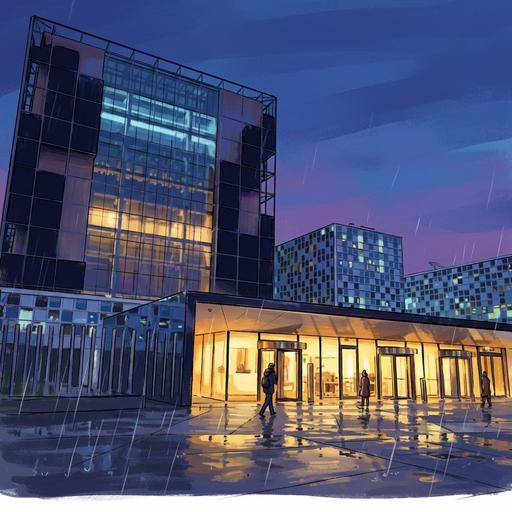
ICC jurisdiction on Duterte to be determined on April 22
The International Criminal Court (ICC) is set to deliver its judgment on April 22 regarding former President Rodrigo Duterte's appeal challenging the court's jurisdiction over his case.
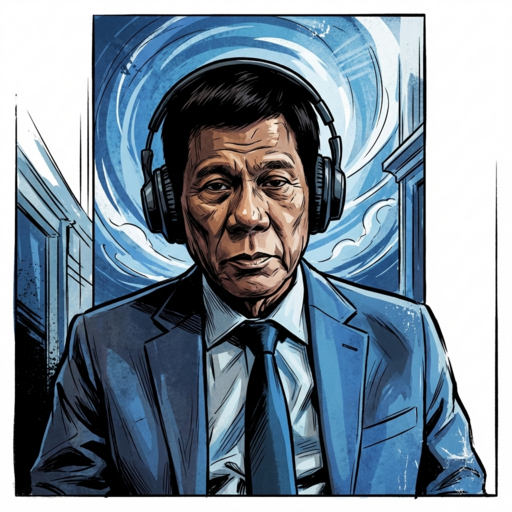
Duterte spends 2nd consecutive birthday in ICC detention
Former President Rodrigo Duterte marked his 81st birthday in detention at The Hague as the International Criminal Court continues deliberations on his 'war on drugs' case.

When the drug war ‘Pieta’ reached The Hague
The iconic "drug war Pieta" photograph, depicting a mother cradling her slain son, was presented at the International Criminal Court during former President Rodrigo Duterte’s confirmation of charges hearing, bringing the brutal reality of the drug war to the global stage.
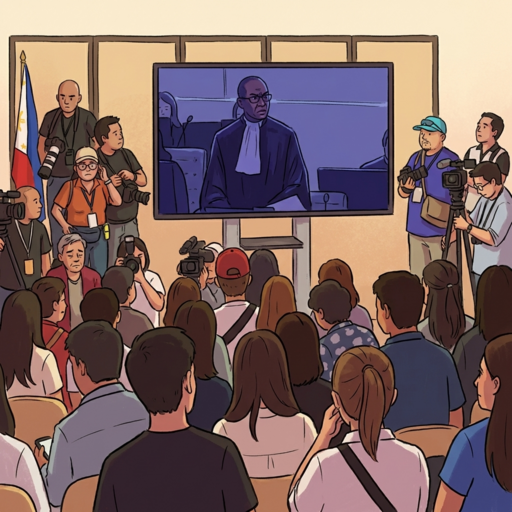
ICC prosecution wants role of Duterte’s PH lawyers clarified
The International Criminal Court (ICC) prosecution is seeking clarification on the involvement of Filipino lawyers in former President Rodrigo Duterte's legal team, following their appearance during his recent confirmation of charges hearing.
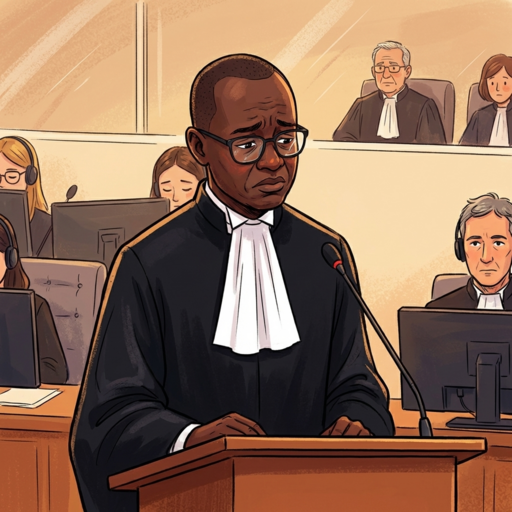
ICC prosecution asks for clarification on Duterte defense team’s members
The International Criminal Court (ICC) prosecution has requested clarification on the members of former President Rodrigo Duterte’s defense team, specifically the Filipino lawyers named during his confirmation of charges hearing, including prominent figures like Salvador Medialdea and Salvador Panelo.