How Do Military Conflicts Disrupt Global Air Travel?
Flights thousands of miles away can be delayed within hours of a military strike. When conflicts escalate, airspace restrictions, safety notices, and airline risk assessments can rapidly disrupt global travel networks. Recent Middle East tensions have highlighted how interconnected the aviation system is — and why a regional conflict can lead to worldwide flight cancellations. Here’s how military conflicts disrupt global air travel and what happens behind the scenes.
When military conflicts escalate, one of the first visible global effects is disruption to air travel. In recent years, clashes in the Middle East and other regions have led to flight cancellations, route diversions, and government travel advisories. As news of strikes or missile exchanges breaks, travelers often search for answers about whether their flights will be affected and how airlines respond to rapidly changing security conditions.
Air travel depends on carefully coordinated international systems that manage airspace safety, routing, insurance, and passenger logistics. When armed conflict occurs, these systems must quickly adjust to minimize risk to civilian aircraft. Even conflicts confined to a specific geographic area can affect flights thousands of miles away due to interconnected route networks and global airline hubs. This explainer outlines what typically happens during a military escalation, how conflicts affect airspace and flight routes, why disruptions extend beyond the immediate conflict zone, and what procedures follow when airspace is restricted.
What happened in the latest Middle East escalation?
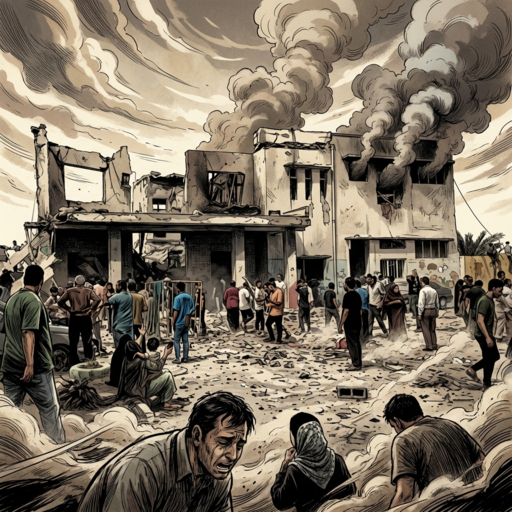
In the latest Middle East escalation, military strikes between regional actors led to heightened security alerts and concerns about missile activity in or near key air corridors. As reports emerged of air defense activity and potential retaliatory actions, aviation authorities began issuing notices to alert airlines and pilots of possible risks.
Such escalations often involve:
- Missile or drone activity: These pose potential hazards to civilian aircraft flying at certain altitudes.
- Air defense activation: Heightened military operations increase uncertainty in shared airspace.
- Government advisories: National aviation authorities may advise airlines to avoid specific regions.
Airlines operating routes through the affected region typically monitor updates from aviation regulators and global safety agencies. Within hours of escalation, some carriers may suspend flights to certain destinations, reroute aircraft around restricted airspace, or delay departures pending further information.
The Middle East is particularly significant for global aviation because it serves as a major transit corridor connecting Europe, Asia, and Africa. As a result, even limited regional disruptions can quickly affect international flight schedules.
How do military conflicts affect airspace and flight routes?
Military conflicts disrupt global air travel primarily through changes to airspace access and risk assessments. The process generally unfolds in structured steps.
1. Issuance of NOTAMs (Notices to Air Missions)
When security risks arise, aviation authorities issue NOTAMs to inform pilots and airlines of hazards such as airspace closures, altitude restrictions, or military operations. These notices are critical for flight planning and compliance with international aviation safety standards.
2. Airspace closures and no-fly zones
Governments may close portions of their airspace to civilian aircraft. In some cases, specific flight levels are restricted to reduce risk. Airlines must reroute around these areas, which can significantly alter travel time and fuel consumption.
3. Airline risk assessments
Airlines maintain internal security teams that analyze conflict developments. Decisions to cancel or reroute flights are based on:
- Threat intelligence reports
- Insurance requirements
- Manufacturer and regulator guidance
- Crew and passenger safety considerations
4. Rerouting and diversion
If a flight is already airborne when a conflict escalates, air traffic control may instruct the aircraft to divert to an alternate airport. For future departures, airlines may redesign routes to avoid affected airspace entirely.
5. Operational ripple effects
Longer flight paths increase fuel costs and may exceed crew duty time limits. Aircraft rotations are disrupted, leading to cascading delays across airline networks.
These mechanisms explain why phrases such as “flight cancellations Middle East conflict” or “airspace closure impact” often trend during military escalations.
Why are global flights affected even outside the conflict zone?
Military conflicts can disrupt flights far beyond the immediate area of hostilities because of the interconnected nature of global aviation.
Transit hubs and connecting routes
Cities such as Dubai, Doha, and Abu Dhabi serve as major international transit hubs. If flights to or from these hubs are suspended or rerouted, connecting passengers worldwide may experience delays or cancellations.
Air corridor dependencies
Many long-haul routes pass through specific corridors optimized for efficiency and fuel economy. When those corridors close, aircraft must take longer alternate routes, affecting schedules across continents.
Insurance and liability considerations
War risk insurance policies may impose additional requirements or premiums for flying over conflict zones. If insurance coverage changes, airlines may suspend operations until compliance is ensured.
Fuel costs and operational planning
Rerouted flights burn more fuel and require revised crew scheduling. These adjustments can strain airline capacity and reduce available flights even in regions not directly involved in the conflict.
As a result, travelers outside the conflict zone may still experience delays, ticket rebooking, or itinerary changes due to global network effects.
What happens next when airspace is disrupted?
After an airspace disruption, aviation authorities, airlines, and governments follow established procedures to restore stability.
Ongoing safety monitoring
Aviation regulators continuously assess security developments. Updated NOTAMs are issued as conditions change.
Gradual reopening of airspace
If risks decrease, restricted areas may reopen in phases. Airlines typically resume service cautiously, often starting with limited schedules.
Passenger assistance and rebooking
- Rebooking onto alternate flights
- Refunds for canceled routes
- Accommodation assistance in diversion cases
Travel advisories
Governments may issue or update travel advisories for affected regions. These advisories guide citizens on safety precautions and travel planning.
In many cases, flight networks stabilize within days, although prolonged conflicts can cause sustained disruption. Airlines may adjust route planning for extended periods if instability continues.
Frequently Asked Questions
Why do airlines cancel flights even if airports are not directly attacked?
Airlines rely on risk assessments that consider missile range, air defense activity, and intelligence reports. Even without direct airport damage, perceived threats can lead to cancellations for safety reasons.
What is a NOTAM and why is it important?
A NOTAM, or Notice to Air Missions, is an official alert issued by aviation authorities to inform pilots and airlines about hazards, airspace restrictions, or operational changes. Compliance with NOTAMs is essential for flight safety.
How long do airspace disruptions usually last?
The duration varies depending on the severity of the conflict. Some disruptions last hours or days, while prolonged instability can lead to extended rerouting or suspended service.
Military conflicts affect global air travel through structured safety mechanisms involving airspace management, airline risk assessment, and international coordination. Understanding these systems helps explain why flight disruptions occur quickly and how the aviation industry responds during periods of geopolitical tension.


Join the discussion
What do you think? Drop your thoughts below.