What Is Shabu? The Methamphetamine Drug Commonly Reported in the Philippines
Shabu is one of the most commonly mentioned drugs in Philippine crime reports and anti-drug enforcement operations. Understanding what shabu is helps explain many of the drug-related arrests and seizures reported across the country.
The term shabu frequently appears in news reports about drug arrests, buy-bust operations, and anti-drug campaigns in the Philippines. Headlines often describe authorities seizing grams or kilograms of shabu during law enforcement operations conducted by agencies such as the Philippine Drug Enforcement Agency (PDEA) and the Philippine National Police (PNP). Because the word is widely used in Philippine news coverage, many readers search online to understand what shabu is and why it is commonly mentioned in drug-related cases.
Shabu refers to a form of methamphetamine hydrochloride, a powerful stimulant drug that affects the central nervous system. The substance is illegal in the Philippines and is regulated under the country’s drug control laws. In many reported drug enforcement cases, shabu is the primary substance involved in seizures and arrests.
Understanding what shabu is and how it is addressed under Philippine law can help readers better interpret reports about drug enforcement operations. Discussions about shabu often involve topics such as drug trafficking networks, buy-bust operations, anti-drug campaigns, and legal penalties under the Comprehensive Dangerous Drugs Act of 2002. These issues explain why the term regularly appears in national and regional news coverage.
What is shabu?
Shabu is the common street name used in the Philippines for methamphetamine hydrochloride, a synthetic stimulant drug that affects the central nervous system. Methamphetamine belongs to a class of substances known as amphetamines, which are chemically produced compounds that stimulate brain activity.
The drug typically appears as crystalline fragments or powder and is sometimes referred to in other countries as “crystal meth” or simply methamphetamine. In Philippine law enforcement reports, the term shabu is used to describe methamphetamine hydrochloride that is distributed or sold illegally.
As a controlled substance, shabu is illegal to manufacture, sell, distribute, possess, or use without authorization under Philippine law. Authorities classify it as a dangerous drug due to its potential effects on the human body and its role in illegal drug markets.
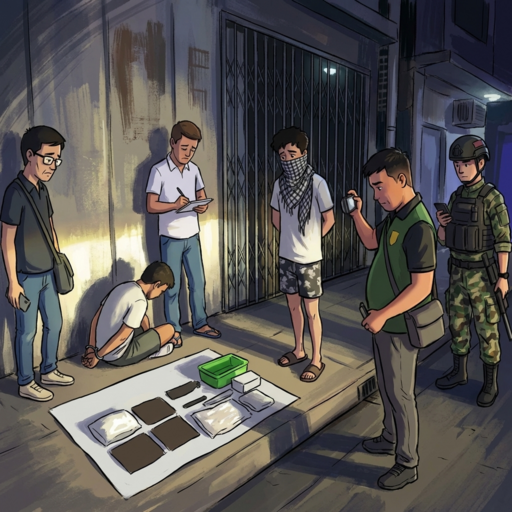
In drug enforcement operations, shabu is often found in small plastic sachets or packaging commonly used for street-level distribution. These sachets are frequently mentioned in reports about seizures during buy-bust operations or police raids.
The presence of shabu in illegal drug markets has made it one of the most commonly referenced substances in Philippine anti-drug enforcement activities.
Why is shabu commonly mentioned in Philippine drug cases?
Shabu is frequently mentioned in Philippine drug cases because it has historically been one of the most widely distributed illegal drugs in the country. Many law enforcement operations reported in the media involve the seizure of methamphetamine hydrochloride from suspects involved in drug sales or trafficking.
Several factors contribute to why shabu often appears in news coverage related to drug enforcement:
- Prevalence in illegal drug markets: Methamphetamine hydrochloride has been widely identified by authorities as a commonly distributed substance in various regions of the Philippines.
- Street-level drug transactions: Many reported drug arrests involve small-scale transactions involving shabu that occur in residential areas or urban communities.
- Drug trafficking networks: Larger investigations sometimes involve trafficking operations that distribute shabu across multiple locations.
- Law enforcement operations: Anti-drug campaigns frequently target suspects believed to be selling or distributing shabu.
Because these factors lead to frequent enforcement operations involving methamphetamine hydrochloride, the term shabu appears regularly in news articles about arrests, drug seizures, and anti-drug enforcement activities.
How do authorities detect and seize shabu in the Philippines?
Authorities in the Philippines use several law enforcement strategies to detect and seize shabu during anti-drug operations. These methods often involve intelligence gathering, surveillance, and coordinated operations between different agencies.
One of the most commonly reported enforcement methods is the buy-bust operation. In this type of operation, undercover officers pose as buyers in order to arrange a drug transaction with a suspected dealer. Once the suspect attempts to sell shabu during the arranged meeting, officers move in to make an arrest and seize the drugs.
Other enforcement strategies include:
- Surveillance and intelligence gathering: Authorities may monitor suspected drug activities based on information from informants, investigations, or previous cases.
- Drug raids: Law enforcement units may conduct raids on locations suspected of storing or distributing illegal drugs.
- Inter-agency operations: Multiple law enforcement agencies may coordinate operations targeting drug trafficking networks.
During these operations, seized substances suspected to be shabu are collected and documented as evidence. The evidence is later examined through laboratory analysis to confirm the presence of methamphetamine hydrochloride.
Documentation of seized drugs, marked money used during buy-bust operations, and reports from officers involved in the operation may be submitted as part of legal proceedings against suspects.
What laws regulate shabu in the Philippines?
Shabu is regulated under the Comprehensive Dangerous Drugs Act of 2002 (Republic Act 9165), which serves as the primary legal framework governing illegal drugs in the Philippines.
The law establishes regulations related to the manufacture, distribution, possession, and use of dangerous drugs, including methamphetamine hydrochloride. It also outlines procedures for law enforcement operations and penalties for individuals found to be violating drug laws.
Under the Comprehensive Dangerous Drugs Act, individuals involved in activities such as selling, transporting, possessing, or distributing shabu may face criminal charges. Law enforcement agencies responsible for implementing the law include the Philippine Drug Enforcement Agency and the Philippine National Police.
The law also sets procedures for handling evidence collected during drug enforcement operations. These procedures include documenting seized substances, maintaining custody of evidence, and submitting materials for laboratory examination.
These regulations form the legal basis for anti-drug operations conducted throughout the Philippines and help define how authorities respond to cases involving methamphetamine hydrochloride.
Frequently Asked Questions
Is shabu the same as methamphetamine?
Yes. Shabu is the common street name used in the Philippines for methamphetamine hydrochloride, a synthetic stimulant drug.
Why does shabu often appear in Philippine news reports?
The term appears frequently because many law enforcement operations reported in the media involve the seizure of methamphetamine hydrochloride during drug enforcement activities.
Which agencies enforce laws related to shabu in the Philippines?
The Philippine Drug Enforcement Agency and the Philippine National Police are among the main law enforcement bodies responsible for investigating and responding to cases involving illegal drugs such as shabu.


Join the discussion
What do you think? Drop your thoughts below.