What Happens During an ICC Confirmation of Charges Hearing?
Understand what the ICC judges are deciding, why this stage matters, and what could happen next in the Duterte case.
A “confirmation of charges” hearing at the International Criminal Court (ICC) is a key step that happens before any trial. It is not a judgment of guilt or innocence. Instead, ICC judges review the Prosecutor’s evidence and decide whether there are sufficient grounds to send the case to trial. Recent ICC proceedings involving former Philippine President Rodrigo Duterte have drawn attention to this stage because it is where the ICC tests whether the charges and supporting evidence meet the legal threshold to move forward.
This explainer walks through what happens before, during, and after a confirmation of charges hearing in simple, step-by-step terms, focusing on the ICC process and legal mechanism.
What Is a Confirmation of Charges Hearing?
The confirmation of charges hearing is conducted by an ICC Pre-Trial Chamber (a panel of judges). The purpose is to decide whether there are substantial grounds to believe that the suspect committed the crimes alleged by the Prosecutor. If the judges confirm the charges, the case moves toward trial. If they do not confirm the charges, the case cannot proceed to trial on those charges.
- Not a trial: The judges do not decide guilt or innocence at this stage.
- Evidence screening: The judges examine whether the Prosecutor’s case is strong enough to proceed.
- Case-shaping function: The decision often narrows or clarifies the charges and facts that would be litigated at trial.
Who Participates in the Hearing?
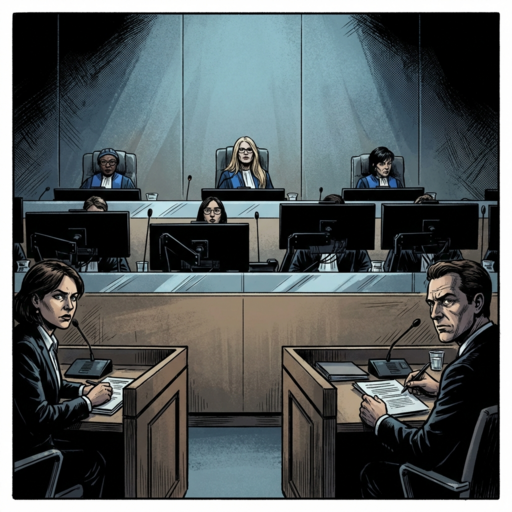
A confirmation of charges hearing typically involves several parties and participants:
- Pre-Trial Chamber judges: They manage the proceedings and decide whether to confirm the charges.
- Office of the Prosecutor (OTP): Presents the charges, evidence, and legal arguments.
- Defense: Challenges the evidence, legal characterizations, and procedural issues.
- Victims’ legal representatives (when permitted): May make submissions to represent victims’ interests, depending on the case and judicial decisions.
- ICC Registry and court staff: Provide administrative support, interpretation, and courtroom management.
Some parts of a hearing may be public, while other parts may be closed or redacted to protect witnesses and victims. Protective measures can include use of pseudonyms, closed sessions, or withholding sensitive details from public transcripts.
Step-by-Step: What Happens Before the Hearing?
Before the confirmation hearing begins, the ICC and the parties complete procedural steps that prepare the case for judicial review.
1) Arrest or Surrender and Initial Appearance
The ICC process typically begins with an arrest warrant or summons to appear. After the suspect is in ICC custody (or voluntarily appears), the ICC holds an initial appearance where the suspect is informed of the alleged crimes and their rights, and the judges set a schedule for the next steps.
2) Disclosure and Evidence Preparation
The Prosecutor prepares the evidence it intends to rely on at the confirmation stage. The Defense receives disclosed materials according to ICC rules and deadlines set by the judges. Disputes can arise over what must be disclosed and when.
At this stage, the court may also rule on protective measures to safeguard witnesses and victims, particularly where there are security risks. Some evidence may be filed confidentially, and public versions of filings may be redacted.
3) Written Filings and Procedural Motions
Before the hearing, the Prosecutor typically submits a document describing the charges and the evidence supporting them. The Defense may respond with legal and factual challenges. The parties may also file procedural motions, such as challenges related to:
- Jurisdiction (whether the ICC has authority over the case)
- Admissibility (whether the case should proceed at the ICC or in national courts)
- Disclosure and protective measures
- Scheduling, format, and scope of the hearing
4) Practical Arrangements and Hearing Schedule
The judges set the hearing dates, allocate time for the Prosecutor and Defense, and decide how proceedings will be conducted (including interpretation and any health or security-related accommodations). These logistical decisions can influence how much material is presented orally versus in writing.
Step-by-Step: What Happens During the Hearing?
While details vary between cases, a confirmation hearing generally follows a predictable structure. The judges control the proceedings and may ask questions throughout.
1) Opening of the Hearing
The judges open the hearing by explaining the purpose of the proceedings and the legal test they will apply. They may clarify the scope of the charges under consideration and confirm procedural rules for speaking time and filings.
2) Prosecutor Presents the Charges and Supporting Evidence
The Prosecutor summarizes:
- The alleged crimes: For example, crimes against humanity such as murder, depending on the case.
- The factual narrative: What is alleged to have happened, including the time period and locations.
- Mode of responsibility: The legal theory of how the suspect is allegedly responsible (for example, contributing to a system of crimes, ordering, or other recognized modes under ICC law).
- Evidence overview: The main categories of evidence supporting each charge.
This is not the same as a full trial presentation. At confirmation, the Prosecutor often relies on written materials, summaries, documents, and references to witness statements rather than calling witnesses for extensive live testimony.
3) Defense Challenges the Prosecutor’s Case
The Defense responds by arguing that the Prosecutor has not met the confirmation threshold. Defense submissions may include:
- Challenges to the reliability or sufficiency of evidence
- Arguments that key links are missing between the suspect and alleged crimes
- Legal arguments about whether the alleged facts fit the legal elements of the crimes
- Procedural objections, including concerns about disclosure or fairness
- Jurisdiction or admissibility challenges, where raised
The Defense’s role at this stage is to prevent weak or overbroad charges from moving forward and to test the Prosecutor’s legal framing.
4) Victims’ Participation (If Authorized)
In some cases, victims may participate through legal representatives who make submissions. This participation is typically focused on victims’ interests within the ICC process rather than making a direct prosecution case. The scope of victims’ participation is controlled by judicial decisions and may be limited.
5) Judges’ Questions and Clarifications
Judges often ask detailed questions to both sides. Common judicial focus areas include:
- Which specific incidents support which charges
- How evidence links the suspect to alleged crimes
- Whether the Prosecutor’s theory of responsibility fits the evidence
- Whether the charges are too broad or need narrowing
- How protective measures affect what can be publicly presented
Judges may request additional written submissions after oral arguments, depending on what issues remain unclear.
6) Public vs. Closed Sessions
Confirmation hearings can include public sessions and closed sessions. Closed sessions are typically used to protect witnesses, victims, or sensitive information. Public transcripts may be redacted, and some filings may remain confidential.
Step-by-Step: What Happens After the Hearing?
After the hearing ends, the judges deliberate and issue a written decision. The timing varies by case complexity and court schedule.
1) Judges Decide Whether to Confirm the Charges
The Pre-Trial Chamber decides charge by charge. Possible outcomes include:
- Charges confirmed: The case moves forward toward trial on those confirmed charges.
- Charges not confirmed: The case cannot proceed to trial on those charges.
- Partial confirmation: Some charges are confirmed and others are not, narrowing the case.
Even when charges are confirmed, the decision can effectively refine the case by limiting the factual allegations and legal characterization that will be carried into trial.
2) Case Moves to Trial Stage (If Charges Are Confirmed)
If charges are confirmed, the case proceeds toward the trial phase. A Trial Chamber is constituted, and additional preparations follow. The confirmed charges form the framework for what will be litigated at trial.
3) If Charges Are Not Confirmed
If charges are not confirmed, the case does not proceed to trial on those charges. Depending on the procedural posture and the court’s decision, there may be limited options for further steps, but the central point is that without confirmed charges, there is no trial on those allegations.
What Happens If Charges Are Confirmed or Rejected?
The confirmation decision is a turning point.
- If charges are confirmed: The case advances toward trial. The confirmed charges define what can be argued at trial, and the case typically becomes more focused.
- If charges are rejected (not confirmed): The case cannot proceed to trial on those rejected charges. The result may end the ICC proceedings on those allegations unless further lawful procedural steps occur.
Importantly, the confirmation stage is about whether the case should go forward, not about issuing a final judgment.
Why This Stage Matters
The confirmation of charges hearing is one of the most important public checkpoints in the ICC process. It is where the Prosecutor’s case is tested early, where the Defense can challenge the framework of the allegations, and where judges decide whether the evidence threshold is met for a trial. For the public, it helps clarify what the ICC is considering, what legal standards apply, and what the next procedural steps may be.
FAQ
- Is the confirmation of charges hearing a trial? No. It is a pre-trial hearing where judges decide whether there are substantial grounds to believe the suspect committed the alleged crimes. It does not determine guilt or innocence.
- Can the charges change after this hearing? Yes. Judges may confirm some charges and reject others, and they may narrow the scope of the case. The confirmed charges shape what will be pursued at trial.
- How long does it take for the judges to issue a decision? Timing varies by case. The judges issue a written decision after deliberation, and the schedule depends on case complexity and court procedures.



Join the discussion
What do you think? Drop your thoughts below.