What Is the Philippine Drug Enforcement Agency (PDEA)?
The Philippine Drug Enforcement Agency, or PDEA, is often mentioned in news reports about drug busts, buy-bust operations, and major anti-drug campaigns. But what exactly is PDEA, and what role does it play in enforcing drug laws in the Philippines?
The Philippine Drug Enforcement Agency (PDEA) frequently appears in news reports about drug arrests, anti-narcotics operations, and seizures of illegal substances in the Philippines. From buy-bust operations in major cities to coordinated drug enforcement campaigns across different regions, PDEA is often identified as a key agency involved in the country’s efforts to combat illegal drugs. As these reports circulate online, many readers search for clear information about what PDEA is, what it does, and how it operates within the Philippine law enforcement system.
PDEA was created to serve as the primary government agency responsible for enforcing drug laws and coordinating anti-drug operations nationwide. It plays a central role in implementing policies under the Comprehensive Dangerous Drugs Act of 2002, the law that governs the control and regulation of illegal drugs in the Philippines. The agency works alongside other law enforcement bodies, including the Philippine National Police (PNP), as well as local government units and specialized task forces.
Understanding how the Philippine Drug Enforcement Agency functions can help explain how drug investigations, buy-bust operations, and enforcement campaigns are carried out across the country. The agency’s responsibilities include intelligence gathering, operational planning, coordination with other authorities, and the handling of evidence related to illegal drug activities.
What is the Philippine Drug Enforcement Agency (PDEA)?
The Philippine Drug Enforcement Agency (PDEA) is the government agency responsible for leading and coordinating anti-drug enforcement efforts in the Philippines. It was established under the Comprehensive Dangerous Drugs Act of 2002 (Republic Act 9165), which reorganized the country’s approach to drug enforcement and assigned PDEA as the central authority for implementing national drug policies.
PDEA operates under the supervision of the Office of the President and serves as the primary institution tasked with enforcing laws related to illegal drugs. Its responsibilities include investigating drug trafficking activities, coordinating law enforcement operations, and supporting prosecutions involving violations of Philippine drug laws.
The agency also works closely with other government institutions involved in anti-drug efforts. These include law enforcement agencies, customs authorities, local government units, and specialized investigative bodies. Through these partnerships, PDEA helps manage a nationwide system designed to monitor, prevent, and respond to drug-related offenses.
In many news reports about drug arrests or drug seizures, PDEA is mentioned either as the lead agency or as part of a joint operation involving other law enforcement units. The agency is widely recognized as the central coordinating body for drug enforcement activities throughout the country.
What does PDEA do in the Philippines?
PDEA performs several key functions related to drug law enforcement and national anti-drug policy implementation. Its work involves investigation, coordination, and operational support in cases involving illegal drugs.
- Drug investigation and intelligence gathering: PDEA collects information about suspected drug trafficking activities. Intelligence may come from informants, surveillance, inter-agency cooperation, or reports from the public.
- Operational coordination: The agency coordinates anti-drug operations involving different law enforcement units. This includes planning raids, buy-bust operations, and other enforcement actions targeting illegal drug networks.
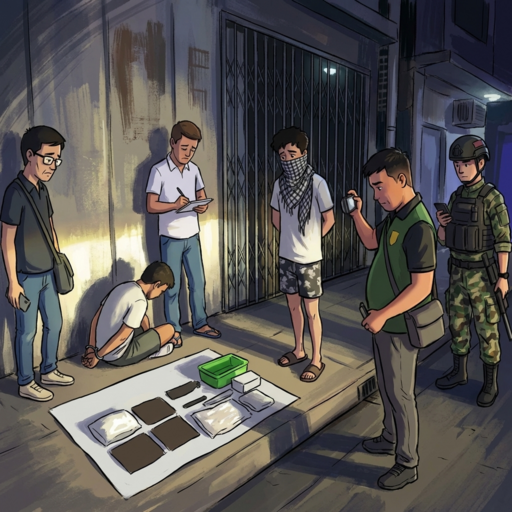
- Drug enforcement operations: PDEA officers participate directly in operations that lead to the arrest of suspects and the seizure of illegal drugs such as shabu and other controlled substances.
- Evidence handling and case preparation: After operations are conducted, PDEA personnel document seized evidence and prepare reports that may be used during criminal investigations and court proceedings.
- Inter-agency collaboration: PDEA often works with other law enforcement organizations, including the Philippine National Police, to carry out joint operations against suspected drug traffickers.
Through these functions, PDEA serves as both an operational agency and a coordinating body that helps align different law enforcement efforts under the country’s national anti-drug strategy.
How does PDEA conduct anti-drug operations?
PDEA conducts anti-drug operations through a structured process that combines intelligence gathering, planning, and coordinated enforcement actions. The goal of these operations is to identify individuals involved in illegal drug activities and gather evidence that can support criminal cases.
The process typically begins with intelligence collection. Officers may gather information about suspected drug distribution networks through surveillance, informants, or cooperation with other law enforcement agencies. This intelligence helps authorities identify potential suspects and locations where illegal drug activities may occur.
Once sufficient information is gathered, operational planning begins. This stage involves assigning roles to officers, preparing equipment, coordinating with other agencies, and determining the timing and location of the operation.
One of the most commonly reported enforcement tactics used by PDEA is the buy-bust operation. In this type of operation, an undercover officer acts as a buyer and arranges a transaction with a suspected drug dealer. When the suspect attempts to sell illegal drugs, law enforcement officers move in to make an arrest and seize the evidence.
PDEA may also conduct raids on locations suspected of storing or distributing illegal drugs. These operations often involve multiple law enforcement units and may target larger trafficking networks.
After an operation is completed, authorities secure the seized drugs and other evidence. Officers prepare documentation and submit reports that may later be used during legal proceedings against suspects.
How is PDEA different from the Philippine National Police (PNP)?
The Philippine Drug Enforcement Agency and the Philippine National Police are both involved in law enforcement activities, but their roles differ in terms of specialization and operational responsibilities.
PDEA is specifically focused on drug law enforcement. Its primary mandate is to enforce laws related to illegal drugs, coordinate anti-drug operations, and manage national drug enforcement strategies.
The Philippine National Police, on the other hand, is the country’s general law enforcement body. The PNP handles a wide range of responsibilities, including maintaining public order, investigating crimes, responding to emergencies, and enforcing various national laws.
Although the two agencies have different mandates, they frequently cooperate during anti-drug operations. In many cases, the PNP provides operational support or manpower while PDEA coordinates the enforcement effort.
This coordination allows both agencies to combine resources and expertise when responding to drug-related crimes. PDEA maintains its role as the central coordinating authority for drug enforcement, while the PNP continues to perform its broader law enforcement duties.
Frequently Asked Questions
When was the Philippine Drug Enforcement Agency created?
PDEA was established in 2002 through the Comprehensive Dangerous Drugs Act (Republic Act 9165), which reorganized the Philippines’ approach to combating illegal drugs.
Is PDEA part of the Philippine National Police?
No. PDEA is a separate government agency focused specifically on drug enforcement, although it often works with the Philippine National Police during joint operations.
What types of drugs does PDEA investigate?
PDEA investigates cases involving various illegal drugs regulated under Philippine law, including shabu (methamphetamine hydrochloride), marijuana, and other controlled substances.


Join the discussion
What do you think? Drop your thoughts below.