West Philippine Sea Tensions Explained: Why Chinese Vessels Are Being Monitored
Reports of dozens of Chinese vessels operating in the West Philippine Sea have raised questions. This guide explains what is happening, why it matters, and what international law says.
Search interest in the West Philippine Sea has increased following reports that the Philippine Navy monitored more than 60 Chinese vessels in the area in February. Many readers are asking what this means, whether it signals a new escalation, and how international law applies. The West Philippine Sea is part of the broader South China Sea, one of the world’s most strategically important maritime regions. It is frequently in the news due to overlapping territorial claims, maritime patrols, and diplomatic exchanges.
This explainer provides a structured overview of the situation. It defines what “West Philippine Sea tensions” refer to, explains why Chinese vessels are operating in the area, examines whether the current developments are new or part of a longer pattern, outlines what international law says about the dispute, and clarifies why the issue matters for Filipinos. The goal is to present factual context and explain the systems and mechanisms involved, without speculation.
What is West Philippine Sea Tensions Explained?
The term West Philippine Sea tensions refers to ongoing maritime disputes and security developments in the portion of the South China Sea that the Philippines designates as the West Philippine Sea. This includes waters within the Philippines’ Exclusive Economic Zone (EEZ) in the South China Sea, particularly areas near features such as Second Thomas Shoal and Scarborough Shoal.
Tensions arise from overlapping territorial and maritime claims. Several countries, including the Philippines, China, Vietnam, Malaysia, and others, assert claims over islands, reefs, and surrounding waters in the region. China’s claim is often illustrated by the so-called “nine-dash line,” which overlaps with the EEZs of other coastal states.
The West Philippine Sea is strategically important for several reasons:
- Maritime trade routes pass through the broader South China Sea.
- Fishing grounds are vital to coastal communities.
- Potential oil and gas reserves may exist beneath the seabed.
- Security and defense considerations influence regional military deployments.
When reports mention “tensions,” they typically refer to vessel monitoring, coast guard activities, diplomatic protests, and statements from defense or foreign affairs officials.
Why are more than 60 Chinese vessels operating in the West Philippine Sea?
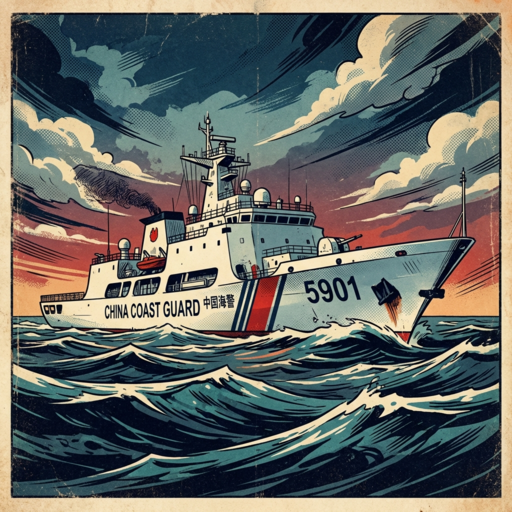
Reports that more than 60 Chinese vessels were monitored in the West Philippine Sea raise questions about presence and purpose. These vessels may include a mix of coast guard ships, naval vessels, and maritime militia or fishing boats. Understanding why they are present requires examining several factors step by step.
1. Assertion of maritime claims
China maintains claims over large portions of the South China Sea. The presence of vessels can be interpreted as part of efforts to assert or reinforce those claims through regular patrols and maritime activity.
2. Maritime law enforcement activities
China’s coast guard conducts patrols in areas it considers under its jurisdiction. These patrols may involve monitoring foreign vessels, escorting fishing fleets, or maintaining a visible presence.
3. Fishing and economic activity
Some vessels may be fishing boats operating in disputed waters. Fishing fleets often operate in large numbers, and their presence can also be linked to state policy in disputed maritime areas.
4. Strategic signaling
The presence of multiple vessels in a specific area can serve as a signal of interest or resolve in a contested zone. Maritime presence is a common feature in territorial disputes worldwide.
5. Response and monitoring by the Philippines
The Philippine Navy and Coast Guard regularly monitor activities within the country’s EEZ. Public reporting of vessel numbers reflects transparency efforts and situational awareness.
It is important to note that vessel presence alone does not automatically indicate armed conflict. In many cases, maritime disputes involve surveillance, patrols, and diplomatic engagement rather than direct confrontation.
Is this a new escalation or part of a long-term pattern?
Monitoring of foreign vessels in the West Philippine Sea is not a new development. Maritime tensions in the South China Sea have been ongoing for decades, with periods of heightened activity and relative calm.
Several historical developments help explain the broader pattern:
- Long-standing territorial claims dating back to the 20th century.
- Increased patrols in disputed waters over the past decade.
- Infrastructure construction on certain maritime features.
- Regular diplomatic protests and public statements.
In recent years, reports of vessel swarms or large concentrations of ships have occurred multiple times. These incidents often lead to diplomatic exchanges but do not necessarily represent a sudden shift in policy.
At the same time, changes in vessel numbers or proximity to specific features can be closely watched by defense analysts and policymakers. The distinction between routine patrols and escalatory behavior depends on context, including location, duration, and accompanying actions.
Overall, current reports appear to fit within a longer-term pattern of maritime competition and assertion of claims, rather than representing an entirely new development.
What does international law say about the West Philippine Sea?
International law governing maritime disputes primarily stems from the United Nations Convention on the Law of the Sea (UNCLOS). Under UNCLOS, coastal states are entitled to an Exclusive Economic Zone extending up to 200 nautical miles from their baselines. Within this EEZ, a state has sovereign rights to explore and exploit natural resources.
In 2013, the Philippines initiated arbitration proceedings under UNCLOS against China. In 2016, an arbitral tribunal issued a ruling that clarified several legal points, including the status of certain maritime features and the interpretation of maritime entitlements. The tribunal concluded that certain expansive claims were not consistent with UNCLOS.
China rejected the ruling and maintains its own position regarding sovereignty and jurisdiction. The arbitration mechanism under UNCLOS does not automatically enforce decisions; implementation depends on state compliance and diplomatic processes.
Procedural next steps in maritime disputes typically include:
- Diplomatic negotiations between concerned states.
- Confidence-building measures to reduce incidents at sea.
- Regional forums such as ASEAN discussions.
- Operational guidelines for coast guard and naval conduct.
International law provides a framework for claims and dispute resolution, but it does not eliminate political and strategic considerations.
Why does this matter for Filipinos?
The West Philippine Sea issue has practical implications for the Philippines beyond diplomatic statements.
1. Fisheries and livelihoods
Many Filipino fishermen rely on waters within the country’s EEZ. Access restrictions or tensions can affect fishing activity and income.
2. Energy security
The region is believed to contain potential oil and natural gas reserves. Maritime stability influences exploration and development plans.
3. National security
Maritime awareness and territorial integrity are core components of national defense policy. Monitoring activities reflect security planning and resource allocation.
4. Foreign policy and alliances
Developments in the West Philippine Sea can influence diplomatic relations, regional cooperation, and defense partnerships.
While maritime disputes often unfold through patrols and statements rather than direct confrontation, they remain significant for economic planning, resource management, and long-term policy decisions.
FAQ
What is the difference between the West Philippine Sea and the South China Sea?
The West Philippine Sea refers to portions of the South China Sea that fall within the Philippines’ EEZ and are designated by the Philippine government under that name.
Does monitoring 60 Chinese vessels mean there is an immediate conflict?
Monitoring indicates surveillance and reporting of vessel presence. It does not automatically mean armed conflict, but it reflects ongoing maritime tensions.
Can the 2016 arbitration ruling be enforced automatically?
International arbitration decisions rely on state compliance and diplomatic processes. There is no automatic global enforcement mechanism.



Join the discussion
What do you think? Drop your thoughts below.