Why Does Disinformation Spread After Major Criminal Killings?
Minutes after news broke of a major criminal killing in Mexico, social media was flooded with claims of retaliation, secret operations, and escalating violence. Some posts were accurate. Many were not. Why do violent events trigger waves of misinformation online? And how do rumors spread faster than verified facts? Understanding the mechanics of disinformation helps explain why panic escalates so quickly after high-profile crime incidents.
When a high-profile criminal figure is killed, online searches often surge within minutes. People look for confirmation, details, videos, and background information. In many cases, however, accurate reporting takes time. That gap between breaking news and verified facts can create conditions where misinformation and disinformation spread rapidly. Recent coverage of a major Mexican drug lord killing illustrates how quickly online panic and false narratives can emerge after a violent event.
Search interest tends to spike around phrases such as “drug lord killed,” “cartel leader death,” and “breaking crime news.” As users turn to social media platforms for updates, unverified claims, recycled footage, and misleading posts can circulate widely. Understanding how disinformation spreads after violent events is important for readers seeking reliable information and for institutions responsible for public safety and digital governance. This explainer outlines what happened in the Mexico case, how disinformation spreads after major criminal killings, why online panic escalates quickly, and how authorities and platforms typically respond.
What happened in the Mexico drug lord case?
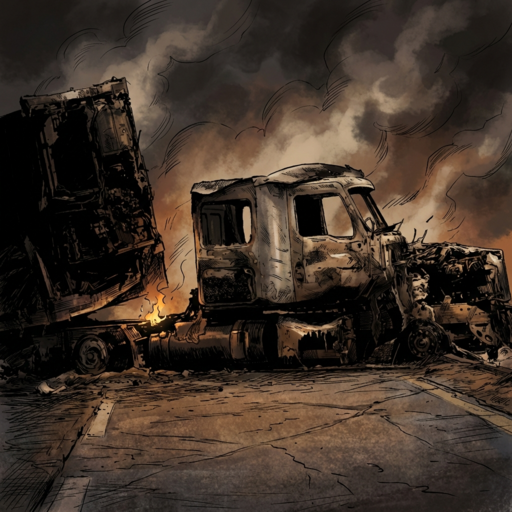
The killing of a high-profile Mexican drug lord generated immediate international attention. News of the incident spread rapidly across television broadcasts, online news outlets, and social media platforms. As official details were still being verified, users began sharing posts claiming additional developments, including alleged retaliatory attacks, government involvement theories, and unconfirmed casualty reports.
In the hours following the announcement, multiple types of questionable content circulated online:
- Recycled videos: Old footage from previous cartel incidents presented as current.
- Unverified screenshots: Messages allegedly from law enforcement sources without authentication.
- Speculative claims: Posts predicting immediate violence in specific regions without official confirmation.
- False casualty numbers: Inflated or contradictory figures shared before authorities released verified data.
While established news organizations updated their reporting as new information became available, many social media posts were shared widely before being corrected or removed. The case became an example frequently cited in discussions about how misinformation spreads during breaking crime events.
How does disinformation spread after violent events?
Disinformation and misinformation spread after major criminal killings through a combination of emotional reactions, platform algorithms, and information gaps. The process typically unfolds in several stages.
1. Initial information vacuum
When a violent event occurs, official confirmation may take time. Law enforcement agencies must verify identities, assess circumstances, and coordinate statements. During this period, there is high public demand for updates but limited confirmed information.
2. Rapid social media amplification
Users begin sharing early reports, eyewitness accounts, and unofficial claims. Social media algorithms prioritize posts that generate engagement such as comments, shares, and reactions. Content that triggers strong emotions, including fear or anger, often receives higher visibility.
3. Visual content increases credibility
Images and videos can create a perception of authenticity, even when they are unrelated to the current event. Recycled footage from past incidents is frequently recirculated, especially when it aligns with trending keywords related to a criminal killing.
4. Narrative framing
Speculative narratives may develop quickly. These can include claims about internal cartel conflicts, political conspiracies, or cross-border implications. Once a narrative gains traction, it can spread across platforms and languages.
5. Cross-platform migration
Posts may move from one platform to another, including messaging apps and private groups, where moderation is more limited. This migration can make corrective efforts more difficult.
The combination of urgency, emotional response, and digital amplification explains why searches for terms like “drug lord killing misinformation” and “disinformation after cartel death” increase during such events.
Why do online panic cycles escalate quickly?
Online panic cycles tend to escalate when violent incidents involve high-profile figures. Several structural and psychological factors contribute to this pattern.
Emotional intensity
Major criminal killings often involve themes of violence, power struggles, and public safety. These themes generate heightened emotional responses, which increase sharing behavior.
Uncertainty and ambiguity
When verified details are limited, uncertainty can lead individuals to rely on speculation or partial information. Ambiguous reports are sometimes interpreted as confirmation of broader fears.
Perceived immediate risk
In cases involving organized crime, users may assume that retaliatory actions are imminent. Even without evidence, such assumptions can circulate quickly.
Algorithmic visibility
Digital platforms use automated systems to rank content. Posts receiving rapid engagement can be surfaced to larger audiences, accelerating the spread of both accurate and inaccurate information.
Echo chambers
Users often interact within networks of like-minded individuals. Information shared within these networks may reinforce existing beliefs, making corrections less visible.
These factors combined create conditions in which online panic cycles can develop within hours of a major criminal killing.
How do authorities and platforms respond?
When misinformation spreads after a high-profile violent event, authorities and digital platforms typically respond through a combination of public communication and content moderation.
Official statements and press briefings
Law enforcement agencies may release verified updates to reduce speculation. Timely communication can help address false claims and clarify confirmed details.
Fact-checking initiatives
Independent fact-checking organizations often review viral claims and publish corrections. These reports may be linked or labeled on participating platforms.
Platform moderation measures
- Removing content that violates platform policies.
- Reducing visibility of posts identified as misleading.
- Applying warning labels to disputed claims.
Public guidance
Authorities may advise the public to rely on official sources and avoid sharing unverified content. Public awareness campaigns can emphasize digital literacy during crisis events.
Despite these efforts, corrective measures often occur after initial misinformation has already reached wide audiences. The speed of online dissemination presents ongoing challenges for both governments and technology companies.
Frequently Asked Questions
What is the difference between misinformation and disinformation?
Misinformation refers to false or inaccurate information shared without intent to deceive. Disinformation involves deliberately misleading or fabricated information shared with the intent to influence or manipulate.
Why do violent events trigger more misinformation?
Violent events generate high emotional reactions and rapid public interest. When verified information is limited, unconfirmed claims can spread quickly to fill the information gap.
How can readers verify breaking news during major criminal killings?
Readers can consult multiple reputable news outlets, review official statements from authorities, and avoid sharing unverified content. Checking publication timestamps and source credibility can also reduce exposure to misleading information.
Major criminal killings often produce immediate global attention. Understanding how disinformation spreads after such events helps explain why online panic can escalate and why verified reporting may take time to emerge.

Join the discussion
What do you think? Drop your thoughts below.