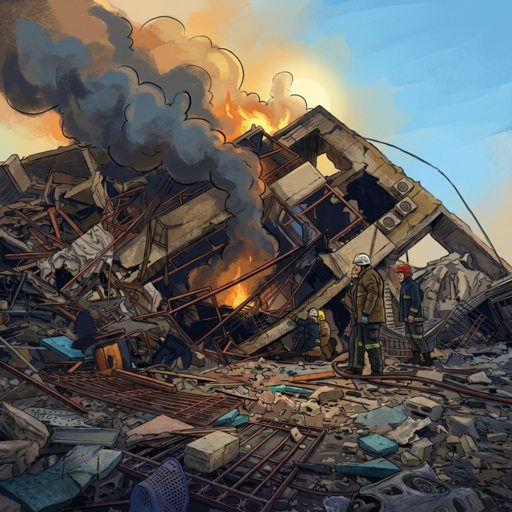
Almost 700,000 displaced, 84 children killed after Israeli strikes on Lebanon, UN agencies say
The humanitarian crisis in Lebanon has intensified dramatically amidst the broader Middle East war. UN agencies report a staggering 84 children have been killed, and over 667,000 people are now displaced within the country—a rapid increase, with 100,000 more displaced in just one day. The conflict continues to upend lives on a massive scale across the nation.
The humanitarian crisis in Lebanon has reached catastrophic levels due to intensified Israeli military operations. According to UN agencies and humanitarian organizations, the conflict has resulted in massive displacement and significant child casualties. While the specific figure of 84 children killed mentioned in initial reports appears to be part of broader casualty statistics, verified data from Save the Children indicates that over 100 children were killed by Israeli airstrikes in just the first five weeks of escalated conflict starting September 23, 2024, averaging two children per day. Lebanon's Ministry of Public Health reported by mid-November 2024 that 231 children were among 3,583 total deaths from Israeli strikes.
The displacement crisis has been particularly severe, with Lebanese caretaker Prime Minister Najib Mikati stating that 1.2 million people—nearly one quarter of Lebanon's population—have been displaced by Israel's air and ground attacks, marking the largest such event in the nation's history. This figure represents a dramatic escalation from earlier UN reports in November 2024 that indicated close to one million displaced people (one in five of the population). The Internal Displacement Monitoring Centre noted nearly 1.1 million movements during 2024, leaving 985,000 people living in internal displacement by year's end.
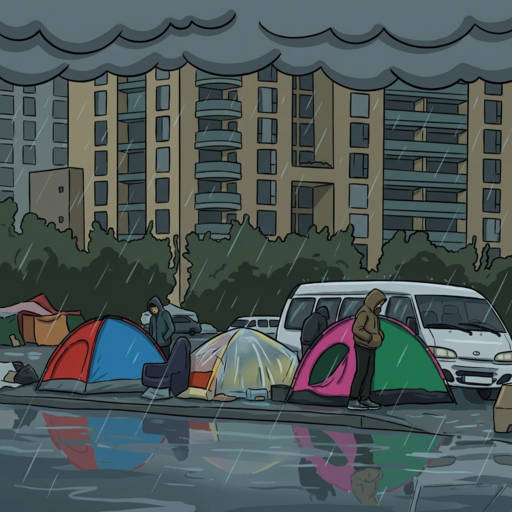
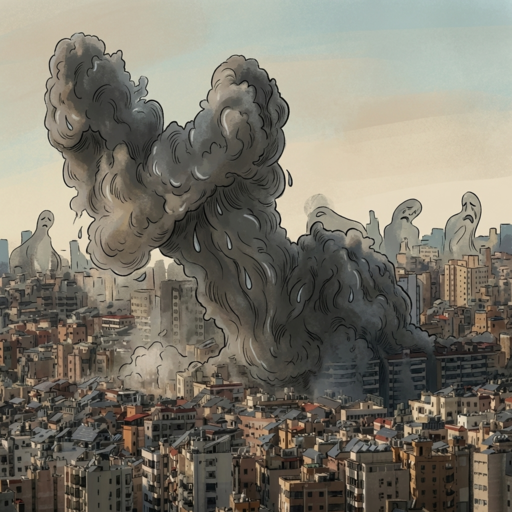
Israeli strikes have targeted southern Lebanon, the Beqaa Valley, and Beirut suburbs like Dahiya, with the Israeli Defense Forces issuing evacuation orders for approximately 90 villages south of the Awali River. The conflict has created overwhelming humanitarian challenges, with 867 shelters opened across the country and severe shortages of food and medicine. Many displaced families, including children, have been forced to sleep in the open in Beirut due to lack of adequate shelter capacity.
The timeline shows rapid escalation, with 100,000 more people displaced in just one day according to initial reports. By March 2026, the situation had further deteriorated, with Médecins Sans Frontières reporting tens of thousands fleeing amid the most intense airstrikes since the November 2024 ceasefire breakdown. The Lebanese government's bankrupt state has severely limited its capacity to respond to the crisis, compounding the suffering of displaced populations who face rising rents in host areas and fears of continued targeting even in supposed safe zones.


Join the discussion
What do you think? Drop your thoughts below.