
Did Middle East conflict lead to trash bag theft in Korea?
A bizarre incident in Seoul shows a woman stealing a garbage bag, not valuables, from a disposal area. This unusual theft is being linked to panic over an anticipated shortage of petroleum-related materials, fueled by the Middle East conflict, highlighting a strange ripple effect of global events on everyday life.
A woman in Seoul, South Korea was recently caught on video stealing a garbage bag from a residential waste disposal area, an unusual theft that has been linked to growing panic over potential shortages of petroleum-related materials due to the Middle East conflict. The incident occurred on a Thursday when the unidentified woman emptied a bag of refuse onto the ground and took the bag itself, as reported by JTBC and covered by Inquirer Global Nation. South Korea operates under a strict waste management system where specific district-issued trash bags are required for non-recyclable waste collection under the Waste Control Act, and ordinary plastic bags are not collected.
The theft reflects broader consumer concerns about anticipated shortages of naphtha, a petroleum byproduct essential for plastic production, caused by escalating Middle East tensions that could disrupt supplies through critical shipping routes like the Strait of Hormuz. These fears have led to hoarding of trash bags across South Korea, with residents concerned about potential disruptions to plastic production. In response to these supply chain concerns, the Korean government has imposed naphtha export restrictions to secure domestic supplies and prevent shortages.

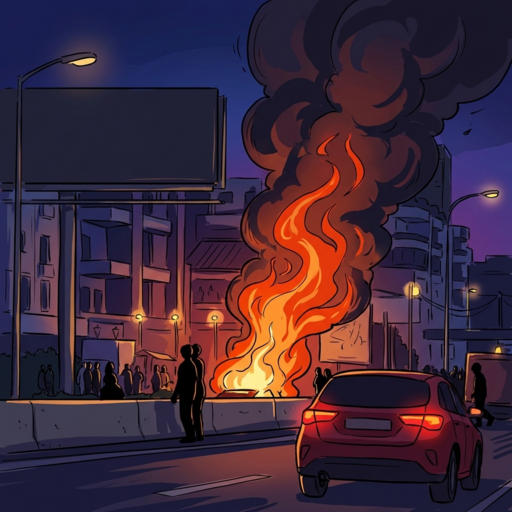
While the specific incident involved one woman stealing a single garbage bag, it represents a larger trend of unusual thefts related to essential household items during times of perceived scarcity. The video footage of the theft circulated widely, highlighting how global geopolitical events can create unexpected ripple effects on everyday life in distant countries. No official statements from Korean authorities specifically addressing this individual incident were found in available reports, though government measures to address the broader supply chain issues have been implemented.
The consequences of this incident extend beyond the single theft, as it has drawn attention to how international conflicts can impact domestic consumer behavior and create shortages of seemingly mundane items. The case also illustrates the interconnected nature of global supply chains, where tensions in oil-producing regions can affect plastic production worldwide, leading to unusual consumer responses like the hoarding and theft of garbage bags in countries far removed from the original conflict.


Join the discussion
What do you think? Drop your thoughts below.