
Global Economy Faces 'Major Threat' from Middle East Crisis; PH Prepares for 'Price Disruption'
Nagbabala ang International Energy Agency (IEA) na ang pandaigdigang ekonomiya ay nahaharap sa "major threat" mula sa krisis sa enerhiya na dulot ng digmaan sa Middle East, na walang bansa ang "immune." Sa Pilipinas, sinabi ng Palasyo na "price disruption" pa lamang ang nararanasan, hindi pa oil crisis, habang bumubuo ang Senado ng ad hoc committee para magkaroon ng krisis plan sa loob ng dalawang linggo.
The International Energy Agency (IEA) has issued a dire warning that the Middle East conflict poses the greatest energy threat in history to the global economy, with Executive Director Fatih Birol stating policymakers and markets are underestimating the crisis severity. The IEA projects global oil supply will drop by 8 million barrels per day in March due to the blocking of the Strait of Hormuz since February 28, representing the largest supply disruption in oil market history. Oil prices have surged above $100 per barrel, with potential to reach $200 per barrel, threatening global economic stability.
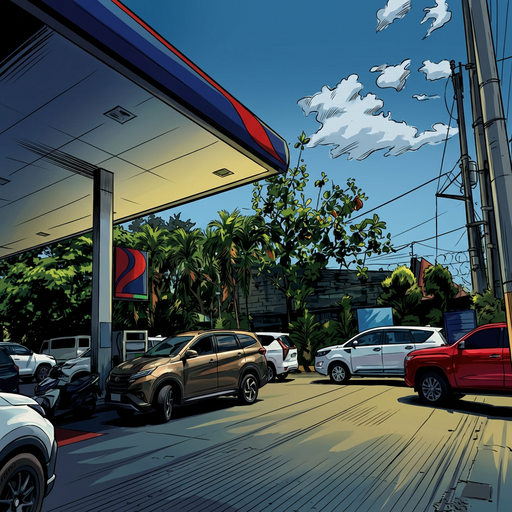
In the Philippines, the situation is particularly acute as the country is among the first Asian economies to feel supply disruption effects due to its heavy dependence on fuel imports. Department of Energy Secretary Sharon Garin warned that the worst-case scenario is depleted fuel supply rather than just price increases, noting the country has 50-60 days of fuel reserves. The Philippines faces severe risks with gasoline prices rising by P7-13/liter, diesel by P17.50-24.25/liter, and kerosene by P32-38.50/liter, with further hikes expected.
The Philippine Senate formed an ad-hoc committee called PROTECT (Proactive Response and Oversight for Timely and Effective Crisis Strategy) on March 18, 2026, chaired by Sen. Win Gatchalian, to fast-track a national contingency plan against the oil crisis. The committee aims to submit recommendations to the Senate and President within two weeks. Meanwhile, the Senate is prioritizing emergency powers for President Ferdinand Marcos Jr. to suspend petroleum taxes if crude oil exceeds $80 per barrel, with proposals expedited before the March 21 recess.
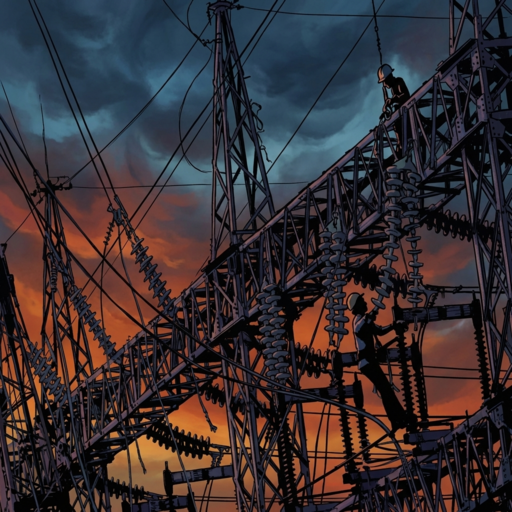
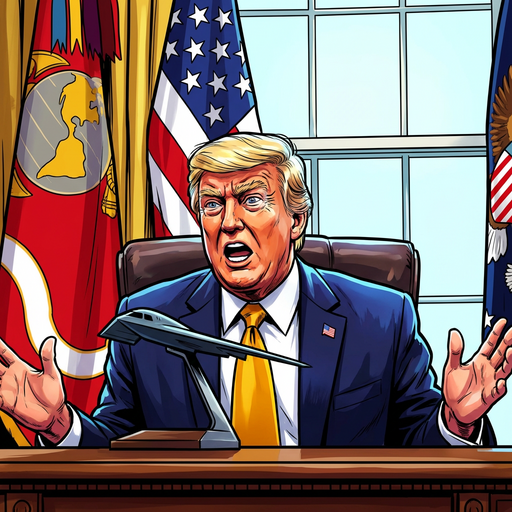
President Marcos Jr. has ordered the creation of a crisis committee to ensure stable oil supply and protect consumers from Middle East conflict impacts. The government is implementing fuel subsidies for the transport sector, while NEDA Secretary Arsenio Balisacan warned inflation could reach 7.5% if crude hits $140/barrel. The Philippine peso hit a record low of P59.735:$1, worsening import costs, and electricity rates are expected to rise higher than usual during the hot season, with off-grid areas serving 1.2 million households at risk of 8-16 hour blackouts if subsidies deplete.

Join the discussion
What do you think? Drop your thoughts below.