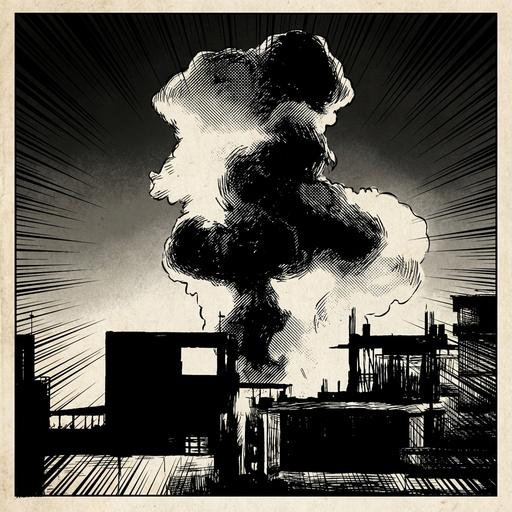
Heavy attacks hit Tehran as Israel says war in 'new phase'
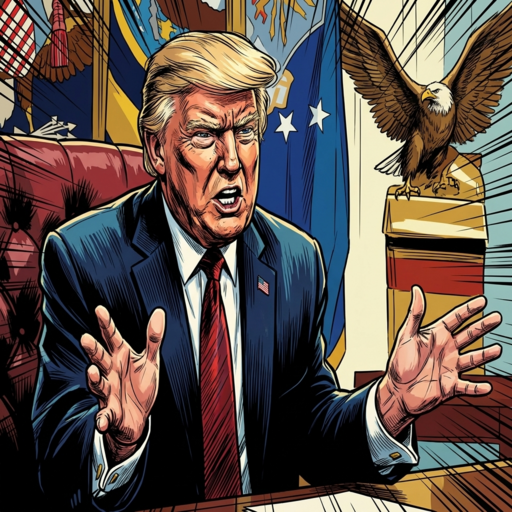
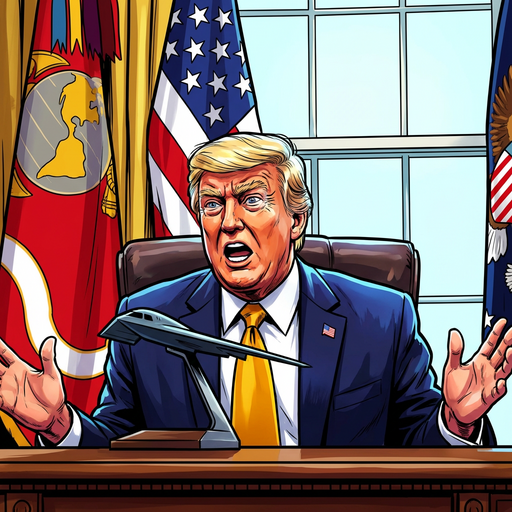
Tehran has been hit by heavy attacks, with Israel declaring a 'new phase' in its war against Iran, joined by the United States. The conflict, now in its seventh day, is escalating regionally, affecting neighboring countries like Qatar and Lebanon. US President Donald Trump, while stating no ground troops are currently considered, hinted at future involvement in Iran's political landscape.
The 2026 Iran war began on February 28, 2026, with coordinated US-Israeli strikes on Iranian nuclear, missile, political, and military targets. Israel has conducted multiple waves of heavy airstrikes on Tehran, including an 11th wave on March 5, 2026, targeting Revolutionary Guard command centers, ballistic missile arrays, Basij militia sites, and air defenses. IDF Chief of Staff Lt. Gen. Eyal Zamir declared a 'new phase' in the conflict, stating Israel would further dismantle Iran's regime and military capabilities. The Israeli Air Force has struck over 600 regime targets using about 2,500 munitions, destroying approximately 80% of Iran's air defenses and 60% of missile launchers.
Iran retaliated with missile and drone attacks on Israel, US bases, and Gulf states including Qatar and the United Arab Emirates. Iran closed the Strait of Hormuz, stranding hundreds of ships and disrupting 20% of global oil supplies. The conflict has expanded regionally, with Hezbollah joining attacks on northern Israel, prompting Israeli strikes on Beirut, Lebanon. Iranian Supreme Leader Ayatollah Ali Khamenei was reported killed during the conflict, though details remain unconfirmed.
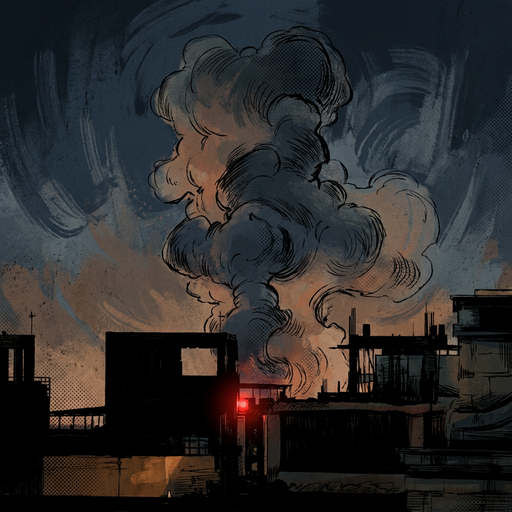
Philippine news sources including Philstar, ABS-CBN, and the Philippine Daily Inquirer have extensively covered the conflict's impact on Filipinos. One Filipino caregiver, Mary Anne Asuncion (32, from Pampanga), was killed by shrapnel in Tel Aviv on February 28. Approximately 80 OFWs in Iran remain safe, but over 1,400 Filipinos have requested repatriation from the Middle East amid airspace closures that stranded 1,000+ at airports. The Department of Migrant Workers-OWWA hotline has handled 92 inquiries.
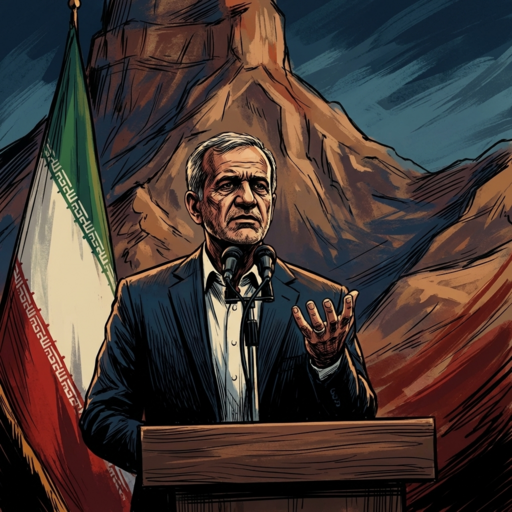
President Ferdinand Marcos Jr. called for a ceasefire and convened his Cabinet for repatriation plans. The Philippines has joined global calls for de-escalation while rejecting claims that Enhanced Defense Cooperation Agreement (EDCA) bases are involved in the conflict. The government is preparing emergency measures to address potential oil price spikes affecting the Philippine economy, with over 2 million OFWs in the region potentially impacted by the escalating hostilities.
Join the discussion
What do you think? Drop your thoughts below.