ICC Hearing: Duterte's defense clarifies 'neutralization' means arrest, not killing; questions killings under Marcos admin
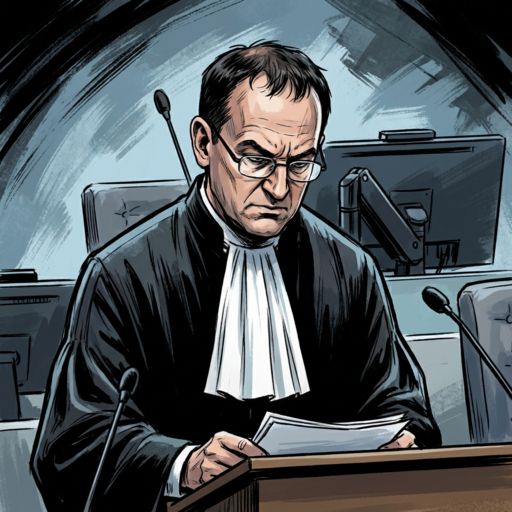
During the third day of the International Criminal Court's confirmation of charges hearing against former President Rodrigo Duterte, his lead counsel, Nicholas Kaufman, argued that "neutralization" in the war on drugs meant "arrest or incarceration," not killing. Kaufman also questioned the prosecution's intent to investigate killings that allegedly persisted under President Ferdinand Marcos Jr.'s administration. The court also clarified that redactions in the live broadcast were due to the defense team's disclosure of confidential information.
During the third day of the International Criminal Court's confirmation of charges hearing on February 26, 2026, former Philippine President Rodrigo Duterte's lead counsel Nicholas Kaufman argued that the term 'neutralization' in the context of Duterte's war on drugs meant 'arrest or incarceration,' not killing. Kaufman cited police manuals and statements from former Philippine National Police Chief Ronald 'Bato' dela Rosa, who testified on October 28, 2024, that neutralization per PNP operational procedures meant actions to 'contain or halt the unlawful aggression of the offender,' including arrest, capture, surrender, or subduing suspects, always aligned with use of force continuum and proportionality. Kaufman also highlighted that prosecution witnesses (P1158, P117, P1050, P1174) confirmed 'neutralize' meant legal arrest or incarceration, with lethal force justified only if a suspect threatened an officer's life.
The hearing addresses three counts of crimes against humanity (murder and attempted murder) stemming from Duterte's drug war, which government data links to over 6,000 deaths, though human rights groups estimate over 30,000. Kaufman questioned the prosecution's intent to investigate killings that allegedly persisted under President Ferdinand Marcos Jr.'s administration, though no Philippine sources in the search results directly addressed this specific point. The ICC Office of the Prosecutor has charged Duterte with these crimes, and Kaufman called the prosecution evidence 'wholly insufficient,' hoping for dismissal.
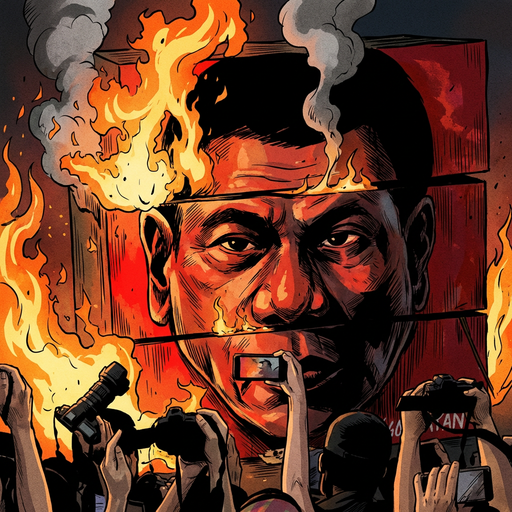

The court also clarified that redactions in the live broadcast were due to the defense team's disclosure of confidential information, specifically identifying details about victims and witnesses such as positions and nicknames. The ICC approved these redactions despite opposition, limiting them to protective measures. The hearing before ICC Pre-Trial Chamber I is part of the confirmation of charges process, with the final hearing day scheduled for February 27, 2026, featuring closing statements from all parties and a review of Duterte's detention status.
Kaufman emphasized that the Philippine Supreme Court has never ruled the drug war unconstitutional, invalidated related circulars, or interpreted 'neutralization' as killing, noting the term predates Duterte's administration. The defense's argument centers on challenging the prosecution's interpretation of 'neutralization' as implying killing, instead presenting it as standard police terminology for lawful apprehension procedures. The hearing continues to examine evidence related to Duterte's anti-drug campaign, including his 'narco-list' and supportive speeches from his administration.
Join the discussion
What do you think? Drop your thoughts below.