
Iran Marks Eid al-Fitr Amid Reports of Nuclear Plant Strike; US Eases Sanctions as Trump Considers Winding Down War
Iranians observed Eid al-Fitr prayers as Tehran reported a strike on its nuclear enrichment plant. Concurrently, US President Donald Trump is considering "winding down" military operations against Iran, and the US has temporarily eased sanctions on Iranian oil shipments amidst a global supply crisis.
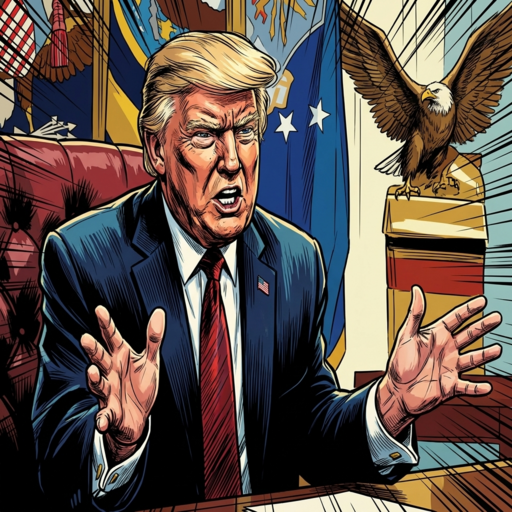
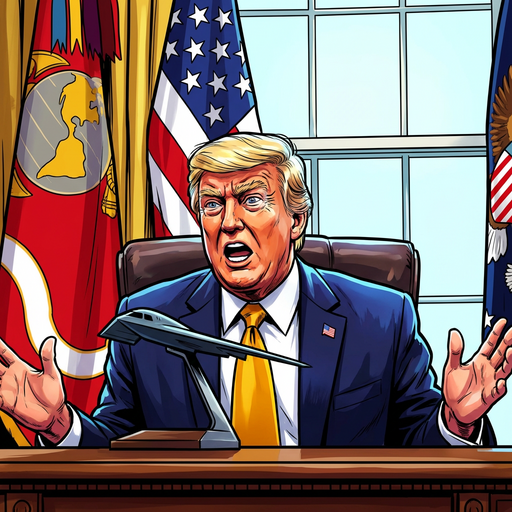
On March 20-21, 2026, President Donald Trump stated he was considering "winding down" military operations against Iran, posting on Truth Social that the U.S. was "getting very close to meeting our objectives" after three weeks of conflict. White House Press Secretary Karoline Leavitt noted the operation had reached week 3 with Iran's regime being "crippled" and their threat capabilities "significantly weakened." Concurrently, the U.S. Treasury temporarily eased sanctions on Iranian crude oil already loaded onto vessels before March 20, with authorization lasting through April 19, expected to bring approximately 140 million barrels to global markets. Treasury Secretary Scott Bessent argued this relief would harm Iran's war objectives by keeping oil prices lower.
Iran reported a strike on its Natanz nuclear enrichment facility during this period, with no radiation leak confirmed. This followed earlier Israeli strikes on Iran's Parchin military complex (Taleghan 2 site) linked to past nuclear weapons development. The conflict began on February 28, 2026, with U.S. and Israeli airstrikes that killed Iran's Supreme Leader Ayatollah Ali Khamenei, prompting Iranian missile retaliation against Bahrain, Jordan, Qatar, Kuwait, and UAE, resulting in six U.S. deaths.
Philippine news sources reported on these developments, with GMA Network covering U.S. sanctions expansion on February 26, 2026, targeting over 30 entities supporting Iran's oil sales and weapons programs. Manila Bulletin reported failed indirect U.S.-Iran nuclear talks in Geneva on February 27, 2026. Philippine President Ferdinand Marcos Jr. ordered the DFA and DMW on February 28, 2026, to locate and ensure the safety of Filipino citizens in Iran. AFP spokesperson Rear Adm. Roy Vincent Trinidad assured Filipinos on March 4, 2026, that Iran's missiles (maximum range ~2,000 km) cannot reach the Philippines (7,500 km away), stating there were no credible threats to EDCA sites.
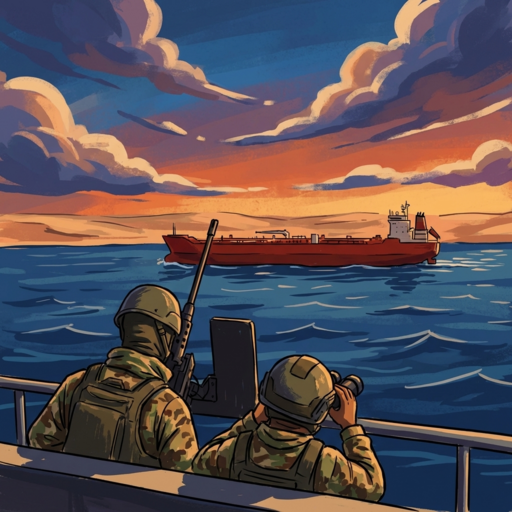
The U.S. also eased sanctions on Venezuelan oil and waived Jones Act requirements for 60 days to allow non-U.S.-flagged vessels to transport goods between U.S. ports, helping mitigate oil market disruptions. Trump clarified he was not seeking a ceasefire, stating "I think we have won. I don't want to do a ceasefire," and indicated other nations would need to take responsibility for securing the Strait of Hormuz shipping lane, which Iran has effectively blockaded.
Join the discussion
What do you think? Drop your thoughts below.