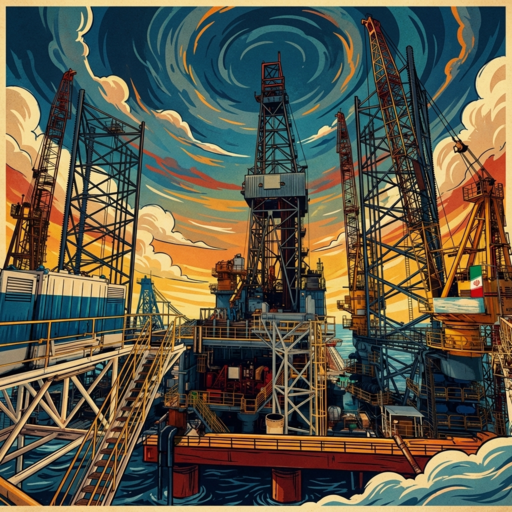
Iran"s huge Gulf gas field is struck in major escalation
Iran's massive Pars gas field in the Gulf was hit in what is reported as the first strike on Iranian energy infrastructure during the US-Israeli war, signaling a significant escalation.
On March 18, 2026, Israel conducted airstrikes on Iran's massive South Pars gas field facilities in Asaluyeh (Bushehr province) and related petrochemical sites, marking the first direct attack on Iranian natural gas infrastructure during the ongoing US-Israeli war. The strikes targeted gas processing plants handling sour gas from phases 3-6 of the offshore South Pars field—the world's largest natural gas reserve shared with Qatar—which supplies 70-75% of Iran's gas production and key feedstocks for petrochemicals and gasoline. Iranian state media reported direct hits on storage tanks and refineries, with facilities taken offline to contain fires, though the full extent of damage remains unclear.
The attack was coordinated with U.S. approval under the Trump administration, representing a significant policy shift. A senior Israeli official confirmed the operation to Axios, emphasizing disruption of Iran's energy hub. Iranian officials responded by shutting down several phases of the South Pars field to prevent fire spread and warned Saudi Arabia, Qatar, and the UAE to evacuate their energy facilities in the Gulf region. Qatar condemned the attacks as "dangerous and irresponsible."
Immediate consequences included the halt of Iranian gas flows to Iraq, causing energy shortages in the neighboring country. Global markets reacted with a 5% spike in Dutch TTF gas prices and ICE Brent crude rising to approximately $105 per barrel, while cryptocurrency markets fell sharply with Bitcoin dropping below $73,000 due to risk aversion. The strike occurred amid a broader US-Israel campaign against Iranian energy infrastructure, following earlier attacks on Tehran fuel depots, Mehrabad Airport aviation fuel, and other storage facilities.
Environmental concerns emerged with WHO warnings of toxic "black rain" from prior oil strikes and Iran's UN envoy citing health threats to civilians from pollutants. The attack represents a major escalation in the conflict, now in its third week, with Iranian officials vowing retaliation. The situation continues to develop as repeated hits on Iran's energy infrastructure threaten up to 3.4 million barrels per day of crude output and pose significant risks to regional energy security and global markets.


Join the discussion
What do you think? Drop your thoughts below.