Iran's IRGC: Shipping to and from ports of US-Israeli allies is prohibited
Iran's Islamic Revolutionary Guard Corps (IRGC) has issued a severe warning, declaring that shipping to and from ports of "allies and supporters of the Israeli-American enemies" is now prohibited. This move, reported by Iranian state media, signals a dramatic escalation in the ongoing Middle East conflict with potential global economic repercussions.
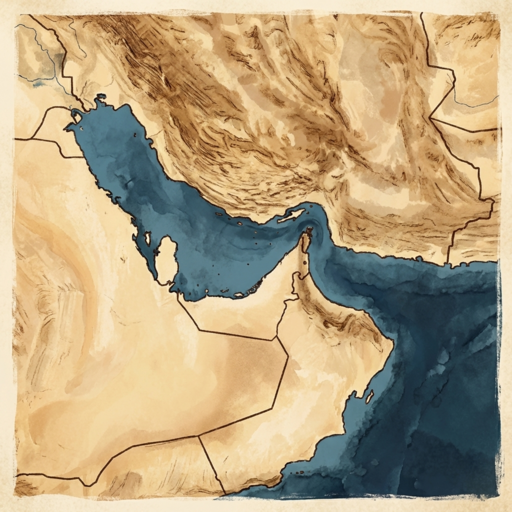
Iran's Islamic Revolutionary Guard Corps (IRGC) issued a severe warning on March 27, 2026, declaring that shipping to and from ports of "allies and supporters of the Israeli-American enemies" is prohibited. The IRGC specifically announced restrictions targeting vessels linked to the US, Israel, or their allies transiting the Strait of Hormuz, warning of "harsh" or "strict measures" against such traffic. Iranian naval forces reportedly intercepted three container ships on March 27, forcing them to turn back, though Iran maintains the strait remains open overall for non-hostile vessels that coordinate with Tehran.
The IRGC statement explicitly bars US- and Israel-linked ships from the strategic waterway, with emerging reports suggesting a policy requiring coordination or a $2 million toll for permitted transits. This dramatic escalation comes amid ongoing Middle East tensions and follows US President Donald Trump's remarks about reopening the strait. International Maritime Organization Secretary-General Arsenio Dominguez warned against military reopening efforts, citing ongoing drone and missile risks, while noting plans for talks on establishing a humanitarian corridor.


Philippine news sources like ABS-CBN have not reported specific details about the IRGC shipping ban but have covered the broader economic impacts of escalating US-Iran tensions. On March 24, ABS-CBN's Dateline Philippines reported Iran denying US peace talks amid surging global oil prices, with Philippine government fuel subsidies and transport protests in Cebu. By March 27, ANC reported that President Trump extended his deadline to strike Iranian energy plants while claiming talks with Tehran were progressing, and President Ferdinand Marcos Jr. assured sufficient crude oil supply until end-June.
The economic consequences are already being felt globally, with the Philippine peso hitting a record low of P60.55 against the US dollar on March 27, driven by Middle East conflict and increased dollar demand. While no full closure of the Strait of Hormuz has occurred, restrictions have significantly reduced oil tanker traffic, creating potential global economic repercussions as approximately 20% of the world's oil passes through this critical chokepoint. The situation remains fluid with ongoing diplomatic efforts to manage the crisis.
Join the discussion
What do you think? Drop your thoughts below.