
Iran: War could destroy global economy, Trump vows to 'finish' job
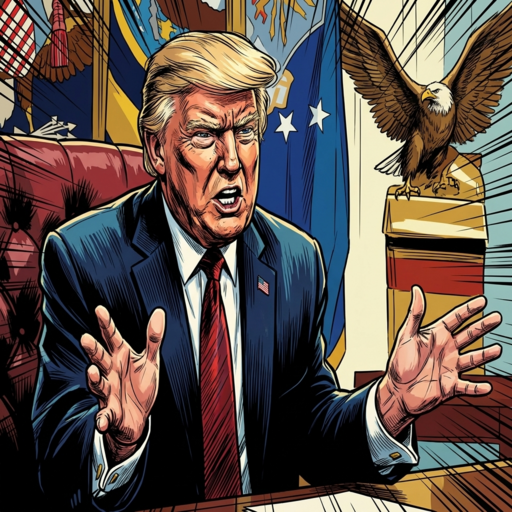
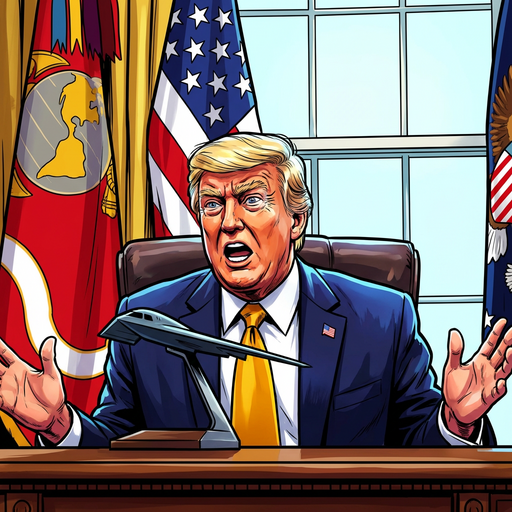
Iran issued a stark warning that a prolonged conflict with the United States and Israel could decimate the global economy, especially with fighting intensifying around the crucial Strait of Hormuz. US President Donald Trump, however, vowed to "finish the job," asserting little was left for American forces to strike, despite ongoing concerns over shifting strategies and the precariousness of the 12-day-old conflict. Oil prices have surged, prompting emergency global reserve releases. Earlier reports also indicated two foreign tankers carrying Iraqi fuel oil caught fire after attacks in territorial waters, adding to the regional instability.
The Iran conflict crisis began on February 28, 2026, when the United States and Israel launched military strikes against Iran. In response, Iran retaliated against Israeli targets and U.S. regional bases. Iranian media claimed the Strait of Hormuz was "effectively closed," though no official Iranian statement confirmed a full closure. The UK Maritime Trade Operations (UKMTO) issued warnings about high military activity, electronic interference, and disruptions to Automatic Identification Systems (AIS) in the area.
On March 4, 2026, IRGC Navy Deputy Commander Mohammad Ekberzade announced through Fars News Agency that Iran had taken full control of the Strait of Hormuz, declaring a "transit ban" and wartime conditions. He warned vessels of risks from rockets or drones and confirmed the destruction of more than ten petroleum tankers. The following day, an IRGC commander reiterated the strait closure, threatening to burn any ships attempting passage. The Strait of Hormuz handles approximately 25% of global maritime oil, 20% of LNG, 33% of fertilizers, and key routes for aluminum and sugar.


On March 6, 2026, President Donald Trump announced on Truth Social that the U.S. would provide political risk guarantees for energy and other vessels in the Gulf, with Navy escorts through the strait if needed. The U.S. targeted Iranian naval assets to reduce their control over the strategic waterway. While no sources explicitly reference Trump's "finish the job" phrase, U.S. strikes aimed to diminish IRGC naval capabilities as part of ongoing military operations.
The economic consequences have been severe, with oil and gas prices surging globally. Analysts predict U.S. average gasoline prices could reach $3.25–$3.50 per gallon, with rises in jet fuel affecting travel costs. The disruptions also impact broader sectors including clothing, cookware, and medical supplies. The conflict has created what economists describe as a "nightmare scenario" for the world economy, with 20 million barrels of oil daily flowing through the Strait of Hormuz and no spare global capacity to replace disrupted supplies.
As of early March 2026, shipping through the Strait of Hormuz has ground to a halt due to attack risks, though Iran maintains it has not formally closed the strait but bars vessels linked to the United States or Israel. Major shipping companies like Maersk have suspended crossings, and insurers have excluded Gulf coverage. The prolonged conflict threatens to spike oil prices to unprecedented levels, hitting energy-dependent economies hardest and potentially adding 0.8% to global inflation if disruptions persist.
Join the discussion
What do you think? Drop your thoughts below.