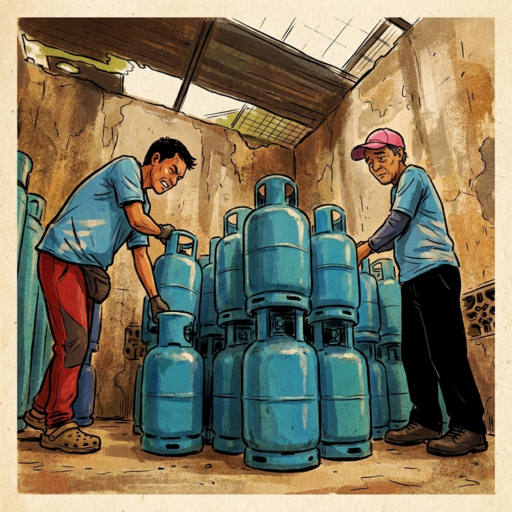
LPG Prices May Hit Record P30/kg Spike; Sorsogon Declares State of Calamity
Filipino households face a potential record-high P30/kg spike in LPG prices due to the ongoing Middle East conflict. The severe economic fallout has already led Sorsogon province to declare a state of calamity, as residents grapple with the relentless increase in fuel and basic commodity costs.
The Philippines is facing an unprecedented LPG price crisis with projections of a record P30 per kilogram increase, the largest price hike in the country's history. According to the LPG Marketers Association (LPGMA), this increase will be implemented in two phases: a P20 per kilogram increase starting Saturday, March 28, 2026, followed by an additional P10 per kilogram increase by April 1, 2026. For a standard 11-kilogram LPG cylinder, this translates to an additional P330, potentially pushing prices to as high as P1,465 to P1,500 per cylinder from the current Metro Manila range of P825 to P1,135.
Arnel Ty, founder of the LPG Marketers Association Inc. and president of Regasco, stated that this unprecedented increase is necessary to accommodate climbing international prices driven by the ongoing Middle East conflict, which has significantly increased shipping expenses and contract costs. Despite the dramatic price surge, industry leaders assure there is no LPG shortage in the Philippines, though Department of Energy data indicates the country's LPG reserves would last for only 23 days.
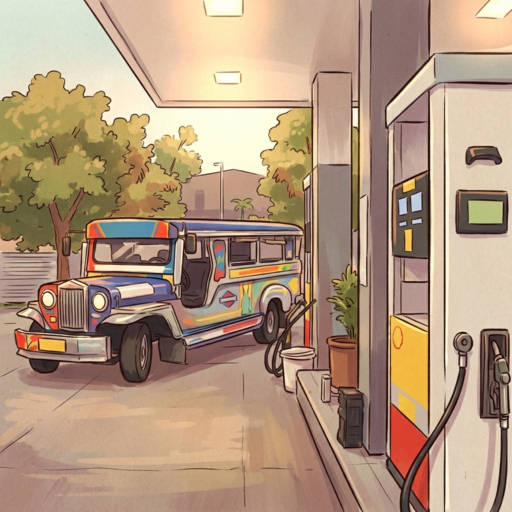
At the national level, President Ferdinand Marcos Jr. has declared a state of national energy emergency through Executive Order No. 110 and Proclamation No. 155 to address fuel supply disruptions from the Middle East conflict that began on February 28, 2026. The government has activated the UPLIFT package for transport, agriculture, MSMEs, and energy stability. Domestic fuel stocks show concerning levels with only 53 days for gasoline, 46 days for diesel, approximately 100 days for kerosene, 39 days for jet fuel, and just 24 days for LPG - the lowest among major products.
In response to the crisis, Vice President Sara Duterte announced cost-cutting measures at the Office of the Vice President to redirect funds for public aid through 2026. Malacañang is forming a "crisis committee" for food and fuel security, with negotiations underway for fuel imports from Russia (100,000 tonnes of crude incoming), Japan, Singapore, and South Korea. The Senate has formed the PROTECT committee for contingency planning, including scenarios of $200/barrel oil and prolonged war, while anticipating legislation to suspend or reduce fuel excise taxes.
While specific details about Sorsogon province declaring a state of calamity are not confirmed in available sources, the broader economic impact is severe across the Philippines. The Department of Energy has published price monitoring for 11kg household LPG in Southern Luzon, Region 5 (which includes Sorsogon), noting retail outlets implementing a 10% tariff increase per Executive Order 113. The crisis reflects the vulnerability of net energy importers like the Philippines to global supply disruptions, with pump prices having risen nearly 200% since the Middle East conflict began, gasoline exceeding P90/liter, diesel nearing P130/liter, and kerosene hitting approximately P145/liter.

Join the discussion
What do you think? Drop your thoughts below.