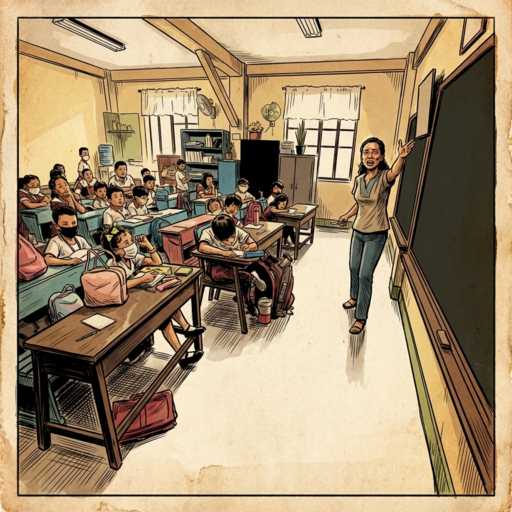
Marcos Approves Trimestral Calendar for Public Schools Starting AY 2026-2027
President Ferdinand Marcos Jr. has approved the shift to a three-term school calendar for public education institutions, effective Academic Year 2026-2027, moving away from the traditional four-quarter system.
President Ferdinand Marcos Jr. has approved the implementation of a trimestral (three-term) academic calendar for public schools in the Philippines, effective starting School Year 2026-2027. The approval came following recommendations from the Economic and Development (ED) Council during its meeting on March 19, 2026, and was officially announced around March 22, 2026. This major educational reform shifts the country away from the traditional four-quarter system that has been in place for decades.
The new calendar structure divides approximately 201 school days into three terms with specific instructional and assessment phases. The first term will have 54 instructional days plus a 10-day assessment period (including 5-day opening), the second term will have 55 instructional days plus 10-day assessment, and the third term will have 61 instructional days plus 6-day assessment. The terms are roughly scheduled as June-September (first term), September-December (second term), and January-March (third term), with brief interruptions for non-academic activities and enrichment programs.


According to the Department of Education (DepEd), which plans to implement the system without prior pilot testing, the shift aims to address frequent class disruptions from natural disasters, holidays, and other events while maximizing learning time. The reform maintains at least 180 instructional days annually and provides longer uninterrupted instructional blocks, better lesson pacing, structured recovery periods, and reduced teacher workload through fewer grading cycles. Teachers will also benefit from up to 32 hours of professional development and wellness breaks.
The Second Congressional Commission on Education (EDCOM 2) endorsed the trimestral system as a climate-resilient scheduling approach. Expected benefits include minimized lesson fragmentation for students, enabling catch-up opportunities, and eliminating one grading period for teachers while adding consolidation time. However, experts note potential challenges including classroom shortages and resource needs, while emphasizing that the impact on students' job readiness will depend on overall education quality rather than just the calendar structure.


Join the discussion
What do you think? Drop your thoughts below.