Marcos Seeks Emergency Powers to Cut Fuel Tax; LTFRB Eyes Fare Hike Amid Middle East Conflict
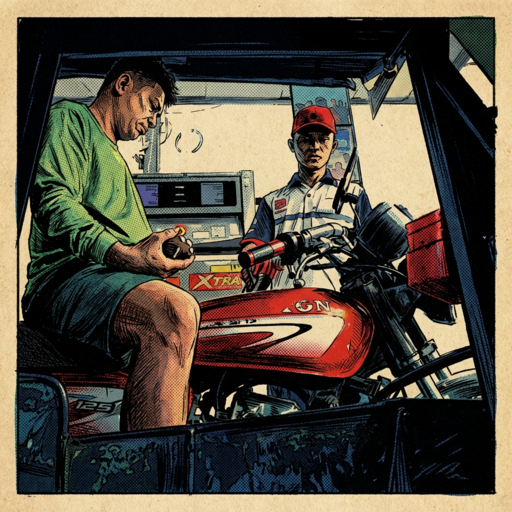
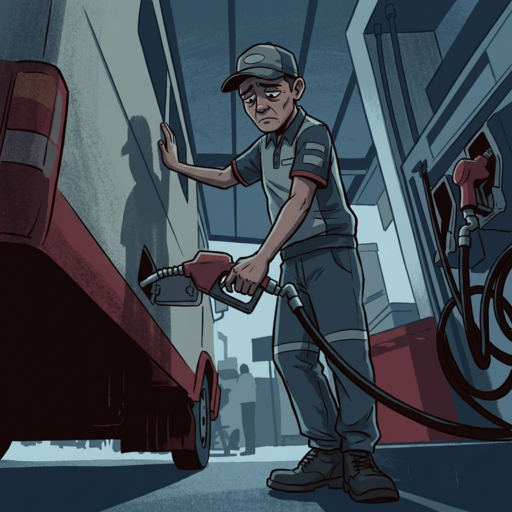
As the Middle East conflict escalates, President Marcos is requesting emergency powers to reduce fuel excise taxes. Simultaneously, the LTFRB is considering provisional fare increases for public transport due to soaring fuel prices, which have seen diesel and kerosene prices rise for the 10th consecutive week.
President Ferdinand Marcos Jr. announced on March 3, 2026 that he is seeking emergency powers from Congress to reduce or suspend excise taxes on petroleum products if Dubai crude oil prices exceed $80 per barrel. This move comes amid escalating Middle East conflicts that threaten to drive up global oil prices, with the Philippines being particularly vulnerable as it imports most of its oil from the region. Acting Finance Secretary Frederick Go clarified that this would be a precautionary tool exercisable only if needed, alongside targeted subsidies for transport and agriculture sectors, and potential free bus rides on major routes. Marcos has coordinated with oil companies for staggered price hikes and plans talks with Senate and House leaders to frame it as emergency legislation.
Simultaneously, the Land Transportation Franchising and Regulatory Board (LTFRB) is considering provisional fare hikes for all public transport services if diesel prices reach P60 per liter. LTFRB Chair Vigor Mendoza II stated that P60 is the threshold where action becomes challenging, though subsidies remain the preferred first option. Current diesel prices hover around P50–P60 per liter but have not yet triggered hikes, following a recent P1.20 increase. Mendoza described any potential fare increase as a "balancing act" between operator sustainability and commuter affordability, potentially being less than the full P1–P2 requested by transport groups.
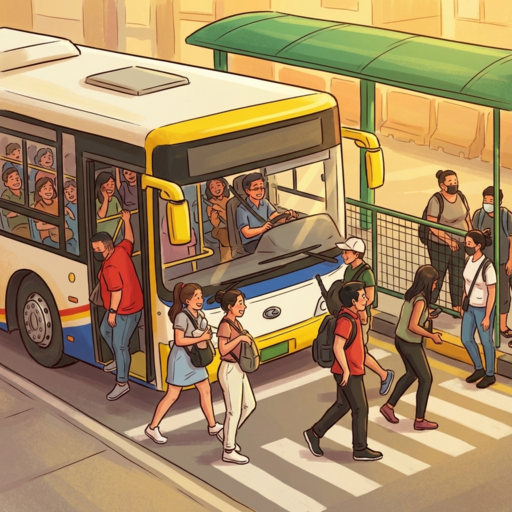
Several transport groups have filed petitions for fare increases currently under review by LTFRB. Jeepneys and city buses are seeking a P2 minimum fare hike, provincial buses want an additional P0.50 per kilometer, point-to-point (P2P) buses are requesting a 30–40% increase (which would raise Alabang–airport fares from P120 to at least P200), and TNVS (ride-hailing services) are seeking a P20–P30 flag-down rate increase. The Department of Transportation is preparing P2.5 billion in fuel subsidies for PUV operators as a buffer against fare hikes.
Legislative support for Marcos's emergency powers request appears strong, with Senators like Bam Aquino (who filed Senate Bill 1923) and Juan Miguel Zubiri backing the move, citing risks to food, transport, and electricity prices. In the House, Representative Stella Quimbo filed House Bill 8257 for presidential authority to suspend or reduce taxes during crises. Under the existing TRAIN Law (RA 10963), excise taxes automatically suspend after three consecutive months above $80/barrel, but Marcos seeks faster authority for immediate action. The situation remains developing as of March 3-4, 2026, with no final actions yet taken on either the emergency powers or fare hike proposals.
Join the discussion
What do you think? Drop your thoughts below.