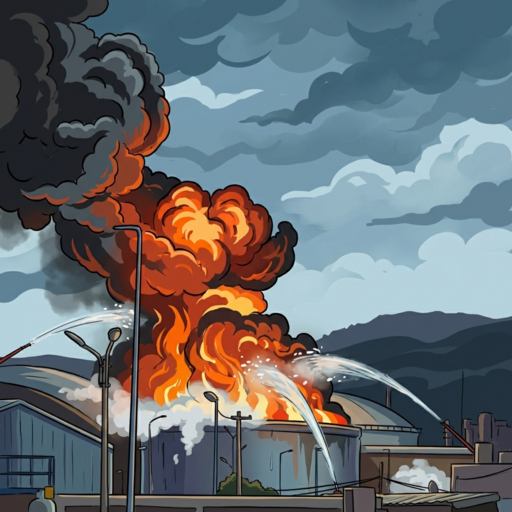
Middle East Tensions ESCALATE: Iran Rejects US Peace Bid Amid New Missile Strikes, Oil Prices Soar!
Geopolitical tensions in the Middle East have reached a critical point. Iran has officially dismissed recent US peace proposals as "unrealistic, illogical and excessive," promptly followed by a fresh wave of missile strikes on Israel. This alarming escalation has sent shockwaves through global markets, directly contributing to a significant surge in international oil prices. Adding to the volatility, reports suggest a keen US interest in gaining control over Iran's Kharg Island, a vital oil export hub, further raising fears of a wider, more intense conflict in the region.
Geopolitical tensions in the Middle East have escalated dramatically in March 2026, with Iran officially rejecting a US ceasefire proposal and continuing missile strikes on Israel, leading to significant global oil price volatility. According to Iranian state media, a senior security official dismissed the US peace plan as "excessive" and "deceptive," citing previous failed negotiations in June 2025 and February 2026 where attacks occurred during talks. The US proposal, described as a 15-point plan, focused on preventing Iran from obtaining nuclear weapons, curbing support for proxy groups like Hezbollah, Hamas, and Houthis, and reopening the Strait of Hormuz for global oil transit. Iran countered with five public demands: halting all aggression and assassinations, establishing mechanisms to prevent renewed conflict, providing reparations, ceasing attacks on resistance groups, and formally recognizing Iran's sovereignty over the Strait of Hormuz.
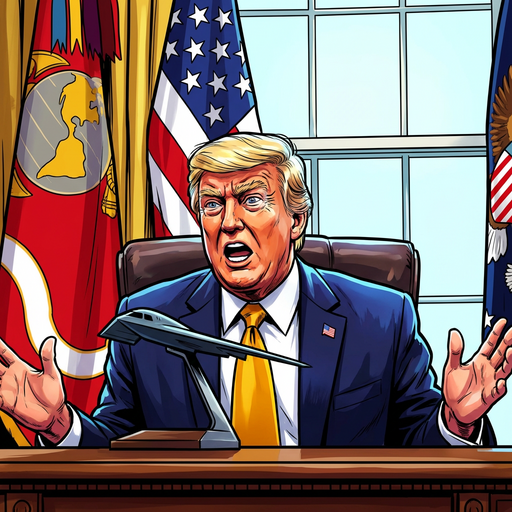
President Donald Trump claimed positive discussions and Iranian eagerness for a deal, but Iranian officials mocked these assertions, stating the war would end "when Iran decides" and on its own terms, while continuing to deliver "heavy blows" on enemies. Iran's foreign minister acknowledged receiving messages but denied formal negotiations were underway. The rejection came amid ongoing Iranian attacks on Israel, Gulf Arab states, and expanded operations in Kuwait and Iraq, with Iran also rejecting a planned peace summit in Pakistan.

The escalating conflict has sent shockwaves through global markets, particularly affecting oil prices due to fears of prolonged disruptions in the Strait of Hormuz, a critical chokepoint for global oil transit. The tensions have directly impacted the Philippine economy, with President Ferdinand "Bongbong" Marcos assuring the nation of adequate crude oil supply despite global volatility. The Philippine government has rolled out billions in fuel subsidies to support transport workers, while consumers face impending LPG and power rate hikes, and transport groups have staged protests over unstoppable oil price increases.
Adding to regional volatility, reports suggest US interest in gaining control over Iran's Kharg Island, a vital oil export hub, though no specific missile strikes on the island are detailed in recent reports. The broader Strait of Hormuz restrictions have fueled market fears, with Philippine malls shortening operating hours to conserve energy, the Senate questioning oil firms over pricing amid dwindled fuel stocks, and the Philippine peso dipping to new lows against the US dollar. An economist has urged the declaration of a state of economic emergency, while the Philippines is exploring the Kamagot 3 natural gas well in Malampaya and has opened discussions with China for joint oil exploration to address supply concerns.

Join the discussion
What do you think? Drop your thoughts below.