
Online baby-selling cases in 2026 now at 9, surpasses 2025 record — PNP
The Philippine National Police (PNP) reports a disturbing surge in online baby-selling cases, with nine incidents recorded in 2026 already exceeding the total for all of 2025. This alarming trend is attributed to intensified monitoring by the PNP's Women and Children Protection Center (WCPC), highlighting a growing social concern.
The Philippine National Police (PNP) has reported a significant surge in online baby-selling cases, with nine incidents recorded in just the first five weeks of 2026, already surpassing the total of nine rescues for all of 2025. This alarming trend was revealed by the PNP's Women and Children Protection Center (WCPC) during a press briefing at Camp Crame. WCPC Chief Brig. Gen. Maria Sheila Portento described the increase as "alarming," noting that six babies had been rescued in early 2026 alone, with transactions often arranged through social media platforms that mimic online marketplaces. Prices for infants ranged as low as P10,000, which is reportedly less than the cost of some puppies.
Specific cases highlighted by authorities include a mother arrested in Pampanga for attempting to sell her two-day-old baby boy for P30,000, and a family in Bulacan caught selling a three-month-old girl for P130,000. These cases represent a disturbing pattern where infants are being treated as commodities in illegal online transactions. The PNP has made nine arrests in connection with these cases so far in 2026, compared to 14 arrests in 2025 and seven in 2024. However, only one conviction has been secured from the 2024 cases.
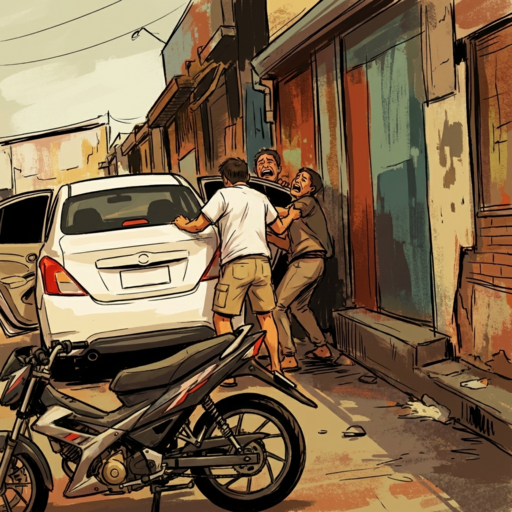

PNP Chief Gen. Jose Melencio Nartatez Jr. has vowed a comprehensive crackdown on these illegal activities, including investigations into potential syndicates, collaboration with social media companies for content removal, and potential legal action against platforms that fail to take appropriate action. Authorities are exploring platform accountability measures, with legal officers studying options to hold social media companies responsible for facilitating these transactions. Charges are being filed against sellers, buyers, and intermediaries under Republic Act No. 7610 (Special Protection of Children Against Abuse, Exploitation and Discrimination Act) and RA 9208 (Anti-Trafficking in Persons Act).
The National Authority for Child Care (NACC) has issued stern warnings against illegal online adoption schemes and is promoting legal, administrative adoption processes. The NACC notes that many children in shelters need families and emphasizes that proper adoption channels exist. The Council for the Welfare of Children (CWC) has expressed full support for intensified anti-trafficking campaigns. This situation highlights a growing social concern in the Philippines, where economic hardship appears to be driving some parents to consider selling their infants online, while also exposing vulnerabilities in social media platform regulation regarding illegal transactions involving human beings.

Join the discussion
What do you think? Drop your thoughts below.