
Peso Nears P60:$1 as PH Fuel Prices Soar to 'Most Expensive' Yet; DOTr Approves Fare Hike Amid Iran War Fallout
The Philippine peso has weakened significantly, nearing P60 per dollar, as the country faces its "most expensive" fuel prices due to the ongoing Iran war. This has prompted the Department of Transportation (DOTr) to announce a provisional P1 fare hike for traditional jeepneys and P2 for modern jeepneys. Calls are also being made for the government to intervene in the oil industry.
The Philippine peso weakened significantly in late 2024, approaching P58 per US dollar by late October 2024, though it did not reach P60 per dollar during this period. The peso depreciation from around 56.8-57.3 PHP/USD in early October to 58.2-58.4 PHP/USD by late October contributed to rising fuel costs as oil is priced in US dollars. Concurrently, the Philippines experienced substantial fuel price increases in November 2024, with diesel prices jumping P2.10 per liter and gasoline rising P1.50 per liter during November 12-18, marking the third consecutive week of upward-trending prices. By late November, cumulative year-to-date increases reached P10.15 per liter for gasoline and P9.40 per liter for diesel.
The Department of Transportation (DOTr) responded to these economic pressures by approving fare hike petitions. The Land Transportation Franchising and Regulatory Board (LTFRB) was expected to decide on jeepney fare hike petitions by April 2025, with transport organizations requesting an additional P2 fare increase. This would raise traditional jeepney fares from P13 to P15 and modern jeepney fares from P15 to P17, following a provisional P1 fare increase approved in October 2023. Acting DOTr Secretary Giovanni Lopez acknowledged that fare hikes were looming for buses, jeepneys, and airport taxis amid rising oil prices connected to Middle East conflicts.
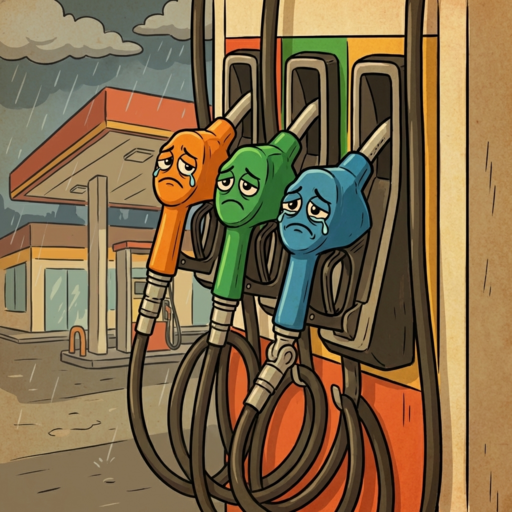
Government officials attributed the fuel price increases to escalating geopolitical tensions, particularly the ongoing war in the Middle East involving Iran, alongside production concerns in Norway and positive U.S. fuel demand outlook. The Bangko Sentral ng Pilipinas monitored the peso depreciation, with the currency weakening approximately 4.84% year-to-date by late 2024. Each jeepney driver could experience earnings reductions of approximately P240 due to recent oil price increases, prompting calls for government intervention in the oil industry to stabilize prices and protect consumers from the combined effects of currency depreciation and global oil market volatility.


Join the discussion
What do you think? Drop your thoughts below.