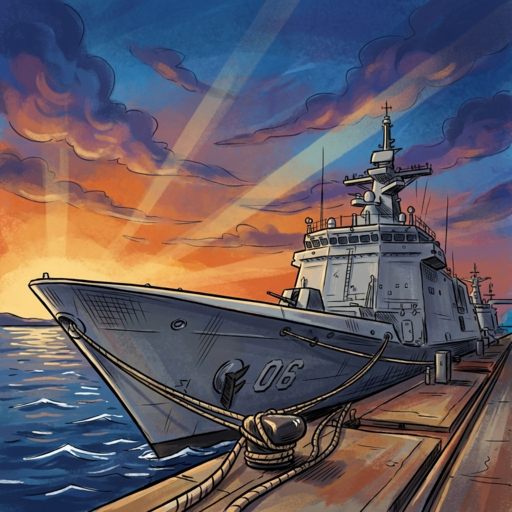
PH Navy missile frigate 'scanned' by Chinese targeting radar
The Philippine Navy confirmed that its guided missile frigate, BRP Miguel Malvar, was 'scanned' by a Chinese corvette's fire control radar in the West Philippine Sea, marking a significant escalation in maritime tensions.
On March 7, 2026, the Philippine Navy's guided missile frigate BRP Miguel Malvar was conducting a maritime patrol near Sabina Shoal (also known as Escoda Shoal or Xianbin Reef) in the West Philippine Sea when a Chinese navy vessel directed its fire-control radar at the Philippine ship. The incident occurred approximately 150 kilometers west of Palawan province, within the Philippines' exclusive economic zone. The Armed Forces of the Philippines (AFP) publicly disclosed the incident on March 20, 2026, describing the Chinese action as 'alarming and provocative' and stating it created 'unnecessary risk and could have led to misinterpretation and misunderstanding at sea.'
The AFP emphasized that while the situation did not escalate further, the use of fire-control radar—which is specifically designed to pinpoint target locations for missiles or shells—represented a significant escalation in maritime tensions. The Philippine military called for all states to exercise restraint and professionalism at sea. As of March 20, 2026, the Chinese Embassy in Manila had not responded to requests for comment about the incident.
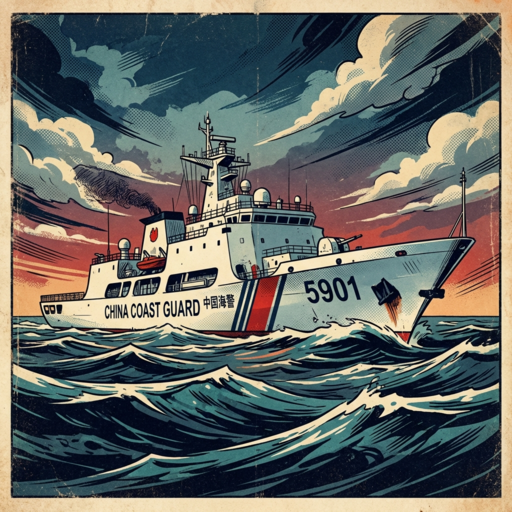
This incident occurred against the backdrop of ongoing maritime tensions between the Philippines and China in the West Philippine Sea, where previous confrontations have included Chinese vessels using water cannons against Philippine resupply missions. The BRP Miguel Malvar is one of the Philippine Navy's newest acquisitions from South Korea's HD Hyundai Heavy Industries, equipped with anti-ship, anti-submarine, and anti-aircraft capabilities.
The Philippine government maintains that its actions in the West Philippine Sea are in accordance with international law, particularly the 2016 ruling by the Permanent Court of Arbitration which found China's sweeping sovereignty claims in the South China Sea had no basis under international law. The radar lock incident represents a concerning development in the ongoing territorial disputes in the region, highlighting the potential for miscalculation and escalation in contested waters.



Join the discussion
What do you think? Drop your thoughts below.