Philippines Grapples with Soaring Fuel Prices and Energy Crisis: Buffer Secured, Locals Impacted, LPG Hikes, and Metro Commute Surges
The Philippines has declared a national energy emergency due to global fuel price hikes from the Middle East conflict, securing a 51-day supply buffer. However, the crisis intensifies as Petron raises LPG prices by ₱20/kilo, tricycle drivers' incomes in Agusan del Sur are halved, Ajuy, Iloilo declares a state of calamity, and Metro Manila bus terminals see a surge in passengers seeking cheaper commutes.
On March 25, 2026, Philippine President Ferdinand Marcos Jr. issued Executive Order 110 declaring a state of national energy emergency, making the Philippines the first nation to take such action in response to the Middle East conflict, specifically the US-Israel war on Iran. This unprecedented declaration empowers the government to control fuel prices, fast-track imports from alternative suppliers like Russia, procure fuel directly, counter hoarding, and boost coal-fired plant output amid disrupted LNG shipments. The emergency establishes a high-level committee of cabinet secretaries to oversee fuel, food, and essential goods distribution, maintain economic stability, and streamline permitting, initially lasting one year unless modified.
The Philippines maintains about 45-51 days of fuel reserves at typical consumption levels, with efforts underway to secure up to 1 million barrels from diverse sources. Energy Secretary Sharon Garin announced plans to increase coal output for cost management, while Marcos noted the emergency targets only the energy sector, as global oil prices are uncontrollable but local actions like electricity supply management and price curbs are feasible.

Fuel prices have seen dramatic increases since January 2026, with diesel surpassing P100 per liter by mid-March and gasoline approaching P90+ per liter. Oil retailers implemented double- and triple-digit weekly increases, including gasoline hikes of P12.90-P16.60 per liter and diesel increases of P20.40-P23.90 per liter in mid-March. The Department of Energy (DOE) has been monitoring for hoarding and profiteering while coordinating with DILG and PNP, urging staggered hikes instead of one-time big increases.
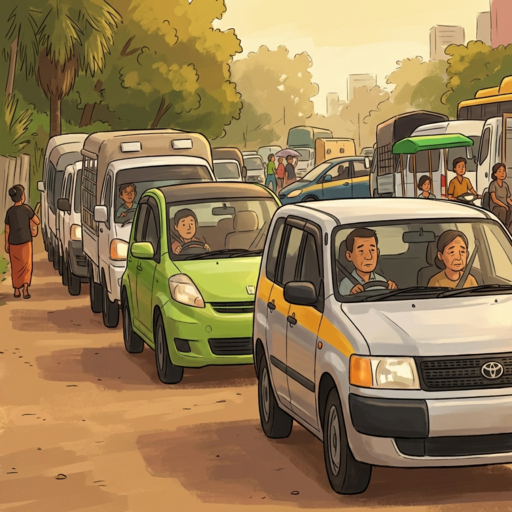
The crisis has severely impacted vulnerable groups and regions. In Agusan del Sur, tricycle drivers' incomes have been halved due to soaring fuel costs. Ajuy, Iloilo declared a state of calamity over fuel shortages and price surges, highlighting regional supply strains. Metro Manila bus terminals experienced passenger surges as commuters shifted to buses amid unaffordable private vehicle use. Petron implemented a P20 per kilogram increase in LPG prices, compounding household and transport costs.
Government responses include P5,000 fuel subsidies rolled out for public transport operators, farmers, fisherfolk, and tricycle drivers starting mid-March, along with free rides and intensified monitoring to mitigate panic buying. The crisis risks aviation fuel shortages potentially grounding flights, slower economic growth, and higher inflation, with neighboring Asian countries implementing energy-saving measures or releasing reserves in response.


Join the discussion
What do you think? Drop your thoughts below.