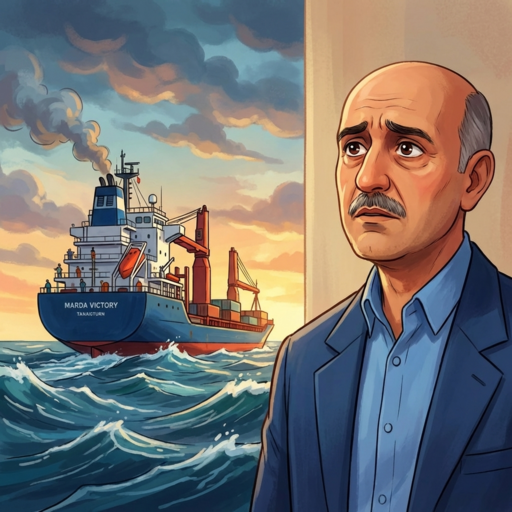
Philippines to Negotiate Safe Hormuz Passage Amid Iran War; Faces National Energy Emergency
President Ferdinand R. Marcos Jr. has directed officials to negotiate with Iran for the safe passage of Philippine-bound oil tankers through the Strait of Hormuz, as the Middle East conflict continues. This urgent move comes after the Philippines declared a national energy emergency last week, with local fuel prices having nearly doubled in a month due to the war's impact on global supply.
President Ferdinand R. Marcos Jr. has taken urgent diplomatic action by directing Foreign Affairs Secretary Theresa Lazaro to negotiate with Iranian Ambassador to Manila Yousef Esmaeil Zadeh for the safe passage of Philippine-bound oil tankers through the strategically vital Strait of Hormuz. This directive was issued during a March 30, 2026 meeting of the UPLIFT Committee, an interagency group addressing energy supply risks from the Middle East conflict, as confirmed by Palace Press Officer Claire Castro on March 31. The talks aim to ensure steady oil deliveries to the Philippines, a major oil importer vulnerable to disruptions in the strait which carries one-fifth of global oil supply and is under Iranian control.
The diplomatic initiative comes just days after President Marcos declared a national energy emergency on March 25, 2026 through Executive Order 110, citing "imminent danger" to energy supply availability from the US-Israel war with Iran. The Philippines became the first nation to declare such an emergency amid the Iran war, with the crisis described as exceeding 1970s energy shocks by IEA Executive Director Fatih Birol. The emergency declaration grants the government powers including control over fuel prices, fast-track imports, direct procurement, anti-hoarding measures, and advance payments for contracts.

The Philippines faces severe vulnerability as an import-dependent nation with only about 45 days of fuel reserves at normal consumption. Approximately 80% of oil passing through the Strait of Hormuz typically goes to Asian markets, including the Philippines. The conflict has stifled global oil deliveries and spiked prices, though specific details about fuel prices having "nearly doubled in a month" require verification from current market data. The government aims to secure 1 million barrels from alternative suppliers while diversifying oil sources including Russia, Indonesia, and India.
Secretary Lazaro is scheduled to meet Ambassador Zadeh as early as March 31 or the following week, following urgings from Senator Sherwin Gatchalian. Iran has reportedly allowed passage for vessels from "friendly" nations like China, Russia, India, Iraq, Pakistan, Malaysia, Thailand, and Bangladesh after coordination, while stating the strait is controlled but not closed to non-hostile traffic. As a US treaty ally but not directly involved in the conflict, the Philippines is catching up to neighbors' arrangements while implementing emergency measures to avert a full-blown energy crisis. No confirmation exists yet on assurances for Philippine vessels or imminent transits through the strategic waterway.

Join the discussion
What do you think? Drop your thoughts below.