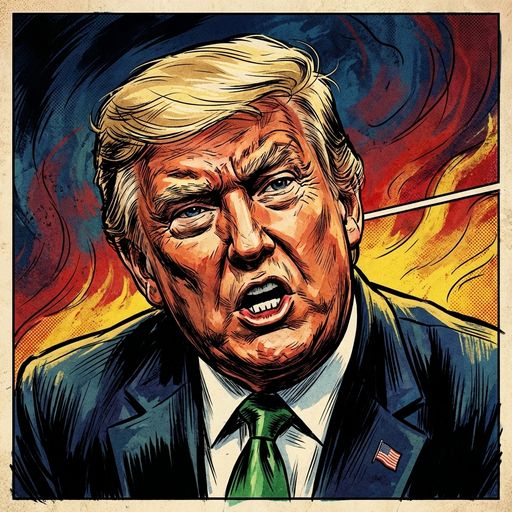
Trump issues new warning to Tehran; Iran calls US peace proposals 'unrealistic'
Former US President Trump has issued a dire warning to Iran, threatening to obliterate its energy infrastructure if the Strait of Hormuz remains closed. This comes after Iran dismissed US peace proposals and launched missiles at Israel, escalating global tensions.
In March 2026, former U.S. President Donald Trump issued a dire warning to Iran, threatening to obliterate its energy infrastructure including oil wells, Kharg Island, and gas facilities if the Strait of Hormuz remained closed. This escalation occurred during the ongoing 2026 Strait of Hormuz crisis, which began after U.S.-Israel strikes on Iran in late February that killed Iran's Supreme Leader Ali Khamenei, prompting Iranian retaliation including closure of the strategic waterway. Trump specifically warned on March 30 that the U.S. would destroy Iran's energy supplies if no peace deal was reached soon, while also claiming Iran had agreed to allow 20 oil ships through the strait starting Monday.
Iran responded through Ali Larijani, head of Iran's National Security Council, who issued a veiled threat against Trump on social media, stating: "Iran doesn't fear your empty threats. Even those bigger than you couldn't eliminate Iran. Be careful not to get eliminated yourself." This came after Trump's Truth Social post vowing strikes "twenty times harder" if Iran blocked Strait of Hormuz oil shipments. The crisis timeline shows Trump announced U.S. intent to seize control of the strait on March 9, began military operations to reopen it on March 19, and issued a 48-hour ultimatum on March 22 before postponing it on March 23 citing "productive conversations."

Regarding peace proposals, Iran formally rejected a U.S. 15-point peace plan on March 25 through intermediaries, presenting five counter-conditions instead: end of attacks by U.S. and Israel on Iran and pro-Iranian forces in Lebanon and Iraq; creation of mechanisms to prevent war resumption; compensation for damage; and international recognition of Iranian sovereignty over the Strait of Hormuz. Iranian officials, including IRGC spokesman Ebrahim Zolfaghari, accused Trump of oscillating between talks and threats, highlighting inconsistency in the U.S. position. While Iranian Foreign Minister Abbas Araghchi had earlier expressed optimism about a "historic" agreement being "within reach," the March rejection indicated significant gaps remained.
The crisis has halted most shipping through the critical waterway, spiked global oil prices, and raised fears of broader Middle East conflict. The Pentagon has prepared for ground operations near the strait, while Iran warned of activating Houthi allies in Yemen for Red Sea attacks if the U.S. invades. Republican Senator Lindsey Graham urged military action "in weeks, not months," reflecting the heightened tensions. The situation remains volatile with ongoing diplomatic efforts but substantial military posturing by both sides, creating uncertainty about whether the conflict will escalate further or move toward resolution through negotiations.
Join the discussion
What do you think? Drop your thoughts below.