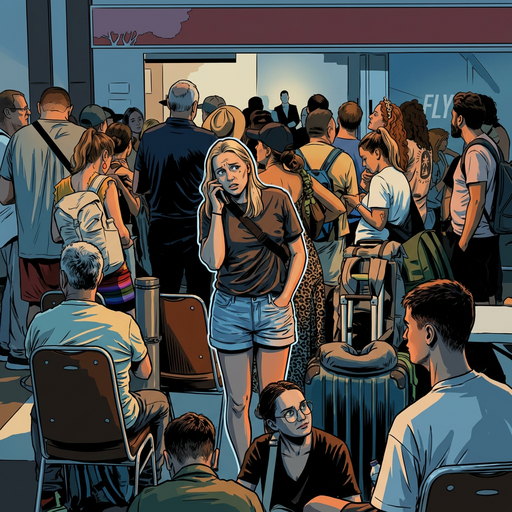
US-Iran conflict disrupts thousands of flights as global travel chaos deepens
The escalating US-Iran conflict has led to widespread global air travel disruption, with thousands of flights canceled and major Middle Eastern airports closed, creating significant aviation chaos.
The US-Iran conflict, triggered by US and Israeli strikes on February 28, 2026, that killed Iran's Supreme Leader Ayatollah Ali Khamenei, has created the biggest disruption to global air transport since the COVID-19 pandemic. The conflict has led to widespread airspace shutdowns across Iran, Iraq, Kuwait, Israel, Bahrain, UAE, Qatar, Syria, and Oman, with Iran's airspace closed until at least March 3, 2026. Major Middle Eastern hubs including Dubai International Airport, Abu Dhabi's Zayed International Airport, Doha, and Kuwait airports remain shuttered or restricted after being hit by Iranian retaliatory strikes, with reports of casualties including four injured at Dubai airport and one killed at Abu Dhabi airport.
Flight impacts have been massive, with over 6,700 delays and 1,900 cancellations worldwide by March 1, 2026, on top of thousands from the previous day. More than 1,800 Middle East flights were canceled on March 1 alone, affecting routes to Saudi Arabia, Jordan, Turkey, and Egypt, with over 3,000 total cancellations reported across the region. Major airlines have suspended or rerouted services, including Emirates halting all Dubai flights until at least Monday afternoon, Qatar Airways closing its Doha hub until Monday morning, and numerous international carriers like Delta, American, United, Air Canada, Air France, British Airways, and Lufthansa canceling services to affected destinations.
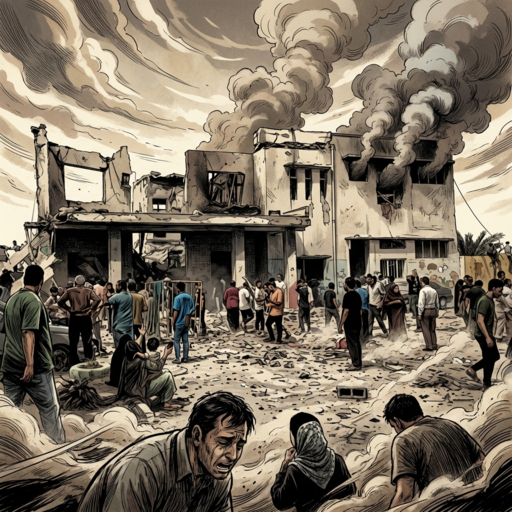

The global ripple effects stem from the loss of critical Iranian and Iraqi overflight routes, which had grown increasingly important since the Russia-Ukraine war restricted Russian airspace. This has significantly lengthened Europe-Asia journeys, spiked fuel costs, and stranded aircraft and crews at major east-west hubs like Dubai and Doha. Hundreds of thousands of travelers have been stranded worldwide, scrambling for rebookings and facing jammed airline phone lines, with analysts predicting delays and cancellations for days as military operations continue.
From Philippine sources including Philstar, BusinessWorld, Inquirer, and ABS-CBN, the focus has been on monitoring the safety of Overseas Filipino Workers (OFWs) in the Middle East rather than flight disruptions. President Ferdinand Marcos Jr. stated on March 1 that no Filipino casualties have been reported, with OFWs moved to shelters away from US bases. The Department of National Defense and Armed Forces of the Philippines confirmed the conflict poses no direct threat to Philippine territory, though the Makabayan bloc in Congress warned of potential global implications and urged the Philippines to avoid supporting US actions. While regional flight disruptions are severe, Philippine sources have not reported domestic or transpacific flight impacts as of March 1, 2026.


Join the discussion
What do you think? Drop your thoughts below.