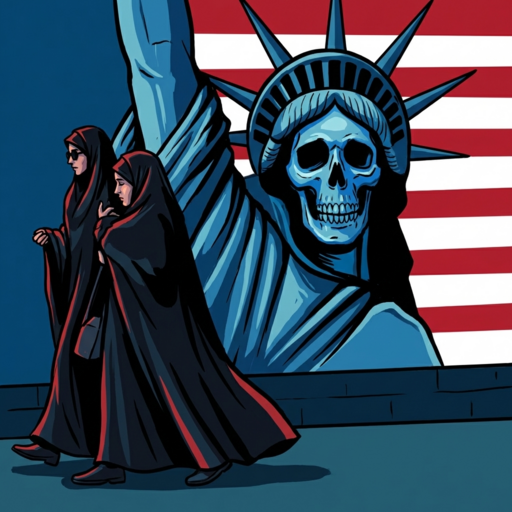
US vs. Iran: Three generations of conflict
The article traces the decades-long US-Iran conflict, highlighting pivotal events like the 1953 coup, the 1979-81 hostage crisis, and the nuclear dispute, which continue to shape their strained relationship.
The US-Iran conflict spans three generations, beginning with the 1953 CIA-backed coup that overthrew Prime Minister Mohammad Mossadegh and reinstated the Shah, establishing decades of American influence. The second generation erupted with the 1979 Islamic Revolution and the subsequent 444-day hostage crisis where Iranian students seized 52 American diplomats, permanently poisoning bilateral relations and cementing anti-American sentiment in Iran. The third generation involves contemporary nuclear disputes and military escalations, including the US assassination of General Qasem Soleimani in 2020, US bombing of Iranian nuclear facilities in June 2025, and the February 2026 US-Israeli strikes that killed Supreme Leader Ayatollah Ali Khamenei, triggering direct war between the nations.
According to Philippine news sources, the conflict escalated dramatically on February 28, 2026, when US and Israeli forces launched coordinated strikes on Tehran, targeting Khamenei's compound and killing over 40 people including family members. Iran retaliated with missile attacks on US bases across Gulf states, resulting in at least six American deaths. Philippine officials including Defense spokesperson Arsenio Andolong and National Security Adviser Eduardo Ano have emphasized that the Philippines faces no direct threat, with Enhanced Defense Cooperation Agreement (EDCA) sites not involved in Middle East operations. However, the conflict has raised economic concerns for Filipinos through potential inflation from higher commodity prices.
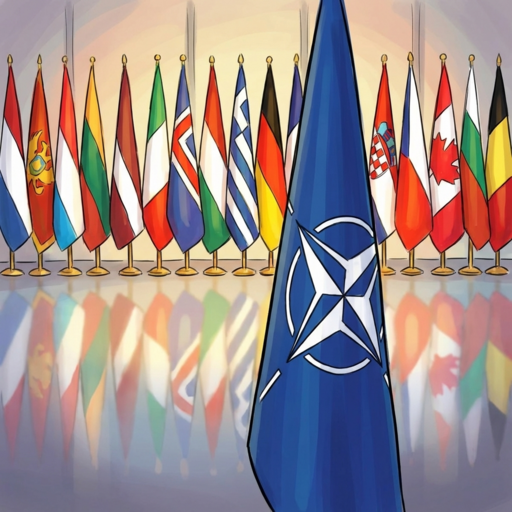
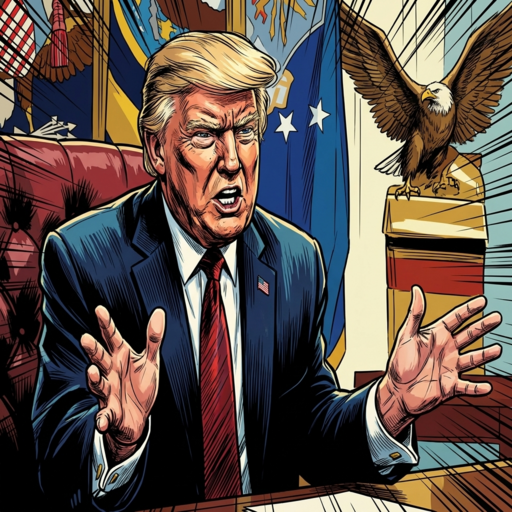
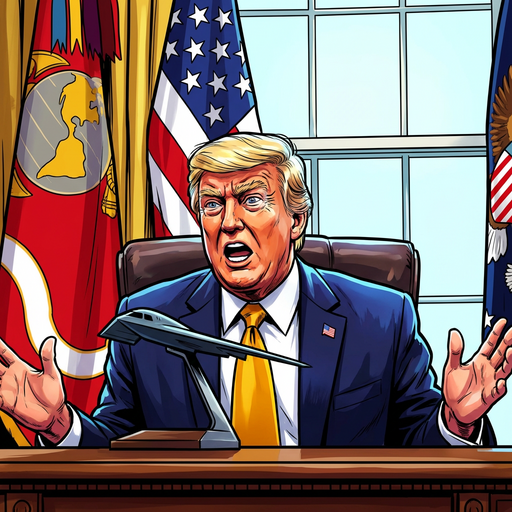
The Philippine government has taken precautionary measures, with President Ferdinand Marcos Jr. pushing for UN Security Council involvement in de-escalation efforts and Malacañang preparing contingency plans for Filipinos in California after FBI warnings of possible Iranian attacks there. The first batch of Filipinos has been repatriated from war-torn Middle Eastern regions including Iran. As of March 2026, the conflict continues with ongoing US strikes under 'Operation Epic Fury,' with President Donald Trump demanding Iran's unconditional surrender while Iran's new leadership under Mojtaba Khamenei vows continued retaliation against US targets.
Official statements from Philippine authorities consistently deny the country's involvement, with Defense Secretary Gilberto Teodoro dismissing viral claims that the Philippines is Iran's 'next target' as false information. The conflict has resulted in over 1,800 deaths globally, including eight US service members and numerous Iranian civilians, with no resolution in sight as both sides maintain hardened positions. The three-generation conflict continues to shape global geopolitics, with Philippine media focusing on the economic impacts and security reassurances for the nation's citizens both domestically and abroad.
Join the discussion
What do you think? Drop your thoughts below.