
Global Oil and Gas Prices Skyrocket as Iran-US Tensions Escalate; Pentagon Sees No End in Sight for Iran War
International oil and gas prices have surged dramatically following Iran's retaliatory attack on Qatar's massive LNG facility, a response to an Israeli strike. With the US and Iran trading threats, the Pentagon states there's "no definitive time frame" for ending the conflict, further exacerbating global energy instability.
International oil and gas prices have surged dramatically following Iran's retaliatory missile attack on Qatar's Ras Laffan Industrial City, home to the world's largest LNG facilities including the Pearl GTL plant. The attack occurred on March 18-19, 2026, in response to Israeli strikes on Iran's South Pars and Asaluyeh gas fields that killed three top Iranian officials including Intelligence Minister Esmail Khatib. The Iranian strikes caused extensive damage to Qatar's LNG infrastructure, wiping out approximately 17% of Qatar's LNG capacity and potentially requiring up to five years for repairs.
Oil prices have surged above $100 per barrel amid escalating US-Iran tensions, with Brent crude reaching $105.15 and WTI at $100.32 as of recent reports. These spikes represent the highest prices since 2022 or mid-2024, stemming from US and Israeli attacks on Iran, Iranian strikes on energy infrastructure, and threats to block the Strait of Hormuz which carries 20% of global oil. The conflict has disrupted Middle East energy shipments, with Iraq cutting output by 1.5 million barrels per day and tankers avoiding the Hormuz after insurance cancellations.

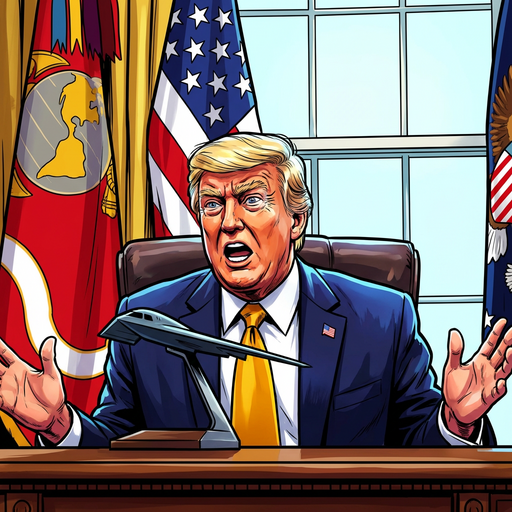
US President Trump has threatened to strike Iran's Kharg Island oil hub (responsible for 90% of Iran's exports) and has considered ground assaults or Hormuz occupation. Trump also warned Iran against further attacks on Qatar, threatening US strikes on Iranian gas infrastructure if escalation continues. The US has invoked the Defense Production Act to restart California offshore drilling, and the US Navy may escort ships through the region.
The Pentagon has stated there is "no definitive time frame" for ending the conflict, viewing it as prolonged with no end in sight. Analysts highlight prolonged risks to global energy supplies, with the International Energy Agency planning to release 400+ million barrels from reserves starting in Asia and Oceania. Qatar has condemned the strikes as a "blatant violation of international law" that threatens global energy security, navigation, and the environment.
The global energy crisis has direct impacts on consumer costs and shipping rates worldwide. The Ras Laffan facility is the world's second-largest LNG exporter, and the attack risks creating a natural gas crisis for power and industry globally. The conflict has entered its seventh day with ongoing escalation, and analysts predict further price rises to $90+ if disruptions persist, with the situation continuing to exacerbate global energy instability.

Join the discussion
What do you think? Drop your thoughts below.