Iran's new supreme leader vows to keep Hormuz shut in defiant first remarks
Iran's new Supreme Leader Mojtaba Khamenei has declared that the Strait of Hormuz will remain closed, using it as leverage against the United States and Israel. This defiant stance comes as his first public remarks since succeeding his father, promising continued resistance and challenging international navigation through the vital oil transit route, further escalating global tensions.
Iran's new Supreme Leader Mojtaba Khamenei has called for the Strait of Hormuz to remain closed, according to statements published by state media. Khamenei, who was appointed as Iran's third Supreme Leader on March 8, 2026, following the assassination of his father Ayatollah Ali Khamenei on February 28, 2026, expressed support for continued closure and stated that "Iran will take compensation from the enemy," indicating no near-term resolution to the conflict. This closure is unprecedented in scope, as the Strait of Hormuz has never been closed in this manner before, with approximately 80 to 100 ships previously transiting daily now reduced to virtually no tanker traffic.
The closure began following Israeli and U.S. strikes on Iran and subsequent Iranian attacks on commercial vessels in the strait. The International Energy Agency reports that approximately 8 million barrels of oil per day have been kept off the market due to the closure, creating significant global economic impacts. As of mid-March 2026, at least 13 confirmed vessel strikes have occurred in the region, with seven seafarer fatalities reported, making the maritime threat environment critical with risks including unmanned aerial vehicle and missile activity, sabotage, and navigation system interference.
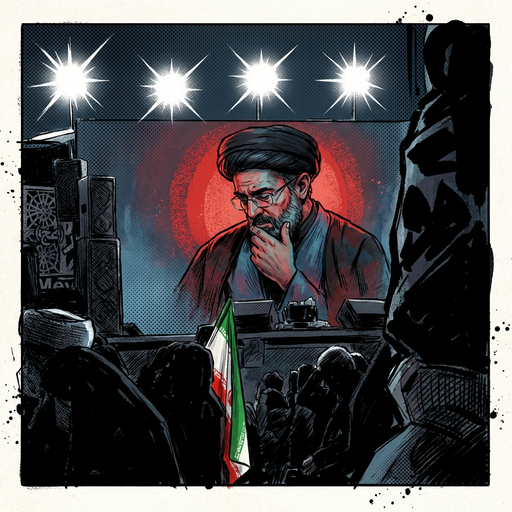
Mojtaba Khamenei's appointment represents a dynastic succession in Iran's leadership, with the Assembly of Experts selecting the son of the late Supreme Leader. He is described as a behind-the-scenes influencer in security and policy who has now taken public leadership during the ongoing conflict with the U.S. and Israel. The new leader is protected by the elite NOPO counterterrorism unit amid heightened security concerns.
The Strait of Hormuz closure represents a major escalation in the Iran-U.S.-Israel conflict, with global energy markets experiencing significant disruption. The situation continues to evolve with ongoing attacks on commercial shipping and no clear diplomatic resolution in sight, marking one of the most serious maritime security crises in recent history with far-reaching consequences for global trade and energy security.
Join the discussion
What do you think? Drop your thoughts below.