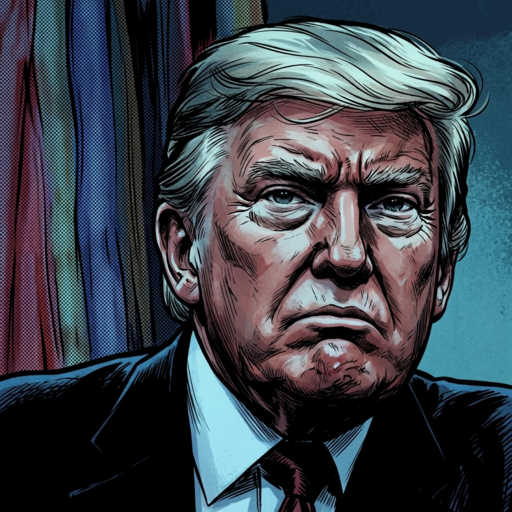
Global Oil Markets Volatile: Prices Slide as Trump's Iran Remarks Contradicted, Bahrain Proposes UN Force in Hormuz
Oil prices tumbled and stock markets rebounded after US President Trump announced he halted strikes on Iran following 'very good' talks. However, Iran immediately denied any such negotiations. Meanwhile, Bahrain has proposed a UN Security Council resolution to authorize force to protect shipping in the vital Strait of Hormuz, highlighting ongoing geopolitical tensions impacting global energy.
In March 2026, global oil markets experienced significant volatility amid escalating tensions in the Strait of Hormuz. US President Donald Trump made statements urging NATO allies to provide military escorts for tankers through the strategic waterway, criticizing European countries as "cowards" for not sending troops to reopen the strait after what he described as a U.S.-won fight against a "Nuclear Powered Iran." Trump also offered U.S. "political risk insurance and guarantees" for energy tankers and suggested potentially "taking over" the strait to ensure energy flow. However, these remarks were made in the context of ongoing Iranian threats, drone and missile attacks that had effectively shut down the strait, with tankers avoiding passage due to security concerns.
Simultaneously, Bahrain took diplomatic action at the United Nations, tabling a Security Council resolution on behalf of the Gulf Cooperation Council (GCC) and Jordan. On March 11, 2026, the UN Security Council adopted Resolution 2817 with 13 votes in favor and abstentions from Russia and China. The resolution condemned Iranian missile and drone attacks on Gulf states and Jordan, demanded Iran immediately halt its attacks and provocations, and explicitly warned against any threats to maritime navigation in the strategically vital Strait of Hormuz and Bab Al-Mandab Strait. The resolution emphasized these waterways' critical role in global energy supplies and trade.
Following the UN resolution adoption, Bahrain joined a joint statement with 19-20 nations including the UK, France, Germany, Japan, and Canada, condemning Iran's attacks on commercial vessels and civilian infrastructure. The statement urged Iran to comply with Resolution 2817, upheld freedom of navigation under international law, and pledged coordinated efforts for safe passage through the Hormuz Strait, including potential oil reserve releases and market stabilization measures. This diplomatic push came as oil prices had spiked, with Brent crude reaching $85 per barrel before dipping slightly.
The geopolitical tensions created a complex situation where Trump's unilateral calls for military action contrasted with Bahrain's multilateral diplomatic approach through the UN Security Council. While Trump focused on pressuring NATO allies for military support, Bahrain's resolution represented a coordinated Gulf Arab response seeking international condemnation of Iranian actions and protection of shipping lanes through established UN mechanisms. The combination of military posturing and diplomatic maneuvering contributed to oil market uncertainty, though no physical blockade of the strait was confirmed despite significant security threats that deterred commercial shipping.
Join the discussion
What do you think? Drop your thoughts below.