Middle East war: global economic fallout
The ongoing Middle East war is causing significant global economic fallout, with oil prices soaring. US crude surpassed $100 a barrel, and Brent crude climbed above $115. Reports also indicate Iran has targeted aluminum plants in Bahrain and UAE, signaling broader regional economic impact.
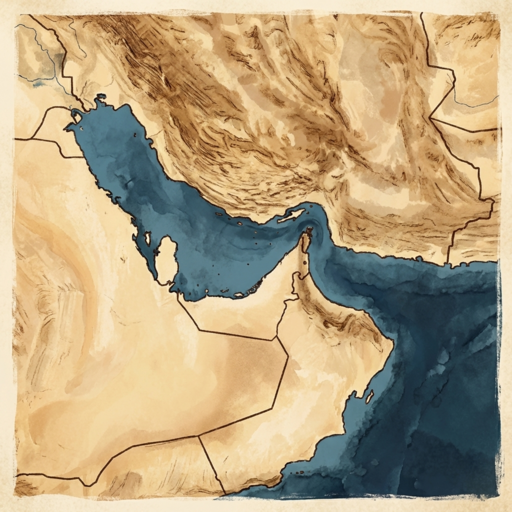
The ongoing Middle East conflict has escalated significantly in March 2026, with Iran's Revolutionary Guards (IRGC) launching missile and drone strikes on aluminum plants in Bahrain and the UAE on March 28-29, 2026. The attacks targeted Aluminium Bahrain (Alba), injuring two employees, and Emirates Global Aluminium's Al-Taweelah smelter in the UAE. Iran claimed these strikes were retaliation for US-Israeli attacks on Iranian industrial infrastructure launched from Gulf states. Gulf air defenses in Bahrain, UAE, Kuwait, and Saudi Arabia intercepted waves of missiles and drones, with Bahrain reporting 20 missiles and 23 drones downed in 24 hours. These attacks on critical economic infrastructure represent a significant escalation in the regional conflict.
The global economic fallout has been severe, with oil prices experiencing volatility. While earlier projections suggested oil could reach $140 per barrel, recent statements from U.S. President Donald Trump claiming the conflict is "pretty much" resolved and plans to ease oil sanctions have brought prices down to around $85-89 per barrel. However, the situation remains precarious as the Strait of Hormuz remains closed by Iran, disrupting shipping and triggering force majeure declarations by companies like Bahrain Steel. The aluminum attacks specifically target facilities responsible for 9% of global aluminum supply, with the U.S. having imported 171,400 tonnes of primary aluminum from Gulf states in 2025.

In the Philippines, the economic impact has been particularly severe. The country imports approximately 98% of its crude oil from the Middle East, making it highly vulnerable to supply disruptions. President Ferdinand Marcos Jr. declared a national energy emergency on March 25, 2026, warning of potential flight groundings if aviation fuel supplies dry up. The Philippine government has implemented a State of Economic Alert with a mandatory four-day work week for executive offices, strict energy conservation measures including a 24-degree air conditioning rule, and proposals for presidential emergency powers to suspend fuel excise taxes if Dubai crude exceeds $80 per barrel.
The Philippine economy faces multiple threats: inflation is tracking toward 7.5%, the peso has weakened to nearly ₱60:$1, and OFW remittances ($30 billion annually, with $6.48 billion from the Middle East in 2025) are at risk. De La Salle University economists warn that oil prices reaching $140 per barrel could drastically alter inflation outlooks and weaken household spending. Energy Secretary Sharon Garin has warned of severe fuel shortages in coming months, while fisherfolk groups report delayed and inadequate subsidies as gasoline prices have nearly doubled, crippling livelihoods. The Department of Labor and Employment has allocated P1.2 billion to intensify labor programs amid the economic fallout.


Join the discussion
What do you think? Drop your thoughts below.