Group seeks release of journalist in terrorism financing case
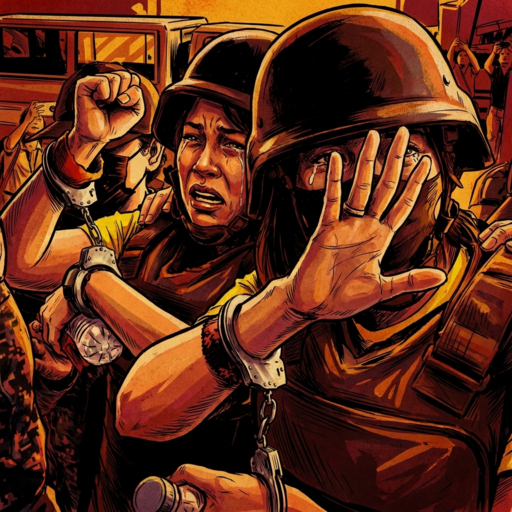
Reporters Without Borders (RSF) has renewed its call for President Ferdinand R. Marcos Jr. to secure the release of community journalist Frenchie Mae Cumpio, who was convicted of terrorism financing. The Tacloban Regional Trial Court Branch 45 affirmed its ruling, dismissing Cumpio and church worker Marielle Domequil's motion for reconsideration. This case highlights concerns about press freedom and justice.
Frenchie Mae Cumpio, a 26-year-old Filipino community journalist and executive director of Eastern Vista news website, was convicted of terrorism financing on January 22, 2026, by Tacloban City's Regional Trial Court Branch 45 under Presiding Judge Georgina Uy Perez. She was sentenced to 12-18 years in prison after spending nearly six years in pre-trial detention since her arrest on February 7, 2020, alongside four human rights activists known as the "Tacloban 5." Cumpio was acquitted of illegal possession of firearms and explosives charges but found guilty of financing terrorism "beyond reasonable doubt" along with co-defendant Marielle Domequil, a church and human rights worker.
On March 27, 2026, the Tacloban Regional Trial Court Branch 45 dismissed the motion for reconsideration filed by Cumpio and Domequil's legal team, upholding their terrorism financing conviction. The court rejected the appeal for lack of merit, maintaining the earlier conviction and bail denial. This followed a hearing on February 5, 2026, with the court initially delaying its ruling on the motion until March 23, 2026, before issuing the final dismissal.


Reporters Without Borders (RSF) has renewed its call for President Ferdinand R. Marcos Jr. to secure Cumpio's release, joining other international press freedom organizations including the Committee to Protect Journalists (CPJ), International Federation of Journalists (IFJ), Free Press Unlimited (FPU), and the National Union of Journalists of the Philippines (NUJP). These groups have condemned the conviction as a miscarriage of justice based on flawed and unsupported evidence, with a UN special rapporteur stating the charges appeared to be "in retaliation for her work as a journalist."
Cumpio's case highlights ongoing concerns about press freedom in the Philippines, where she had reported on alleged police and military abuses and community welfare issues in Eastern Visayas as a radio news anchor. The case represents a broader pattern of press suppression through "red-tagging"—labeling journalists and activists as communist insurgents to justify harassment and detention. Her legal team continues to pursue appeals, with international press freedom coalitions maintaining pressure for her release amid what they describe as a grave threat to journalism in the Philippines.


Join the discussion
What do you think? Drop your thoughts below.