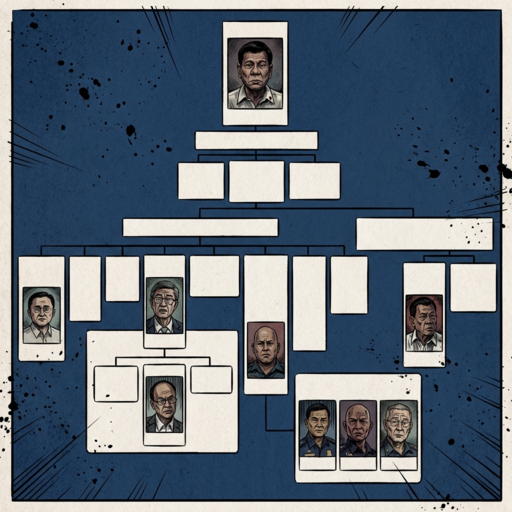
ICC Prosecution Details Co-Perpetrators, Emotional Evidence in Duterte Drug War Case; Victims' Lawyers Conclude Submissions
The International Criminal Court (ICC) hearing on former President Rodrigo Duterte's 'war on drugs' saw the prosecution outlining the roles of alleged co-perpetrators and presenting powerful, emotional evidence of victims. Legal experts commented on the strength of the evidence, while lawyers representing drug war victims' families concluded their submissions on the merits of the case.
The International Criminal Court (ICC) confirmation of charges hearing against former Philippine President Rodrigo Duterte opened on February 23, 2026, in The Hague, with prosecutors alleging he played a central role in a common plan with co-perpetrators to commit murders as crimes against humanity during his 'war on drugs' from 2011-2019. The four-day hearing (February 23-27) will determine if there are substantial grounds to proceed to trial, with judges expected to decide within 60 days. Prosecutors presented evidence including an 'insider witness' who interpreted former Philippine National Police chief and Senator Ronald dela Rosa's 2016 memo to 'neutralize' drug suspects as meaning 'kill,' which serves as key proof of intent.
A public redacted charges document released on February 13, 2026, lists eight others as co-perpetrators alongside Duterte in both the national drug war and Davao Death Squad killings, though no additional arrest warrants have been publicly issued. The prosecution detailed the specific roles of these alleged co-perpetrators during the proceedings, though their identities remain redacted in public documents. Duterte was arrested in Manila on March 12, 2025, on a sealed ICC warrant and remains in detention at the ICC's Scheveningen facility.
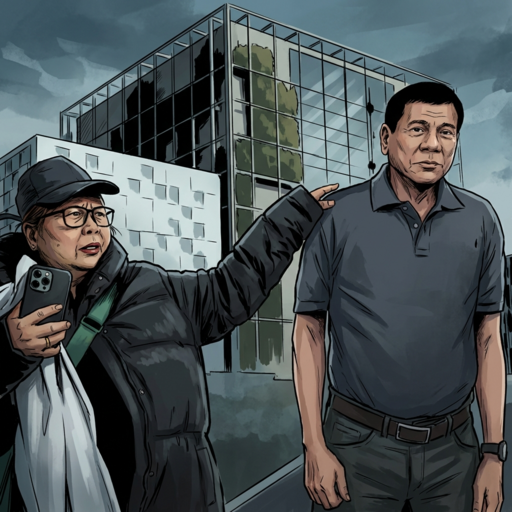
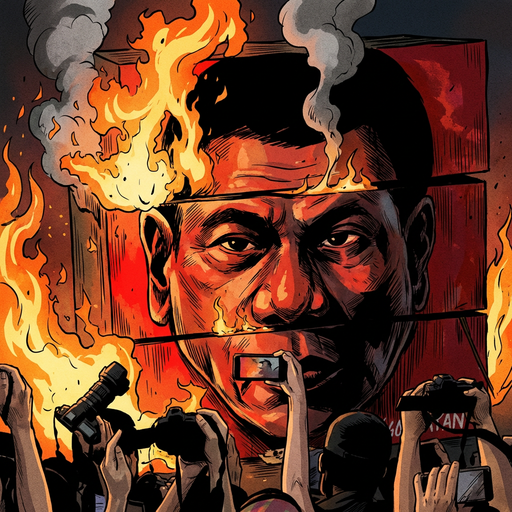
Victims' lawyers concluded their submissions on the merits of the case, describing the ICC as their 'last refuge' for justice. They presented powerful, emotional evidence from victims' families, though specific details of testimonies are not fully detailed in available reports. The defense has challenged evidence as 'cherry-picked' and filed motions to disqualify Filipino victim representatives, while Duterte himself has denied all charges, waived attendance at the hearing, and maintains his innocence while citing his law-and-order legacy.
Legal experts have commented on the strength of the evidence presented, with Amnesty International calling the hearing a crucial opportunity for justice for victims and urging Philippine cooperation. The Philippine government has indicated readiness to enforce ICC warrants against Duterte allies, though questions remain about whether local courts can review them. The burden of proof lies with prosecutors to show evidence beyond the confirmation standard, with suspects presumed innocent until proven guilty. A January 2026 medical review confirmed Duterte's fitness to stand trial despite his advanced age.
Join the discussion
What do you think? Drop your thoughts below.