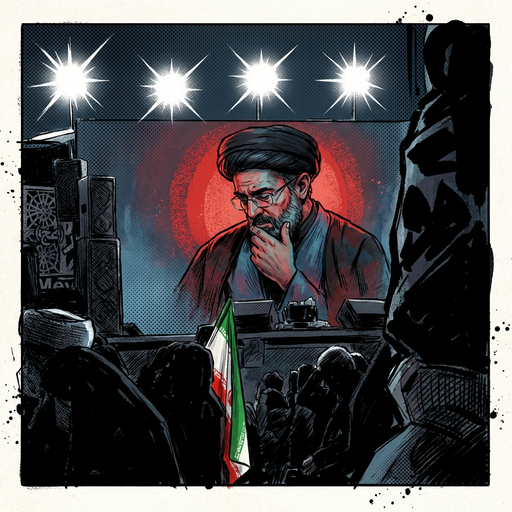
Iran names Khamenei's hardline son Mojtaba as new supreme leader, oil surges
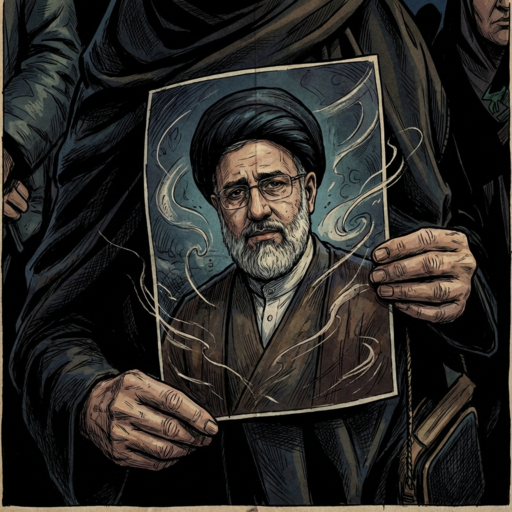
Iran's clerical leadership appointed Mojtaba Khamenei, the 56-year-old son of the late Supreme Leader Ali Khamenei, as the country's new Supreme Leader on March 8-9, 2026. The appointment came nine days after his father's death on February 28 in US-Israeli strikes that also killed Mojtaba's wife, mother, and other family members. The Assembly of Experts, Iran's clerical body responsible for selecting the supreme leader, made the decision in what regional officials describe as a direct rebuke to US President Donald Trump, who had previously declared Mojtaba 'unacceptable' as a successor.
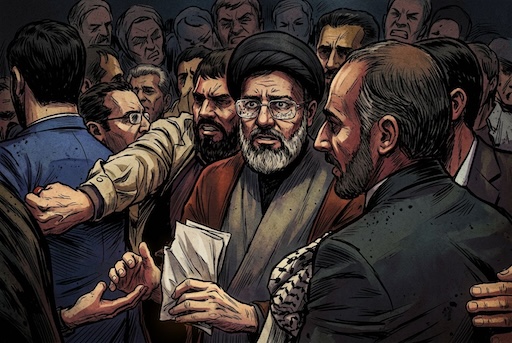
Mojtaba Khamenei, who held no formal government position during his father's decades in power, is known to be significantly more hardline than his father and has close ties to the Islamic Revolutionary Guard Corps (IRGC). The IRGC quickly pledged allegiance following his appointment. Analysts describe Mojtaba as having wielded significant influence behind the scenes within Iran's political and security establishment, and he was sanctioned by the US Treasury in 2019 for representing the supreme leader in an official capacity despite lacking elected office.
The appointment triggered immediate market reactions, with oil prices surging dramatically. Brent crude rose above $118 per barrel and West Texas Intermediate (WTI) jumped nearly 30% from Friday's close of $90.90, reaching session highs of $119.50 and $119.48 respectively. These price movements represent some of the most dramatic single-day gains in crude oil history, driven by supply disruptions including Iran's closure of the Strait of Hormuz and attacks on major refining and LNG facilities in the region.
Israel issued a stark warning to the new supreme leader, stating 'the hand of the State of Israel will continue to follow any successor.' The geopolitical implications prompted urgent governmental responses, with Group of Seven finance ministers discussing potential joint emergency oil reserve releases to limit economic fallout. Analysts predict prices could continue rising to $120-$130 per barrel if Iran maintains its Strait of Hormuz closure and continues attacking oil facilities.
Philippine news sources including GMA, ABS-CBN, Inquirer, and Philstar have not reported specifically on Mojtaba Khamenei's appointment as of early March 2026, though they have covered broader Middle East tensions and their impacts on the Philippines, including President Ferdinand 'Bongbong' Marcos Jr.'s assurances about oil supplies and warnings of potential fuel price hikes of P7-10 per liter if Dubai crude reaches $80 per barrel.
Join the discussion
What do you think? Drop your thoughts below.