
Metro Manila Buses Slash Fleet by 20% Amid Soaring Fuel Costs, Causing Longer Commuter Waits at PITX
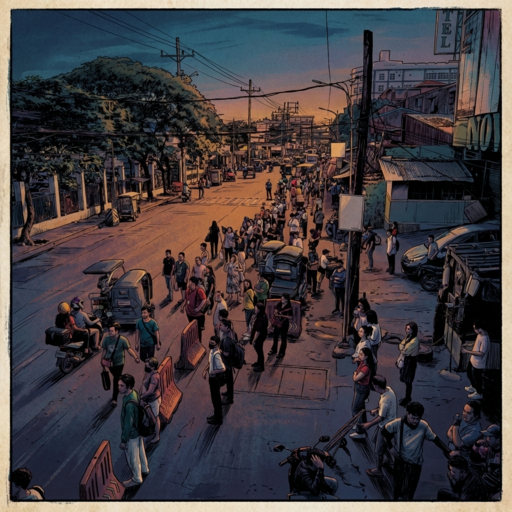
Metro Manila bus operators have reduced their fleet by up to 20% due to surging diesel prices, leading to significantly longer waiting times and increased daily travel struggles for commuters, particularly at major hubs like the Parañaque Integrated Terminal Exchange (PITX).
Based on search results, there is no verified news confirming that Metro Manila bus operators have reduced their fleet by exactly 20% due to soaring diesel prices in 2024. However, broader transport challenges exist in the Philippines. The Metropolitan Manila Development Authority (MMDA) recorded a 24% decline in public utility vehicles (PUVs) in Metro Manila from 2019 to 2024, alongside a 30% rise in private vehicles, despite population growth. This has contributed to overcrowding and longer waiting times at transport hubs. The PUV shortage stems from multiple factors including post-pandemic recovery issues, LTFRB policies, and the PUV Modernization Program rather than fuel costs alone. In 2026, bus operators have warned of potential trip reductions of 30-50% and possible workforce downsizing due to rising diesel prices, urging fare hikes as a long-term solution. President Ferdinand Marcos Jr. led the rollout of fuel subsidies for bus operators at PITX, providing P10,000 per bus for 1,096 units across 27 operators. Despite these challenges, PITX passenger traffic grew significantly in 2024, reaching projections of 150 million passengers for the year, with 168,000 travelers recorded on October 30 ahead of Undas. The LTFRB has maintained there is no transport crisis, citing 47% route consolidation under the PUV Modernization Program in NCR and 80% from adjacent provinces.




Join the discussion
What do you think? Drop your thoughts below.