Transport Strike Grips Metro Manila Amid Fuel Crisis; Manibela Demands P10K Aid, Commuters Stranded, Courts Suspended
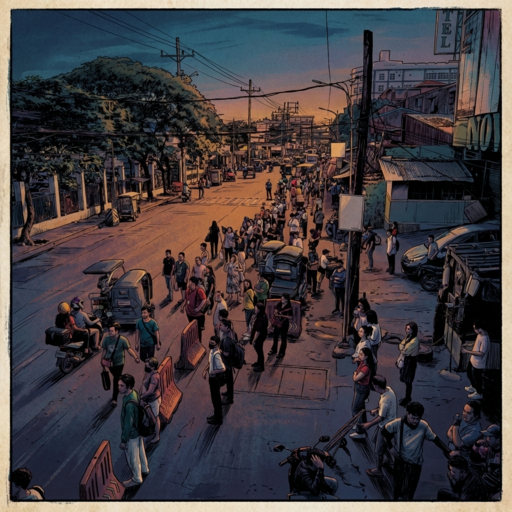
A two-day nationwide transport strike by groups like MANIBELA has left many commuters stranded across Metro Manila. The strike, protesting rising fuel prices, saw the Supreme Court suspend court operations in NCR and the House launching free rides as a temporary measure. MANIBELA is demanding a P10,000 monthly cash aid for PUV drivers, citing the inadequacy of the current P5,000 one-time payout. This issue highlights the severe economic strain on drivers, exemplified by a driver's seizure during an aid distribution.
A nationwide two-day transport strike led by groups including Manibela and Piston began on March 26, 2026, paralyzing public transportation across Metro Manila amid a severe fuel crisis triggered by oil price surges linked to Middle East tensions. The strike has left thousands of commuters stranded, with reports of 45+ minute waits and no vehicles on dozens of routes in areas like Quezon City, Parañaque, Bulacan, and San Mateo. The strikers are demanding a P10,000 monthly financial aid package for drivers, fuel price rollbacks, repeal of oil deregulation laws, suspension of VAT and excise taxes on fuel, and fare increases. The strike has expanded to include a coalition of transport groups, urban poor organizations, progressive groups, and sectoral allies including Partido Lakas ng Masa and Kilusang Mayo Uno, organizing noise demonstrations, pickets, and marches from Quezon City to Manila.
The fuel crisis stems from oil prices hitting record highs due to Iran-U.S. tensions over the Strait of Hormuz, potential shortages in Asia-Pacific, and local factors like a weakening peso. Inflation is projected at 6.3-7.5% in March, with electricity rates expected to rise 16% in April. This follows a previous strike on March 19 that involved 70,000 participants, highlighting that drivers are earning only P200-300 daily. The economic strain on drivers was exemplified by a driver suffering a seizure during an aid distribution event.

In response to the transport paralysis, multiple universities including University of the Philippines (Diliman and Manila), Polytechnic University of the Philippines, University of Sto. Tomas, and Adamson University have shifted to remote, asynchronous, or flexible learning on March 26-27. The Supreme Court suspended court operations in the National Capital Region, while the House of Representatives launched free rides as a temporary measure. The government response includes President Ferdinand Marcos Jr. pushing for immediate fuel excise tax cuts, but strikers maintain their demands for more substantial relief measures.
The strike represents a broader coalition of sectoral groups joining transport workers in what organizers describe as 'everyone's fight' against the economic crisis. The situation highlights the severe economic strain on public utility vehicle drivers who face rising operational costs without adequate government support. Manibela specifically cites the inadequacy of the current P5,000 one-time payout compared to their demand for P10,000 monthly cash aid, arguing that the temporary measures fail to address the structural issues in the transportation sector and the broader economic challenges facing low-income Filipinos.


Join the discussion
What do you think? Drop your thoughts below.