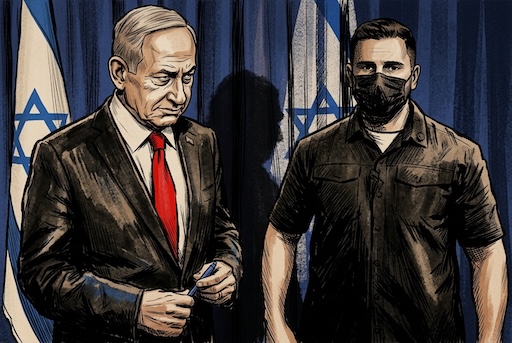
Middle East War Escalates: Iran Fires Missiles at Israel, Qatar's LNG Capacity Crippled, Global Energy Market in Crisis
The Middle East conflict intensifies as Iran launches missile strikes against Israel following Prime Minister Netanyahu's boast of war gains. This escalation has severely impacted global energy, with QatarEnergy reporting 17% of its LNG export capacity wiped out for up to five years, costing an estimated $20 billion and threatening supplies to Europe and Asia. Governments worldwide are scrambling to mitigate soaring energy costs amidst the conflict.
The Middle East conflict escalated dramatically in March 2026 with Iran launching missile strikes against Israel following Prime Minister Benjamin Netanyahu's public statements about war gains. This retaliation marked a significant expansion of hostilities beyond previous 2024 exchanges. The most critical development occurred on March 19, 2026, when Iranian strikes targeted Qatar's Ras Laffan LNG facility, the world's largest LNG hub, causing extensive damage that wiped out 17% of Qatar's LNG export capacity. QatarEnergy CEO Saad al-Kaabi confirmed the damage could take 3-5 years to repair, resulting in approximately $20 billion in annual revenue losses and potentially forcing Qatar to cancel long-term contracts with major buyers including China, Italy, Korea, and Belgium.
Key military developments included US-Israel strikes that killed Iran's Supreme Leader Ayatollah Khamenei, prompting Iranian retaliation with missiles and drones targeting US and Israeli sites across the UAE, Bahrain, Qatar, and Jordan. The UAE closed its airspace on March 17, 2026, and Iran's Pars gas field, which is shared with Qatar, was hit on March 18, marking the first energy infrastructure target in the conflict. The death toll exceeded 3,000 people as of March 17, 2026, with the Philippine Embassy in Israel issuing safety advisories for Filipinos against Hezbollah attacks and reporting two Filipinos arrested in the UAE for posting missile videos.
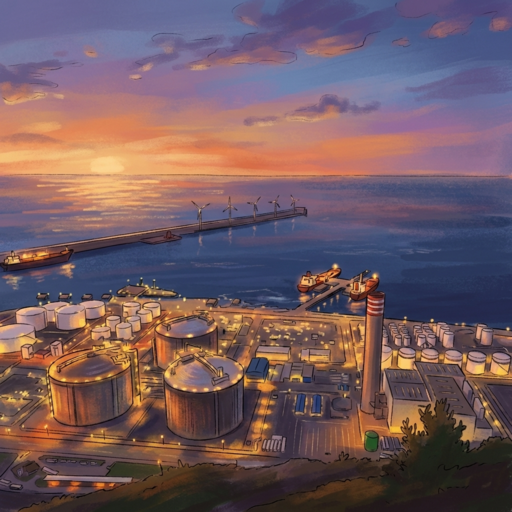

The global energy market entered crisis mode following the Ras Laffan attack, with Brent crude prices spiking over 10% to above $119 per barrel and European gas prices rising 35%. The Strait of Hormuz became nearly impassable due to Iranian military activity, threatening 40-50% of India's crude oil imports that normally transit through this chokepoint. Gas-importing economies like India, Pakistan, and Bangladesh faced risks of power shortages, industrial slowdowns, and higher electricity costs from prolonged LNG disruptions.
Diplomatically, the Philippines joined global calls for a ceasefire, with President Ferdinand Marcos Jr. emphasizing the country's peripheral involvement focused on OFW safety. The Department of National Defense and Armed Forces of the Philippines stated the conflict posed no direct threat to Philippine territory but acknowledged economic ripple effects through higher energy prices and supply chain disruptions. Philippine news outlets including GMA, ABS-CBN, Inquirer, and Philstar provided continuous coverage, with ANC's broadcasts highlighting the conflict's impact on Philippine economic resilience amid record-high oil prices and inflation pressures.

Join the discussion
What do you think? Drop your thoughts below.