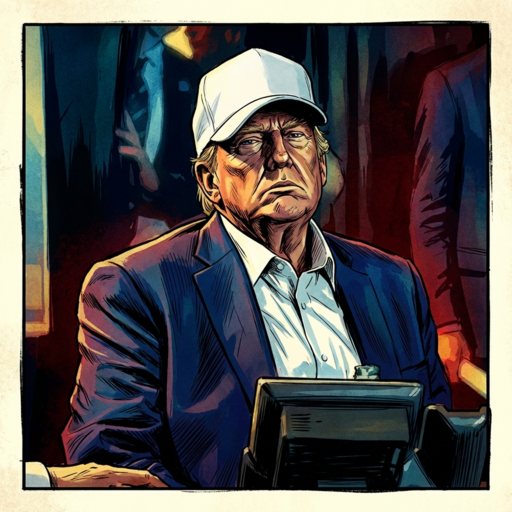
Trump tells Israel not to repeat strikes on Iranian energy as crisis deepens
Former President Donald Trump warned Israel against repeating attacks on Iranian natural gas infrastructure, as tit-for-tat strikes have caused global energy prices to spiral, further escalating the US-Israeli conflict with Iran.
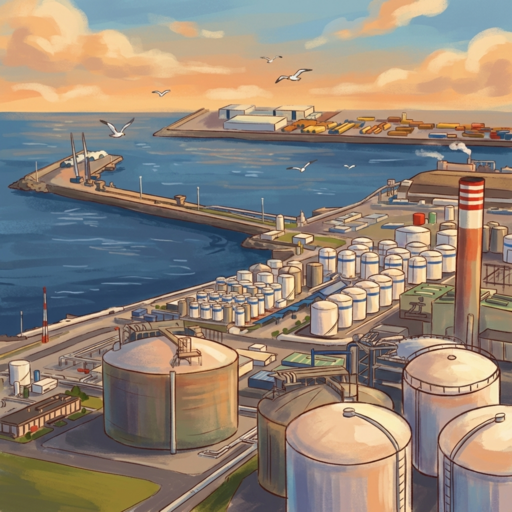
The crisis escalated in March 2026 when Israel independently struck Iran's South Pars natural gas field, damaging about 12% of two gas refineries and rendering them inoperable. This strike targeted part of the world's largest natural gas reserve shared with Qatar. Israeli Prime Minister Benjamin Netanyahu confirmed Israel acted alone, despite prior U.S. discussions advising against such action. In retaliation, Iran attacked Qatar's Ras Laffan LNG facility, causing extensive damage, along with other energy sites in Kuwait and Gulf states.
President Donald Trump responded on March 19, 2026, via Truth Social, distancing the U.S. from Israel's action and stating America "knew nothing" about the strike. He declared that "NO MORE ATTACKS WILL BE MADE BY ISRAEL" on South Pars unless Iran strikes Qatar again, threatening to "massively blow up the entirety of the South Pars Gas Field" with unprecedented force if Iran attacks Qatar. Trump's intervention marked a dramatic shift in strategy, with Israel holding off further attacks on South Pars at his request.
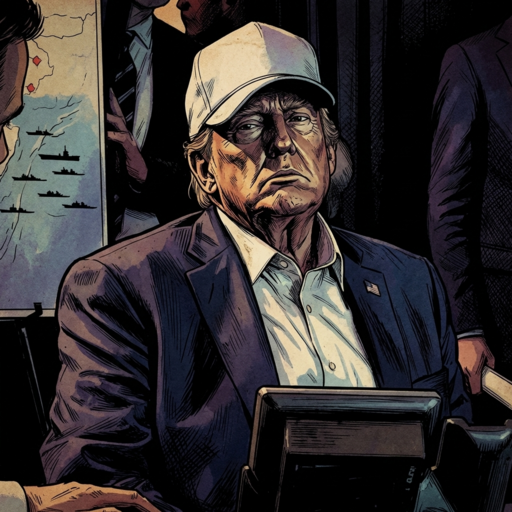
The conflict originated from Operation Epic Fury launched on February 28, 2026, when U.S. and Israeli forces targeted over 1,000 Iranian sites, killing Supreme Leader Ayatollah Khamenei. Trump had urged Iranians to overthrow their government and warned of prolonged operations lasting 4-5 weeks, while rejecting ceasefire talks. The Philippines government, while maintaining neutrality, activated contingency plans for 2.4 million overseas Filipino workers in the Middle East, with President Ferdinand Marcos Jr. ordering safety measures but ruling out immediate repatriation.
Global energy markets reacted sharply, with oil prices rising 5% due to fears of escalation into a broader "energy war" affecting the Strait of Hormuz. The Ras Laffan facility supplies nearly 20% of global LNG, raising concerns about energy security and price spikes. U.S. Defense Secretary Pete Hegseth announced the "largest strike package yet" against Iran for March 19, with Joint Chiefs Chairman Dan Caine confirming deeper strikes into Iranian territory. The crisis highlighted rare public tensions between the U.S. and Israel, with Saudi Crown Prince Mohammed bin Salman urging Trump to "see this through" amid ongoing regional volatility.
Join the discussion
What do you think? Drop your thoughts below.