Middle East War Escalates: Israel Strikes Iran, US Destroys Mine Boats, UAE Refinery Hit
The Middle East conflict intensifies with Israel's strikes on Tehran, US destruction of Iranian mine-laying vessels, and a drone strike shutting down UAE's Ruwais refinery, raising global tensions and economic concerns.
The Middle East conflict has escalated dramatically in March 2026 with coordinated US-Israeli strikes on Iran and retaliatory attacks across the region. On March 10, 2026, Israel and the United States conducted major strikes on Iran under 'Operation Epic Fury,' destroying the IRGC headquarters in Tehran and targeting over 1,000 Iranian sites across 24 provinces. US President Donald Trump announced these strikes, with US Central Command confirming the Tehran IRGC hit and reporting the sinking of nine Iranian naval ships. This followed the reported assassination of Iran's Supreme Leader Ayatollah Ali Khamenei, whose funeral was delayed due to security concerns.
Iran responded with massive retaliatory attacks under 'Operation True Promise 4,' launching multiple waves of missiles and drones targeting Israel, US bases in the Gulf, and allied countries. Iranian strikes hit sites in Jerusalem, Tel Aviv, and Beit Shemesh, killing at least nine people in Beit Shemesh alone. The attacks also targeted US facilities in Bahrain, Kuwait, and Abu Dhabi. Hezbollah broke its 2024 ceasefire, firing rockets at Haifa and northern Israel, prompting Israeli retaliation with large-scale strikes on Beirut's Dahiyeh suburbs that killed at least 10 people.

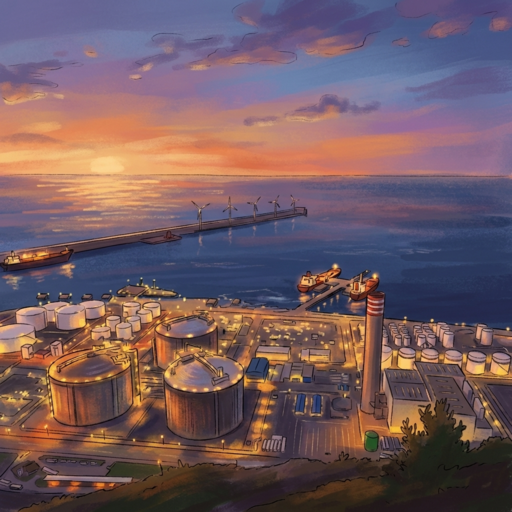
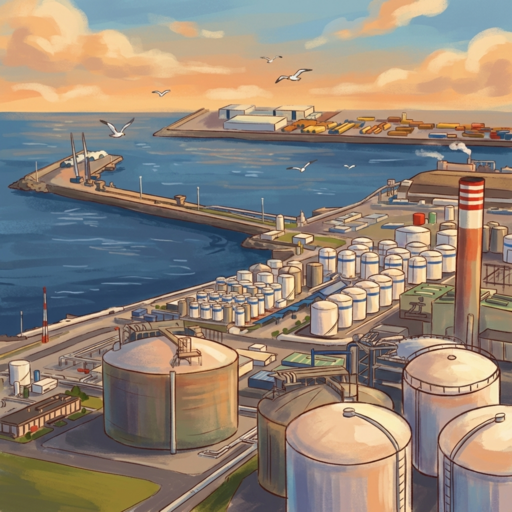
In a significant development on March 10, 2026, the United Arab Emirates temporarily halted operations at the Ruwais oil refinery, one of the world's largest with a capacity of 922,000 barrels per day, following a drone attack that sparked a fire in the industrial zone. The facility, operated by Abu Dhabi National Oil Company (ADNOC), was shut down as a precautionary measure. This attack is part of escalating regional strikes on energy infrastructure since the US-Iran war erupted on February 28, 2026, with previous attacks on Saudi Aramco's Ras Tanura, Bahrain's Sitra, and Kuwait's Mina Al-Ahmadi refineries.
The conflict has triggered major regional disruptions, with Middle East producers including Saudi Arabia, Iraq, UAE, and Kuwait cutting output by up to 6.7 million barrels per day. Saudi Aramco and ADNOC are rerouting exports to avoid the near-closed Strait of Hormuz. The International Energy Agency has called an emergency meeting due to global fuel shortage concerns. UAE air defenses have intercepted most of 262 ballistic missiles, 1,475 drones, and 8 cruise missiles since Iranian attacks began, with 6 deaths and 122 injuries reported in the UAE.
Diplomatic tensions remain high, with Iranian officials like Kamal Kharazi stating there is no room for diplomacy without external intervention. The US Senate rejected a bid to limit Trump's war powers in a 52-47 vote, while defense officials predict intensified US strikes. The conflict risks broader economic fallout, including oil disruptions in the Strait of Hormuz, and represents a significant escalation from earlier 2024 events that involved Iranian missile barrages on Israel in April and October of that year.

Join the discussion
What do you think? Drop your thoughts below.