Mideast war traps 20,000 seafarers, 15,000 cruise passengers in Gulf
The UN's International Maritime Organization reported that approximately 20,000 seafarers and 15,000 cruise passengers are currently stranded in the Gulf region due to the ongoing Middle East war.
The UN's International Maritime Organization (IMO) reported on March 5-6, 2026 that approximately 20,000 seafarers and 15,000 cruise passengers are stranded in the Gulf region due to the escalating Middle East conflict. IMO Secretary-General Arsenio Dominguez stated the agency is working with involved parties to ensure the safety of those affected, describing the situation as a humanitarian crisis. The crisis began on Saturday, March 1, 2026, when Iran's Revolutionary Guards claimed control over the strategically vital Strait of Hormuz, leading to attacks expanding to areas like Mubarak Al Kabeer near Kuwait.
Since hostilities began, there have been seven documented vessel incidents resulting in two fatalities and seven injuries. One significant attack targeted the Bahamas-flagged tanker Sonangol Namibe, causing an oil spill and flooding. The conflict has severely disrupted maritime traffic, with a 90% drop in oil tanker traffic through the region and delays of up to 4.2 days at major ports like Jebel Ali. Hundreds of ships, including oil tankers, LNG carriers, and cargo vessels, remain anchored off Gulf producers including Iraq, Saudi Arabia, and Qatar.
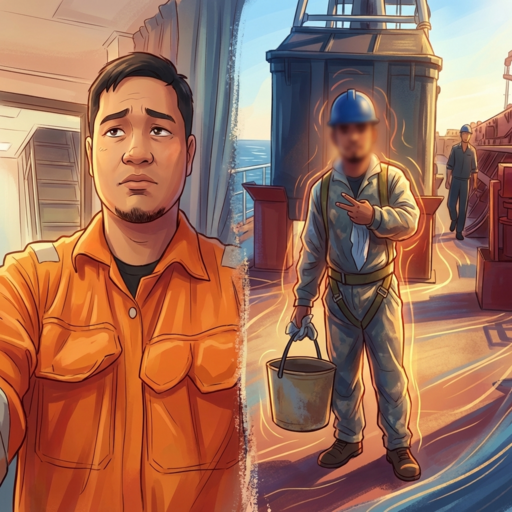
The shipping crisis has blocked approximately a fifth of global oil and LNG supply, forcing vessels to reroute via the Cape of Good Hope. Qatar declared force majeure on LNG exports after attacks on its facilities halted production for at least a month. At least 200 ships are currently anchored off Gulf producers, with hundreds more blocked outside the Strait of Hormuz. The Philippine Inquirer reported on March 6, 2026 that many of the stranded seafarers are likely Filipino given the country's significant representation in the global maritime industry.
In response to the crisis, US President Donald Trump announced that the US Navy would provide escorts for tankers and offer financial support for maritime trade. IMO Secretary-General Dominguez urged shipping companies to avoid the affected area entirely. The situation represents one of the most severe disruptions to global maritime trade in recent history, with immediate consequences for energy markets and international shipping logistics. The prolonged conflict could lead to increased shipping costs that may ultimately be passed on to consumers worldwide.
Join the discussion
What do you think? Drop your thoughts below.