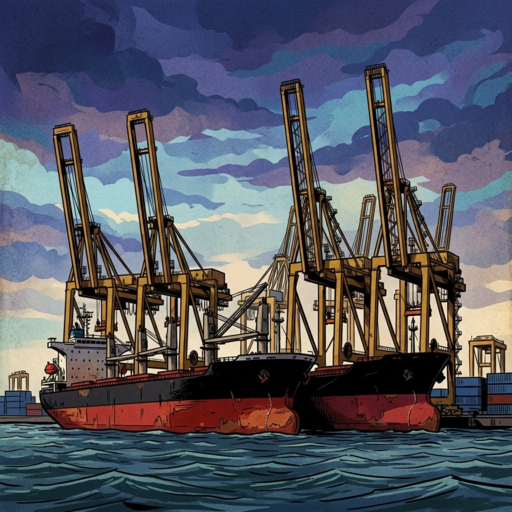
Oil price surges on Middle East conflict
Global oil prices, particularly Brent Crude, have surged past $80 per barrel in Asia due to the escalating Middle East conflict, threatening critical maritime oil routes and raising fears of widespread economic instability.
Global oil prices surged sharply in early March 2026 following escalating Middle East conflict involving US and Israeli strikes on Iran on February 28, 2026, which killed Supreme Leader Ali Khamenei and military commanders. Iranian retaliatory strikes targeted US and Israeli sites in the Gulf region, raising fears of potential closure of the critical Strait of Hormuz, which handles approximately 20% of global oil supply (20 million barrels per day). Brent crude oil prices rose 13% to $82 per barrel in early Asian trading, with analysts projecting further increases to $85–$90 per barrel, and potentially exceeding $100 if the Strait of Hormuz faces prolonged blockade.
In the Philippines, fuel prices have already increased significantly since January 2026, with gasoline up P4.80 per liter, diesel up P8.20 per liter, and kerosene up P6.20 per liter. The Department of Energy warned of additional hikes of up to P1.60 per liter in the first week of March due to the geopolitical tensions. Senator Sherwin Gatchalian expressed concern about the timing, noting that the conflict comes as the Philippines seeks to boost economic growth following 2025's 4.4% GDP performance, with oil and food price rises potentially impacting first-quarter growth.
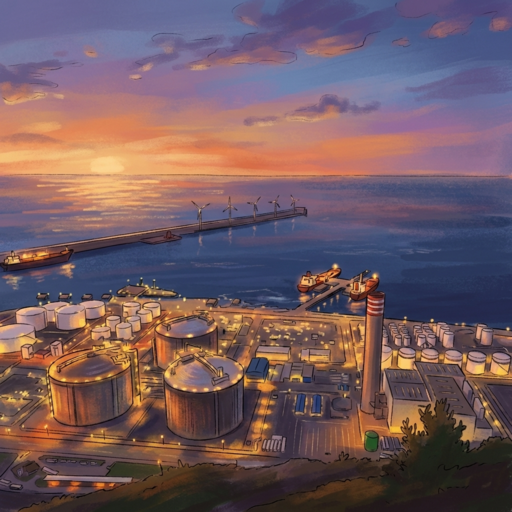

Philippine economic analysts warned of multiple consequences, including inflation potentially drifting closer to 4% if oil prices remain elevated, peso depreciation due to safe-haven dollar demand, and increased costs for MSMEs and consumers. RCBC Chief Economist Michael Ricafort noted that US-backed Israel's attacks on Iran could affect the peso-dollar exchange rate and create volatility in oil supply chains. Approximately 2.4 million overseas Filipino workers in the Middle East may require assistance if the conflict persists.
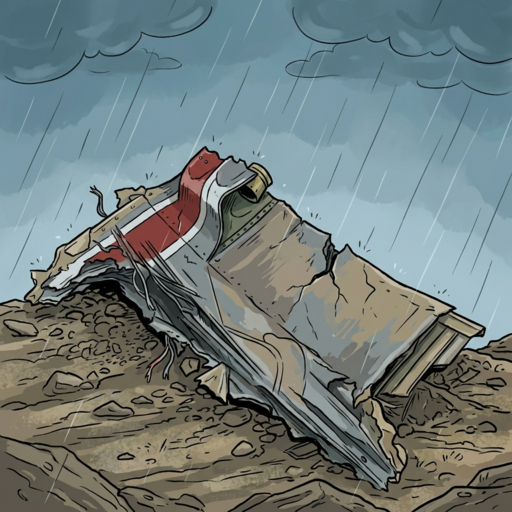
OPEC+ nations, including Saudi Arabia, Russia, Iraq, UAE, Kuwait, Kazakhstan, Algeria, and Oman, pledged a 206,000 barrels per day production boost for April and held emergency meetings to discuss tapping into their 3.5 million barrels per day spare capacity if needed. However, experts note limited relief if critical maritime routes remain blocked. The conflict has already damaged at least three tankers with missiles and drones, creating a de facto pause in the Strait of Hormuz without full closure yet, significantly increasing freight and insurance costs for oil shipments.

Join the discussion
What do you think? Drop your thoughts below.