Oil Prices Soar Past $100/Barrel Amid Middle East War; PH Motorists Brace for P22.30/Liter Hike
Global oil benchmarks (WTI, Brent) surged past $100/barrel as war in the Middle East disrupts supplies. Filipino motorists are projected to face major price increases of up to P22.30 per liter, with current prices being monitored across Metro Manila. Gulf states are slashing production, and oil tankers are stuck in the Gulf.
Philippine oil prices are forecasted to increase dramatically with diesel expected to rise by P19.30 to P22.30 per liter and gasoline by P14 to P17 per liter starting March 17, 2026, according to industry sources cited by the Philippine Inquirer. This follows the largest weekly pump price increases in Philippine history, with rises up to P38.50 per liter last week, prompting fuel companies to implement staggered hikes over two to seven phases as recommended by the Department of Energy (DOE). The crisis stems from global oil prices surpassing $100 per barrel due to Iran's closure of the Strait of Hormuz and escalating Middle East conflict, which has disrupted oil supplies and shipping routes.
Current fuel prices in Metro Manila and other regions have already reached alarming levels, with diesel prices in North Luzon exceeding P70-P80 per liter and premium diesel reaching P94.65 per liter as of March 15, 2026. The Philippine peso has weakened to historic lows near 57.35 per US dollar, exacerbating import costs for the oil-dependent country. Industry sources report diminishing diesel and gasoline availability as the supply crisis deepens.
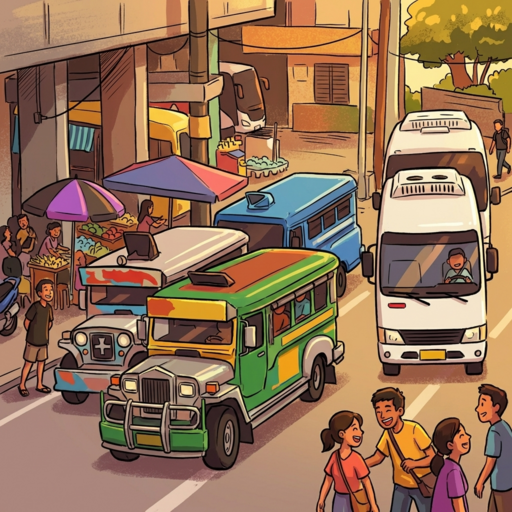
Government responses include President Ferdinand R. Marcos Jr. announcing measures to cushion the impact of fuel price increases, including considering excise tax suspension. The DOE is coordinating with the Department of Interior and Local Government (DILG) and Philippine National Police (PNP) to monitor hoarding and profiteering, particularly in Luzon and Mindanao. Fuel subsidies have been allocated for public transport, farmers, and fisherfolk, with free bus rides offered to mitigate the economic impact.
The Bangko Sentral ng Pilipinas (BSP) faces inflationary pressures, with sustained oil prices above $100 per barrel potentially pushing inflation above 4% in 2026-2027 and pressuring the USD/PHP exchange rate above 60. Economic analysts estimate that every $10 per barrel increase in oil prices raises the Philippines' current account deficit by 0.4-0.5% of GDP. Motorists face ongoing pressure with no immediate relief in sight, as prior price hikes compound the current crisis, creating one of the most severe fuel price shocks in Philippine history.

Join the discussion
What do you think? Drop your thoughts below.