
PBBM orders interagency coordination to address impact of ME conflict on OFWs and economy
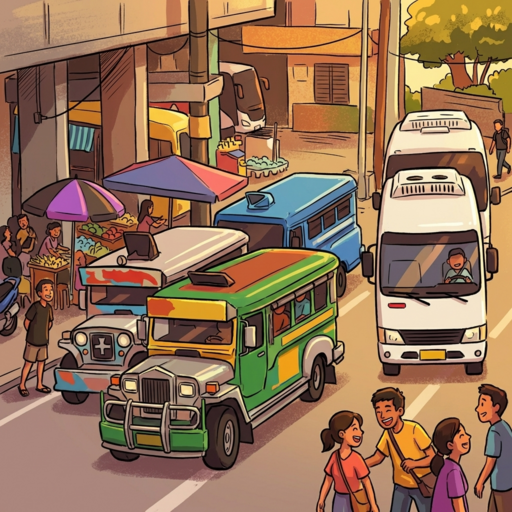
President Ferdinand R. Marcos Jr. has instructed key government agencies to ensure the welfare and protection of overseas Filipinos amidst escalating Middle East tensions. The Department of Migrant Workers (DMW) confirms readiness for a mass repatriation of over two million OFWs if necessary, although no order has been issued yet. The Commission on Filipinos Overseas (CFO) assures that Philippine Schools Overseas remain safe, with some shifting to online classes. Furthermore, preparations are underway for fuel subsidies for public utility vehicle operators and drivers to mitigate the impact of looming oil price hikes caused by the conflict.
President Ferdinand 'Bongbong' Marcos Jr. (PBBM) has ordered comprehensive interagency coordination among key Philippine government agencies to address the impact of escalating Middle East conflict on overseas Filipino workers (OFWs) and the domestic economy. The directive, issued in early March 2026 amid rising tensions following US and Israeli airstrikes on Iran's military assets, prioritizes OFW safety, repatriation support, connectivity, health services, and economic mitigation measures. On March 2, 2026, Department of Migrant Workers (DMW) Secretary Hans Leo Cacdac reported that Marcos instructed agencies including the Department of Health (DOH), Department of Information and Communications Technology (DICT), Department of Social Welfare and Development (DSWD), and Department of Trade and Industry (DTI) to collaborate on specific actions including DOH-led medical responses, DICT directives for free connectivity to OFW families, DSWD assistance for returning Filipinos, and DTI reintegration programs.
The Philippine government has not ordered mass repatriation of the more than 1.113 million land-based OFWs in the Middle East as of March 2026, though it is preparing for large-scale evacuation if the conflict escalates further. More than 80 OFWs in the United Arab Emirates and 52 Filipinos in Israel have requested voluntary repatriation, but mass repatriation would only commence if the Department of Foreign Affairs elevates alert status to Level 4. The government has C-130 transport aircraft from the Armed Forces of the Philippines available for evacuation, with pre-designated meeting points and exit strategies for each affected country. Airspace over the UAE remains closed, preventing immediate repatriation efforts, with 45 flights between the Philippines and Middle East canceled or rerouted since Iran's attacks on February 28.

On March 1, 2026, President Marcos confirmed the first Filipino fatality in the conflict—a female OFW caregiver named Ann Velquez in Israel who died during Iran's retaliatory strikes. The President vowed full government aid to her family. The Commission on Filipinos Overseas (CFO) Secretary Dante 'Klink' Ang II confirmed that all 35 Philippine Schools Overseas (PSOs) in the Middle East remain safe and continue operating normally, with some institutions shifting to online classes following host nation directives. These schools serve approximately 25,000 learners and employ around 1,000 teachers across 11 countries.
Economic mitigation measures include the Energy Department holding emergency meetings with oil companies to assess potential fuel price impacts, with preparations underway for fuel subsidies for public utility vehicle operators and drivers. The Department of Education (DepEd) announced readiness to support Filipino teachers in the Middle East through the Sa Pinas, Ikam ang Ma'am at Sir (Spims) Program, offering qualified LET passers permanent Teacher I positions in the public school system. The situation remains fluid with ongoing monitoring and interagency coordination between the Office of the President, DFA, DMW, and other agencies, with embassies on heightened alert and contingency repatriation plans in place but no mandatory evacuations ordered.


Join the discussion
What do you think? Drop your thoughts below.