Protest over fuel hike erupts in Quezon City
Naglunsad ng protesta ang mga rural group sa Quezon City laban sa panibagong pagtaas ng presyo ng gasolina, nananawagan sa gobyerno na suspindihin ang buwis sa krudo.
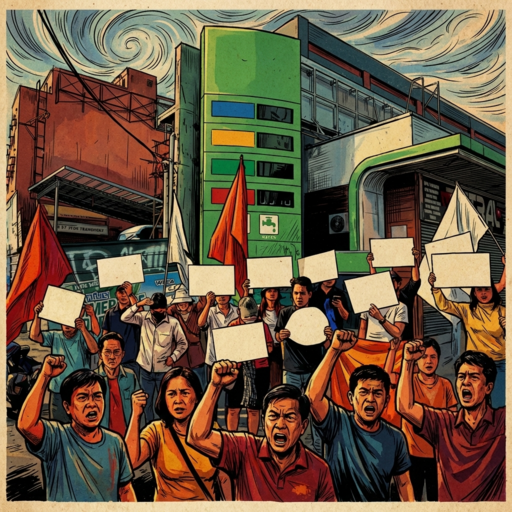
On March 9, 2026, members of the transport group PISTON (Pagkakaisa ng mga Tsuper at Operator Nationwide) staged a protest action in front of a Petron gas station along East Avenue in Quezon City. The protest was organized in response to an impending major oil price hike linked to the Middle East crisis, with protesters demanding the removal of Value-Added Tax (VAT) and excise taxes on fuel products. The demonstration disrupted traffic on the busy East Avenue and drew attention from commuters and motorists.
The protest occurred against the backdrop of panic buying that had already begun on March 8, with gas stations in Quezon City running low on fuel and long queues reported along Commonwealth Avenue. Protesters carried placards and banners with messages like "WELGA" (strike) and called for drivers, operators, taxi drivers, TNVS, tricycle drivers, and bus drivers to join their cause. PISTON highlighted relentless fuel price increases since January and warned of a potential nationwide transport strike if the government failed to address their demands.
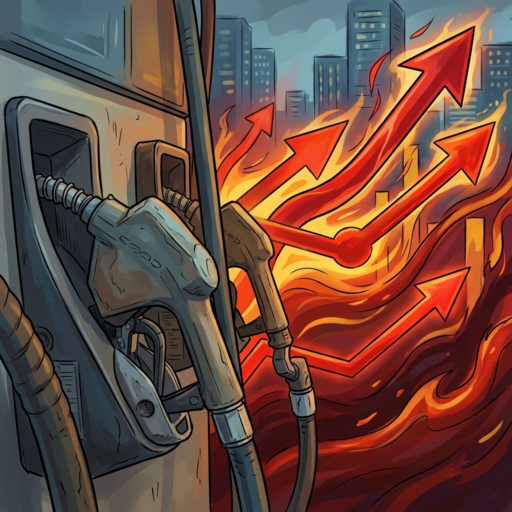
While the initial summary mentioned rural groups protesting in Quezon City, search results specifically document the PISTON transport group protest rather than farmer-led demonstrations. However, a related report from March 3, 2026, noted that peasants and workers had protested new fuel price hikes, accusing oil companies of exploiting the Middle East conflict to justify higher pump prices. The transport protest was part of broader nationwide concerns about fuel affordability affecting various sectors including agriculture and transportation.
No official government statements responding specifically to the March 9 protest were found in the search results, though Energy Secretary Sharon Garin had recently warned gas stations against price abuse amid regional tensions. The protest represented growing public frustration with rising fuel costs and their impact on transportation, agriculture, and daily living expenses in the Philippines.

Join the discussion
What do you think? Drop your thoughts below.