
Stocks retreat, oil surges on fears of prolonged Iran war
Global markets reacted sharply as oil prices jumped, with Brent crude surpassing $100 a barrel for the first time since August 2022, and West Texas Intermediate climbing to $95.73. Stocks retreated amid escalating fears of a prolonged conflict in the Middle East, fueled by Iran's vows of retaliation against US and Israeli strikes, which have brought trade through the Strait of Hormuz to a virtual standstill.
Global markets experienced significant volatility in early October 2024 as oil prices surged and stocks retreated amid escalating Middle East tensions. The conflict intensified on October 2, 2024, when Iran fired nearly 200 missiles into Israel, marking a major escalation in hostilities. This attack prompted fears of a wider regional war that could involve major oil producers, particularly Iran as the world's 7th largest oil producer. Brent crude oil surpassed $100 per barrel for the first time since August 2022, while West Texas Intermediate climbed to $95.73, reflecting market concerns about potential supply disruptions.
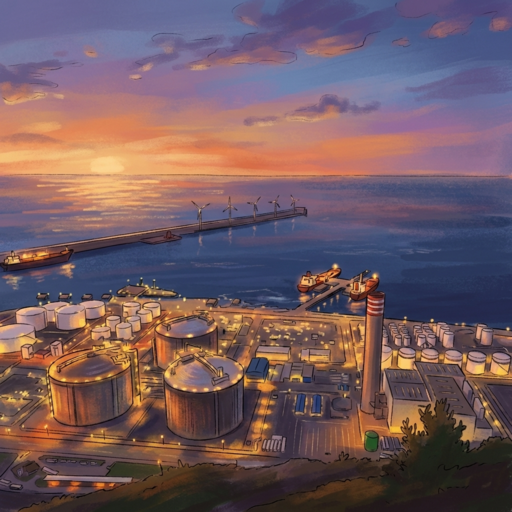
The situation was further complicated by Iran's vows of retaliation against US and Israeli strikes, which raised concerns about the security of critical shipping routes. The Strait of Hormuz, a vital passage handling approximately 25% of global seaborne oil trade and significant LNG shipments, faced disruptions that brought trade through this crucial chokepoint to a virtual standstill. Prior to these disruptions, roughly 20 million barrels per day of oil and 330 million cubic meters of daily LNG passed through the strait, with 84% of oil and 83% of LNG shipments destined for Asian markets including China and India.

Stock markets retreated sharply in response to the geopolitical tensions and rising energy prices. Wall Street experienced its worst week since October, with the S&P 500 dropping 1.3%, the Dow Jones Industrial Average falling between 453-945 points (0.9%), and the Nasdaq declining 1.6%. These losses were compounded by negative U.S. payroll data and concerns about oil-driven inflation, creating stagflation risks that limited Federal Reserve policy options. The combination of weak economic growth indicators and rising inflation pressures created a challenging environment for global markets.
While Israel's response targeted Iranian missile production and air defense sites while avoiding oilfields, which temporarily eased immediate supply disruption fears, the sustained tensions continued to impact energy markets. The situation highlighted the vulnerability of global energy supplies to Middle East conflicts, with experts drawing parallels to the 2022 Russia-Ukraine oil crisis when gasoline prices reached $5 per gallon and inflation peaked at 9%. The economic implications extended beyond oil to include risks to global fertilizer trade (16 million tonnes annually) and potential food price increases, particularly affecting debt-burdened developing economies.


Join the discussion
What do you think? Drop your thoughts below.