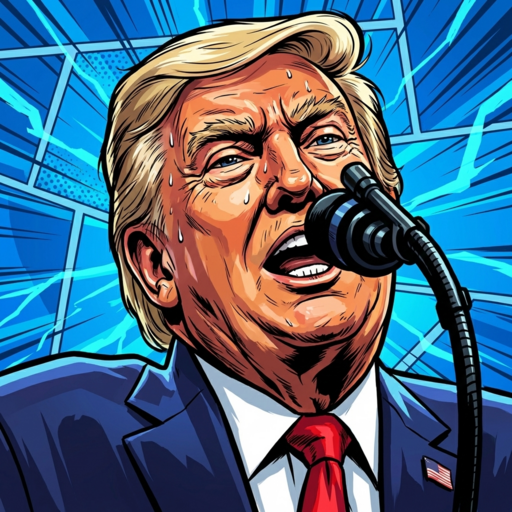
Trump says war against Iran is 'very complete,' CBS News reports
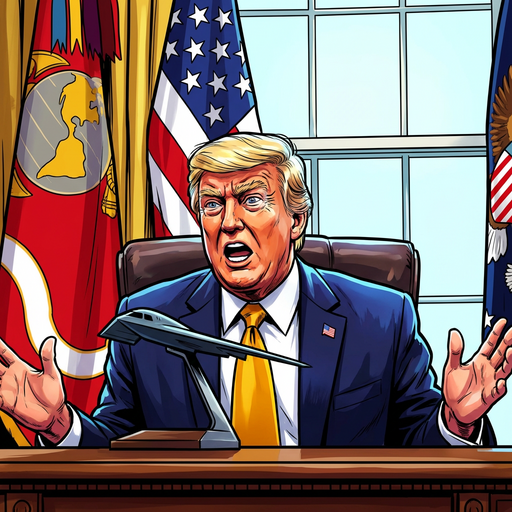
U.S. President Donald Trump has declared the war against Iran "very complete" and ahead of schedule, with his comments suggesting the conflict could end "very soon." These statements led to a significant rally in US stock markets, which closed higher after the announcement.
On March 9, 2026, during the 10th day of the U.S.-Israeli military campaign against Iran, President Donald Trump told CBS News that he believes the war is "very complete, pretty much" and "very far ahead of schedule." Trump claimed that Iran has been largely defeated militarily, stating "they have no Navy, no communications, they've got no Air Force. Their missiles are down to a scatter. Their drones are being blown up all over the place." The conflict began on February 28, 2026, with Operation Epic Fury, a joint U.S.-Israel military campaign authorized by Trump to eliminate Iran's nuclear threat and destroy its ballistic missile arsenal.
Despite Trump's optimistic assessment, the war has had significant global economic consequences. Benchmark oil prices briefly surged past $100 per barrel for the first time since 2022, causing fuel price spikes worldwide. In the Philippines, Malacanang ordered oil firms to explain sudden fuel price increases, while Trump dismissed the oil price spike as "a small price to pay" to eliminate Iran's nuclear threat. The Philippine Department of Migrant Workers declared the Persian Gulf and Strait of Hormuz as a "War Risk Operations Area," advising Filipino seafarers to avoid the region due to safety concerns for approximately 2.4 million Filipinos working in the Middle East.
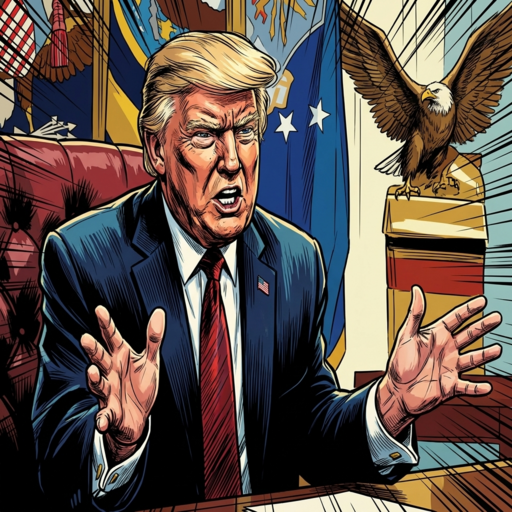
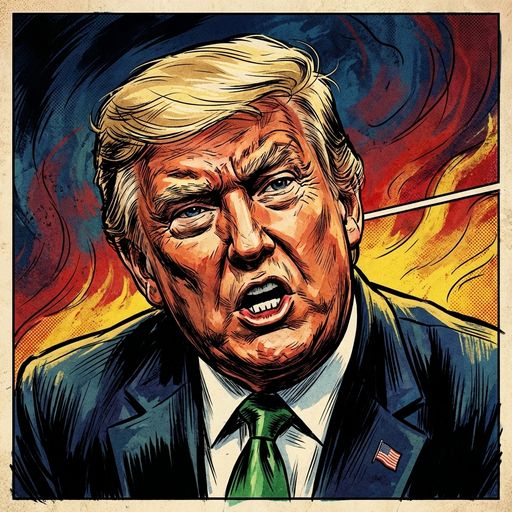
The conflict has raised regional security concerns in Southeast Asia. U.S. Senator Tammy Duckworth warned that Trump's Iran military actions are "diminishing the United States' ability to deter Chinese aggression in the South China Sea," with implications for over 750,000 Americans in the Philippines. Philippine defense officials maintained that "there is currently no credible threat to Philippine territory" from the conflict, citing Iran's distance and lack of proxy forces in Southeast Asia.
Domestically in the Philippines, anti-war protests occurred at the U.S. Embassy in Manila, where demonstrators questioned whether Iran posed an "imminent threat" and expressed concerns about the Philippines' vulnerability due to U.S. troop presence in Philippine military bases. The conflict has also impacted U.S.-Philippine military cooperation, with more than 500 joint military activities planned between the two countries for 2026, the most in the alliance's history. At least one Filipino national was reported killed in Israeli strikes attributed to Iranian retaliation.
Join the discussion
What do you think? Drop your thoughts below.