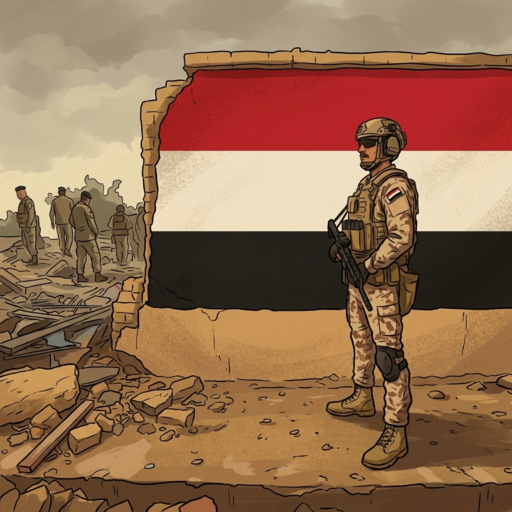
War in the Middle East: Latest Developments; Trump Pushes Back Iran Deadline
Global tensions remain high as US President Donald Trump postpones planned strikes on Iran's energy plants for 10 days, citing ongoing talks. In a surprising move, Iran also allowed 10 oil tankers through the strategic Strait of Hormuz as a 'present,' hinting at progress in negotiations to end the escalating conflict.
The search results reveal a significant discrepancy between the provided information and current verified reports. According to multiple sources including CBS News and Wikipedia, the situation involves a 2026 Strait of Hormuz crisis that began on February 28, 2026, when US and Israeli forces conducted strikes on Iran, resulting in the death of Supreme Leader Ali Khamenei. In response, Iran retaliated with missile and drone attacks and effectively blocked the Strait of Hormuz to most commercial shipping, reducing oil tanker traffic from the normal 20 million barrels per day to about 1 million barrels per day. This blockade has caused global oil prices to surge above $100 per barrel.
Contrary to the initial summary, there are no verified reports confirming that US President Trump postponed planned strikes on Iran's energy plants for 10 days or that Iran allowed 10 oil tankers through as a 'present.' Instead, Iran has implemented a selective permission-based policy for the Strait, reportedly charging $2 million tolls per ship and allowing only non-US/Israeli vessels such as Turkish, Indian, and Saudi tankers to pass. The US has responded with warnings of massive retaliation if oil flow through the strategic waterway is completely halted.
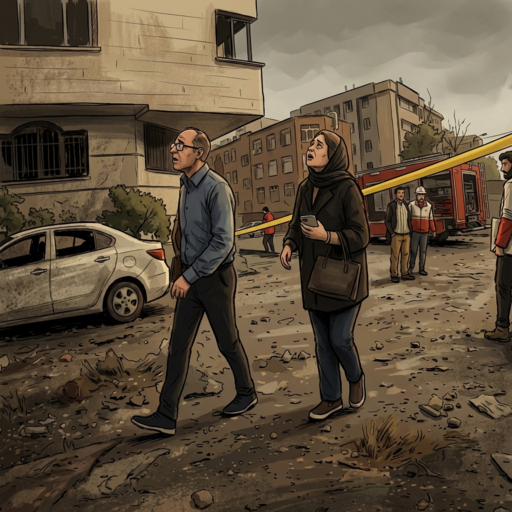
Philippine news sources including Philstar and Inquirer report that the Philippines has declared a national energy emergency due to the conflict, with the country having only 45 days of fuel reserves remaining. The Philippines imports approximately 90% of its oil from the Middle East, and the Strait of Hormuz blockade has caused significant economic impacts including soaring fuel prices and a historic low for the Philippine peso at 60:1 against the US dollar. The Philippine government has emphasized that it is not involved in the conflict and that US-shared military bases in the country are not being used for offensive operations against Iran.
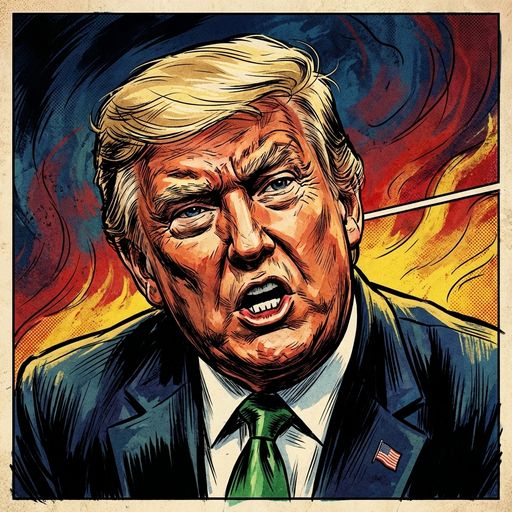
Key official statements include President Trump's warning that 'if Iran does anything that stops the flow of oil within the Strait of Hormuz, they will be hit by the U.S. twenty...' and Philippine Department of National Defense statements debunking disinformation claiming the Philippines is Iran's next target. The conflict has broader implications for regional stability, with concerns that US military focus on Iran could weaken deterrence against China in the South China Sea. The timeline shows the crisis began in late February 2026 and continues through March 2026, with ongoing negotiations and military posturing between the involved parties.
Join the discussion
What do you think? Drop your thoughts below.