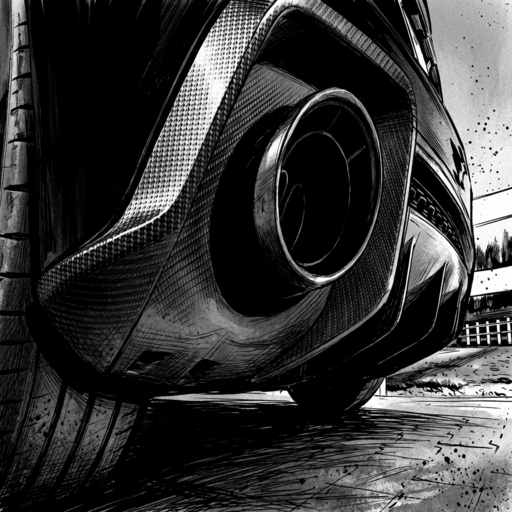
What’s a modified muffler and why is it illegal?
Authorities, particularly the LTO-7 in Cebu City, have intensified operations against vehicles with modified mufflers, impounding 21 motorcycles. This comes amid ongoing debates among Filipino motorists about mufflers. The article explains what a modified muffler is and why its use is illegal in the Philippines.
On February 23, 2026, the Land Transportation Office (LTO) Region 7 in Cebu City launched an intensified crackdown on vehicles with illegal modified mufflers, impounding 21 motorcycles during the initial operations. This enforcement action followed numerous public complaints about excessive noise pollution from modified exhaust systems on public roads. The crackdown was initiated in compliance with a directive from LTO Chief Assistant Secretary Markus Lacanilao via Memorandum MVL-2026-025, which enforces Section 34 of Republic Act No. 4136 (Land Transportation and Traffic Code) and Section 5.2.7 of Department Order No. 2010-32, both prohibiting muffler alterations.
The operation targets all non-compliant motor vehicles and motorcycles across Central Visayas region. Modified mufflers are defined as any alteration made to a vehicle's original exhaust system that deviates from manufacturer specifications, typically resulting in excessive noise levels between 97-120 decibels, far exceeding the national standard of 99 decibels maximum. These modifications violate noise pollution regulations that set residential standards at 60 decibels during daytime and 50 decibels at night.

Penalties for violators include a minimum fine of P5,000, vehicle impoundment, and mandatory exhaust replacement at the impound site before vehicles can be reclaimed. LTO-7 officials emphasized that modified mufflers create serious health and safety hazards by distracting drivers and impairing attention, while also causing environmental concerns due to increased harmful emissions. The agency warned against social media misinformation from vloggers promoting modifications, stressing that only official sources provide reliable guidance.
The intensified enforcement represents a 'zero-tolerance' policy adopted starting in 2026, with LTO and local government units escalating penalties to address the growing problem. The crackdown aims to reduce noise pollution, ensure road safety, and address public nuisance complaints that have been increasing across urban areas in the Philippines. Ongoing operations continue throughout Central Visayas as authorities work to enforce compliance with national vehicle standards and regulations.


Join the discussion
What do you think? Drop your thoughts below.