Energy prices soar on Iran war fallout, stocks mostly fall as Gulf crisis intensifies
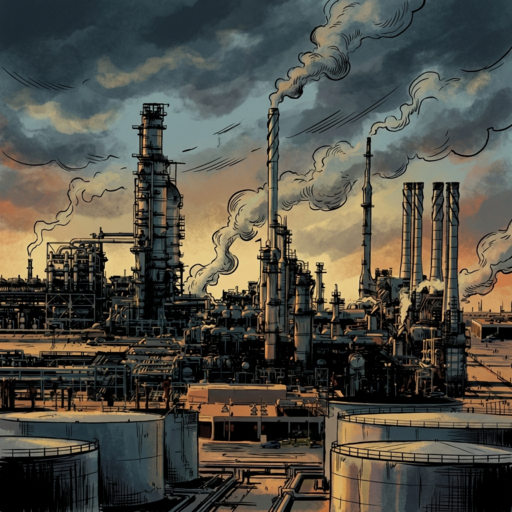
The escalating Middle East conflict has sent global financial markets into a tailspin, with oil and gas prices soaring dramatically and stock markets mostly retreating. European natural gas prices surged over 39% after Qatar halted LNG production following Iranian attacks on its gas facilities, including Qatar downing two Iranian Sukhoi Su-24 bombers. World crude futures jumped more than six percent as the vital Strait of Hormuz, a conduit for 20% of global seaborne oil, is effectively shut down due to the raging war and a fuel tanker being ablaze after a drone strike.
The escalating conflict between Iran and Israel has triggered a major energy crisis in early March 2026, with QatarEnergy confirming on March 2, 2026, that it has ceased LNG production due to Iranian military attacks on its facilities. This shutdown disrupts approximately 20% of global LNG supply, causing European wholesale gas prices to surge 52% - the largest jump since Russia's 2022 invasion of Ukraine. The Strait of Hormuz, a critical chokepoint for 20% of global LNG trade and significant oil shipments, faces severe disruption threats, though not completely closed as of latest reports.
Crude oil prices have surged 25% since the start of 2026, with a 6% spike on March 2 alone as the U.S. and Israel launched military strikes against Iran. Prices rose from $67 to $71 per barrel, with analysts warning they could exceed $100 per barrel if the Strait of Hormuz remains closed beyond the end of the week. Gasoline prices are expected to reach $3 per gallon for the first time this year as seasonal factors compound geopolitical pressures.


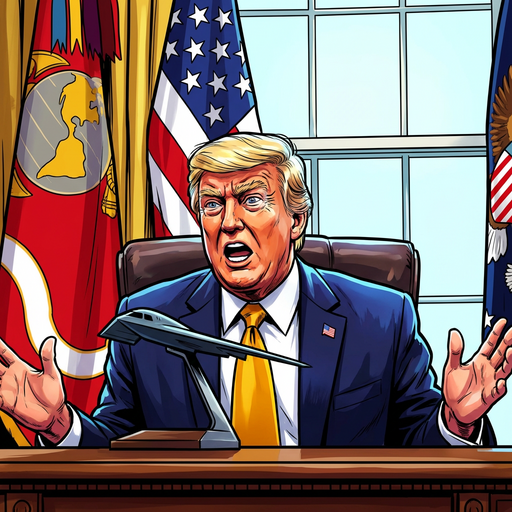
The conflict's timeline shows tensions escalating from February 27 through March 1, with President Trump indicating on March 2 that major operations against Iran have not yet commenced and the campaign could last approximately four weeks. Geopolitical strategists assess this 2026 war is larger and more intense than the previous 2025 conflict, with an expected duration of one to three weeks, potentially extending to two months.
Key consequences include major challenges for Asian LNG buyers like India, Japan, China, and South Korea, which imported heavily from Qatar in 2024. The Philippines, reliant on LNG imports through contracts with Shell and Meralco, faces potential power rate hikes of 0.50-1.00 PHP/kWh if disruptions persist. Qatar's economy, heavily gas-reliant, faces setbacks to its plan to double LNG output to 160 million tonnes by 2030. While U.S. LNG export growth offers long-term relief, there are no immediate replacements as U.S. and other facilities operate at full capacity.

Join the discussion
What do you think? Drop your thoughts below.